
Lieferung heute & morgen

Qualitätsgarantie

Willkommens-Angebote freischalten: KOSTENLOSE Lieferung | Bis zu 80 % RABATT | Kostenlose 30-Tage-JoyPlus-Testphase
App herunterladen
A facial cleanser is part of many people’s daily skincare routine. Even so, choosing the right one is not always easy: cleansing foam, gel, cleansing oil and cleansing balm differ considerably in how they are used, their ingredients and the way they feel on the skin. A high price or terms such as “Deep Cleansing” alone say little about whether a product suits your individual needs.
A strongly foaming facial cleanser can feel particularly thorough. However, a product that cleanses too intensely may leave dry or sensitive skin feeling tight. What matters is the surfactant system, how often the product is used and your individual skin tolerance – not simply how much foam it produces.
Products described as pore cleansers for the face can remove dirt, excess sebum or make-up residue. However, they do not permanently change the visible size of pores. Shoppers should therefore look for specific information such as BHA, salicylic acid or pH values, rather than assuming permanent cosmetic results.
Plant extracts, essential oils and fragrances may feel pleasant for some people, but not every skin type tolerates them equally well. A Korean facial cleanser or Japanese facial cleanser is not automatically suitable for sensitive skin either. The complete INCI list on the packaging remains the most important reference.
A low-pH facial cleanser is marketed as having a mildly acidic pH range. However, the exact pH value is not stated for every product. If this parameter matters to you, check the manufacturer’s information and monitor how your skin reacts.
The surfactant base is also important. Amino-acid-based or gentle surfactants may behave differently from more intensely degreasing cleansing agents. “Sulphate-free” is not proof of good tolerance on its own; the entire formulation is what determines this.
The fill volume affects the actual cost per use. A 20 or 25 ml format is practical for travel or trying a product for the first time, while 150 ml or more is designed for regular use. For facial cleansing foam, a small amount is often enough when lathered with water. Cleansing oil and balm, on the other hand, are generally applied to dry skin and then emulsified with water.
When using active ingredients such as salicylic acid or BHA, do not automatically cleanse both morning and evening. Start according to the product instructions and stop using it if irritation occurs. Cosmetic products are not a substitute for dermatological advice.
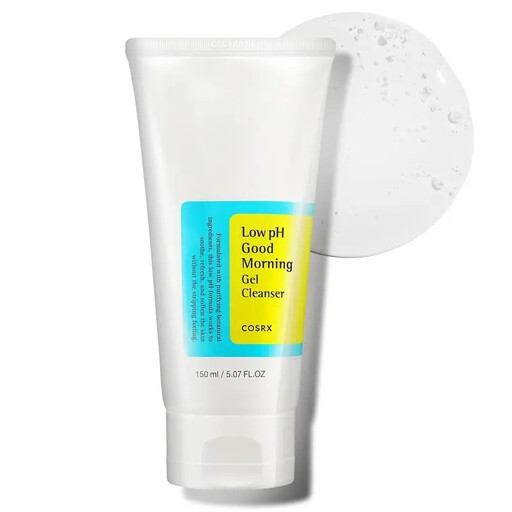
Why this product suits the profile: According to the product information, this 150 ml gel is used morning and evening and transforms into a foam when mixed with water. Its mildly acidic pH range is of interest to shoppers specifically looking for a low-pH facial cleanser.
The product description highlights its pH approach and lightweight gel texture instead of relying solely on “deep cleansing” claims. Nevertheless, those with sensitive skin should test it cautiously at first.
150 ml content, a gel-to-foam texture and betaine salicylate in the stated INCI list.
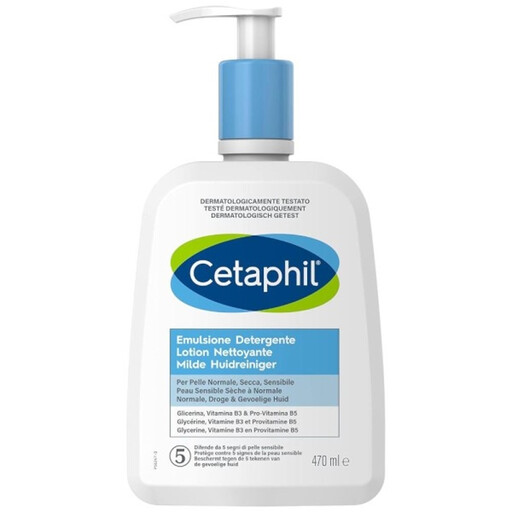
Why this product suits the profile: The large 470 ml bottle is designed for regular facial cleansing. According to the stated formulation, it contains ingredients including glycerin, panthenol and niacinamide.
The choice is based on the fill volume and declared INCI list, not blanket promises. According to the product information, it can be rinsed off or removed with a soft cloth.
470 ml content and a short, easy-to-understand ingredient list containing glycerin and panthenol.
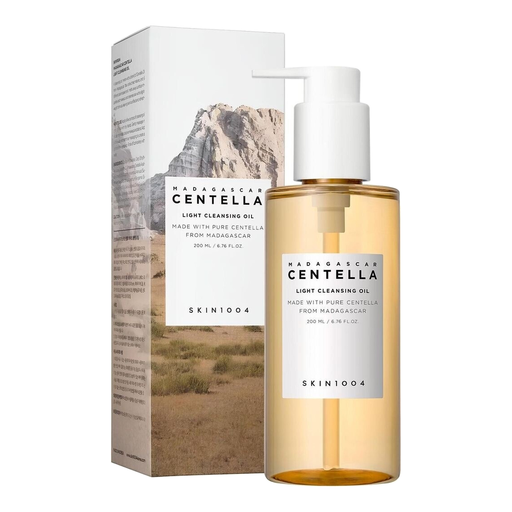
Why this product suits the profile: This facial cleansing oil is applied to dry skin and then emulsified with water. It is suitable for people who want to dissolve make-up or sun protection as the first step in a double-cleansing routine.
The instructions clearly describe the necessary emulsification step. This helps leave less residue behind than incomplete removal of the oil.
200 ml content, a lightweight oil texture and Centella asiatica extract at 10,000 ppm according to the product information.

Why this product suits the profile: According to the product data, the formulation contains 0.5% salicylic acid, as well as tea tree oil and willow bark water. This makes it suitable for people who specifically look for these ingredients in a cleanser.
The concentration is stated clearly, avoiding vague claims such as “extra-strength pore cleansing”. Stop using the product if irritation occurs.
0.5% salicylic acid according to the product description and a 150 ml fill volume; used as a foaming gel cleanser.
If you prefer a Japanese facial cleanser, you may wish to look at the Senka Perfect Whip Cleansing Foam 120g Blue or the Kose Softymo Hyaluronic Acid Cleansing Wash 190g. The Kose cleanser lists two hyaluronic acid derivatives and glycerin in its product data. For a compact travel size, consider the Low pH Good Morning Gel Cleanser 50ml or the Anua Heartleaf Quercetin Deep Pore Cleansing Foam 25ml.
For dry or sensitive skin, the Round Lab Mild Acidic Cleansing Foam 150ml, Beauty Of Joseon Green Plum Refreshing Cleanser 100ml or Skin1004 Madagascar Centella Face Cleansing Foam 20ml may be suitable. If you are looking for a balm for make-up and sun protection, the Dr. Althea Pore Refresh Cleansing Balm 50ml is another option. Before buying, compare the relevant INCI list with any known intolerances.
We have put together a complete, regularly updated list of products that fully meet these strict selection criteria and the safety regulations applicable in the EU.
Many cleansing products are intended for use morning and evening. For dry or sensitive skin, cleansing once in the evening may be sufficient, while in the morning you may use water or a gentle facial cleanser, depending on how your skin feels. The product instructions and your individual skin response are the key considerations.
That depends on your cleansing goal. Facial cleansing foam and gel are suitable for water-soluble residue, sweat and excess sebum. Facial cleansing oil and cleansing balm often dissolve make-up and sun protection as a first step. You can then use a water-based cleanser.
Look for the symbol of an opened jar, for example “12M”, as well as the best-before or expiry date on the packaging. Shelf life may vary depending on the product and batch. If the smell, appearance or way it feels on your skin changes, stop using the product.