
Lieferung heute & morgen

Qualitätsgarantie

Willkommens-Angebote freischalten: KOSTENLOSE Lieferung | Bis zu 80 % RABATT | Kostenlose 30-Tage-JoyPlus-Testphase
App herunterladen
A facial cleanser is part of many people’s daily skincare routine. Even so, choosing the right one often leads to disappointing purchases: one product creates lots of foam but leaves skin feeling tight; a “mild” facial cleanser contains fragrances that not every skin type tolerates; or a facial cleansing oil removes make-up but is difficult to rinse off completely.
This buying guide explains what people in the UK should look for when choosing a facial cleanser, face wash gel or cleansing foam. The selection is based on skin type, product texture, ingredient list and intended use – not on sweeping marketing claims.
Dense foam often feels particularly cleansing. However, the amount of foam alone says little about whether a product is suitable for your skin. The surfactants used, the contact time and how your skin feels after rinsing are what matter. If your skin regularly feels dry or tight, a mild facial cleanser that is less stripping may be a better fit for your routine.
General suitability does not replace considering your own skin condition. Dry or dehydrated skin often needs a differently formulated cleanser from oily skin. If you have sensitive skin, you should also check the INCI list for fragrances, essential oils and any known personal triggers.
Names such as hyaluronic acid, salicylic acid and plant extracts can indicate interesting formulation features. However, they do not automatically guarantee a particular result for your skin. With a cleansing product, it is also important to remember that it is rinsed off again. The complete ingredient list, personal tolerance and correct application remain the key factors.
A facial cleansing foam is ready to use or can be lathered with water. Cleansing milk or cream is often massaged directly into the skin and may feel more comfortable on dry skin. A facial cleansing oil is particularly suitable for make-up and waterproof products. Apply the oil to dry skin first, emulsify it with water and then rinse it off.
For heavier make-up, a two-step routine may be useful: start with a cleansing oil, followed by a water-based cleanser. However, double cleansing is not essential for everyone and should not lead to washing too often or too vigorously.
Read the packaging before buying and compare the information with the product description. Ingredient lists may change, so the current formulation shown on the physical product is the definitive one. The fill size, shelf life, batch number and warnings should also be available.
If you have sensitive skin, it is advisable to test the product carefully on a small area of skin. Do not apply products to damaged, swollen or eczematous skin unless the manufacturer explicitly states that this is safe. If irritation persists, stop using the product and seek dermatological advice where appropriate.
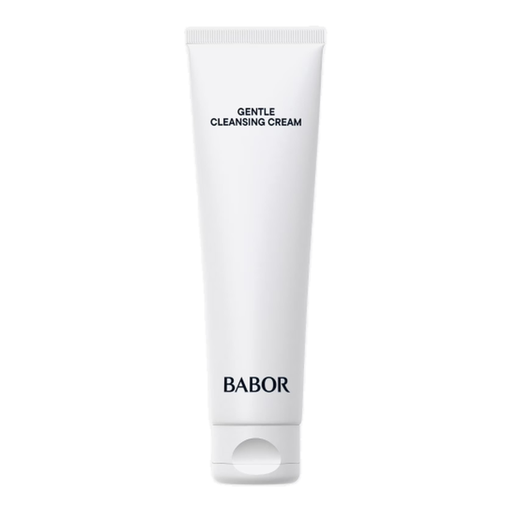
Why this product suits the profile: According to the product description, this fragrance-free cleansing cream is suitable for all skin types, including sensitive skin, and is suitable for cleansing dry skin.
The “fragrance-free” claim is specific formulation information and may make choosing easier for people with fragrance sensitivities. However, individual tolerance remains the deciding factor.
Creamy consistency, 100 ml content and listed ingredients such as bisabolol and aloe vera.
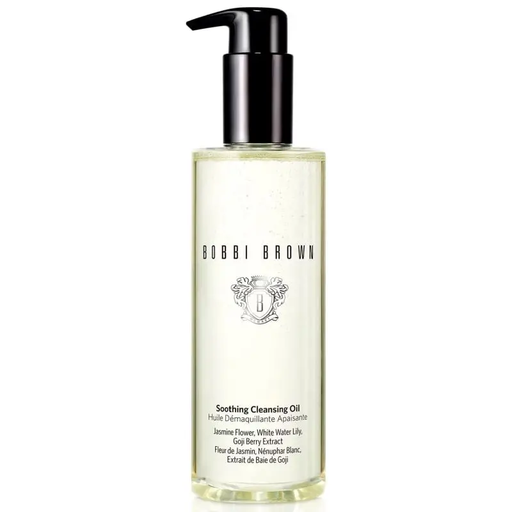
Why this product suits the profile: This cleansing oil is designed for make-up, dirt and waterproof products. The 200 ml size is suitable for regular use.
Emulsifying the oil with water as directed helps distribute the oil phase before rinsing. If you are sensitive to fragrances, check the ingredient list for lavender oil, jasmine wax and geraniol.
Oil-based texture, 200 ml content and described use for waterproof make-up.
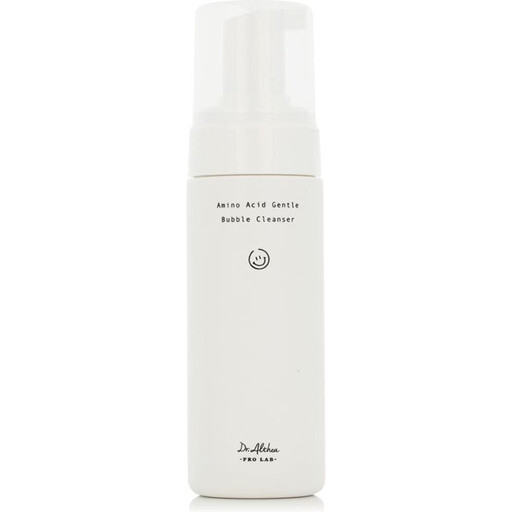
Why this product suits the profile: According to the product information, this foaming cleanser contains 17 amino acids, glycerine, sodium hyaluronate and ceramides. The water-based formula is described as suitable for daily cleansing.
The product description states that it cleanses without leaving skin feeling dry. As the ingredient list also includes limonene from orange oil, the formulation should be checked carefully if you are sensitive to fragrances.
140 ml content, foaming pump and clearly stated amino acid and moisturising components.
We have put together a complete, regularly updated list of products that fully meet these strict selection criteria and the safety regulations applicable in the EU.
Most products are recommended for use in the morning and evening. If your skin is dry, sensitive or irritated, using a cleanser less frequently may be advisable. The instructions on the packaging remain the deciding factor.
This depends on the product. Look for the PAO symbol, usually an open-jar symbol with a number of months, as well as the best-before or expiry date. Changes in smell, colour or consistency may be a reason to stop using the product.
Not necessarily. Many manufacturers describe using their products morning and evening. However, if you have sensitive or dry skin, it may be sensible to adjust the intensity of cleansing according to how your skin feels and which skincare products you use. After heavy make-up or sun cream, a more thorough evening routine may be necessary.
That depends on what you need it for. Cleansing oil is often suitable for dissolving make-up and waterproof products. Face wash gel is a water-based option for sweat, dust and everyday residue. If needed, you can use both products one after the other, provided your skin tolerates this routine well.