
Lieferung heute & morgen

Qualitätsgarantie

Willkommens-Angebote freischalten: KOSTENLOSE Lieferung | Bis zu 80 % RABATT | Kostenlose 30-Tage-JoyPlus-Testphase
App herunterladen
A facial cleanser should remove dirt, excess sebum, make-up residue and other build-up without leaving your skin feeling uncomfortably dry or tight afterwards. The choice ranges from liquid cleansing gels and creamy, foaming formulas to solid facial cleansers and traditional facial soap.
However, the product name alone says little about how suitable it really is. Three common shopping misconceptions particularly often lead to unsuitable purchases:
For dry skin, mild, creamy textures and moisturising ingredients such as glycerin, urea or Sodium PCA are useful features to look for. A foaming facial cleanser may also be suitable, provided the product information indicates that it is not formulated to dry out the skin.
For oily skin or a shiny T-zone, lightweight cleansing gels and foaming cleansers may be suitable. They should remove excess sebum without leaving your skin feeling noticeably tight. A product for oily skin is not automatically suitable for daily use by every skin type.
For sensitive skin, it is worth checking the complete INCI list. A soap-free facial cleanser, a fragrance-free formula and a manageable number of potentially irritating ingredients can make choosing easier. If you have a known intolerance, the individual ingredient list of the product supplied should be the decisive factor.
If you are looking for a make-up remover for the face, first check whether the manufacturer states that the product also removes make-up residue. Not every facial cleanser replaces a specialist remover for waterproof make-up.
Acids such as salicylic acid, AHA or PHA are often promoted for cleansing blemish-prone skin. They can add a functional element to the formula, but they are not a general guarantee of a particular skin result. If your skin is sensitive or already irritated, it is sensible to introduce the product cautiously. A patch test before first use can help you assess your personal tolerance.
Terms such as “natural”, “luxurious” or “for all skin types” are not sufficient buying criteria either. Instead, check:
Solid facial cleansers need a dry, well-ventilated place to drain after washing. If a cleansing bar is left permanently in water, it may soften and dissolve more quickly. With a refill product, you should also check whether a tin or storage container is included.
Liquid products are generally straightforward to use day to day, but they require packaging. Smaller formats, such as a 25-g bar, can be practical for travelling. Regardless of the product type, the general rule is: wet your face with lukewarm water, gently work in the cleanser, avoid the eye area and rinse thoroughly.
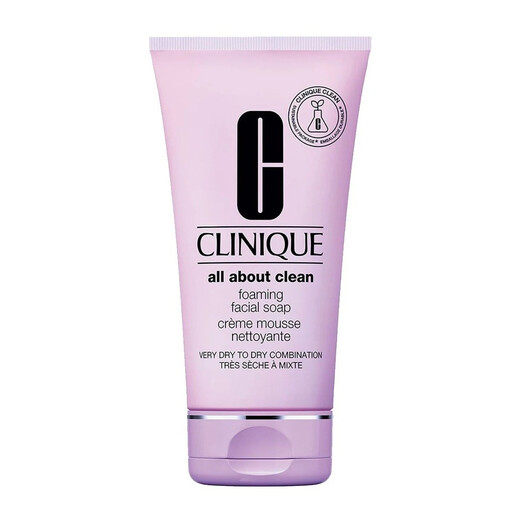
Why this product suits the profile: The creamy, foaming texture and 150 ml format are ideal for a straightforward morning and evening routine. According to Clinique’s product description, the formula is free from parabens, phthalates and fragrance.
The product description states that it cleanses without drying out or stripping the skin, and that it is designed for dry to very dry skin.
150 ml contents; creamy foam; fragrance-free according to the product information.
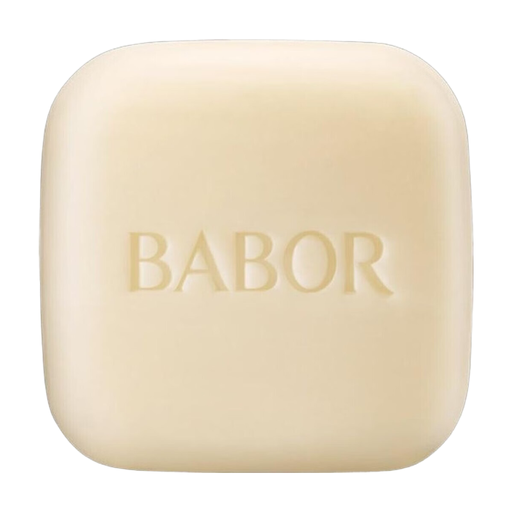
Why this product suits the profile: This solid, fragrance-free and soap-free facial cleanser is aimed at shoppers who pay close attention to ingredient information and look for a refill solution.
The refill is supplied without a storage tin. If you already own a tin, this helps you avoid an unnecessary new purchase; check the product information before ordering.
65-g refill; fragrance-free and soap-free according to the product description; with aloe vera juice and baobab oil.
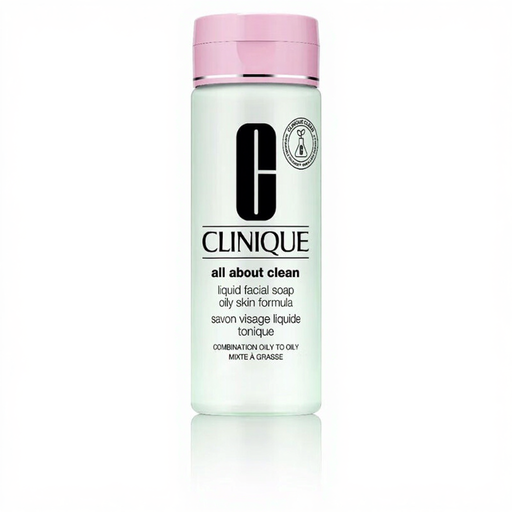
Why this product suits the profile: The pump dispenser and 200 ml volume are practical for regular use in the bathroom. According to Clinique’s product description, this cleanser is designed for oily skin and is fragrance-free.
The product positioning identifies excess sebum and make-up residue as cleansing targets without presenting the product as universally suitable for dry skin.
200 ml contents; pump dispenser; foaming use according to the product information.
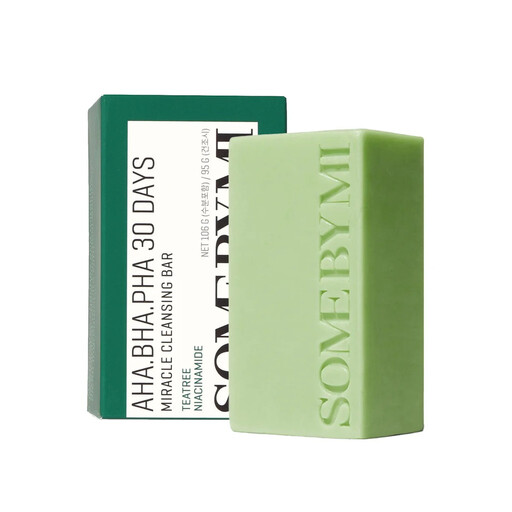
Why this product suits the profile: According to the product description, this solid cleanser combines AHA, BHA and PHA with niacinamide and plant extracts. It appeals to shoppers who specifically look for acids in their cleansing routine.
The active ingredient combination is clearly stated. For sensitive skin, the manufacturer recommends a patch test; discontinue use if irritation occurs.
106-g bar; AHA, BHA and PHA complex according to the product information; guidance on checking skin tolerance provided.
We have put together a complete, regularly updated list of products that fully meet these strict selection criteria and the safety regulations applicable in the EU.
For many people, cleansing in the morning and evening is usual. If your skin is dry or sensitive, cleansing more frequently or particularly intensively can feel uncomfortable. Your skin’s feel, the product instructions and your personal tolerance are the key considerations. An additional cleanse may be useful after exercise or heavy sweating.
This cannot be determined simply by looking at the solid format. Check whether the product is described as soap-free, fragrance-free or suitable for sensitive skin, and compare the INCI list. If you have known skin problems or persistent irritation, discontinue use and seek dermatological advice if necessary.
How long it lasts depends on the quantity, frequency of use and amount dispensed. Liquid products are generally used by the millilitre; solid bars last longer if they are allowed to dry completely after each use. The expiry date, batch number and information on the packaging take priority over general rules of thumb.