
Lieferung heute & morgen

Qualitätsgarantie

Willkommens-Angebote freischalten: KOSTENLOSE Lieferung | Bis zu 80 % RABATT | Kostenlose 30-Tage-JoyPlus-Testphase
App herunterladen
The right facial cleanser is the foundation of any daily skincare routine. Yet many shoppers in the UK choose products that claim to offer “pore cleansing”, be “especially gentle” or work “against spots”, but are not suited to their own skin type. This can result in feelings of tightness, a greasy film or unnecessary irritation.
A strongly foaming facial wash can leave your skin feeling exceptionally clean. However, this feeling says little about whether the formula is suitable for daily facial cleansing. Harsh surfactants or frequent removal of the skin’s natural oils can cause an uncomfortable feeling of tightness, particularly on dry or sensitive skin.
A facial cleanser for spots or a pore-cleansing product may contain acids such as salicylic acid. These ingredients may be worth considering for certain skin types, but they should not automatically be used morning and evening. Concentration, your individual tolerance and how the product interacts with other skincare products are all important factors.
A universal claim does not replace choosing a product for your individual needs. A face wash gel for oily skin needs to offer different properties from a gentle facial cleanser for dry or sensitive skin. Fragrances, essential oils and certain preservatives may also be relevant depending on how sensitive your skin is.
A light gel or foam texture is often suitable for normal or combination skin. For oily skin, cleansing formulas containing salicylic acid or other clarifying ingredients may be worth considering. However, a facial cleanser for blemished skin should not be selected solely on the basis of the strongest cleansing sensation.
For dry skin, glycerine, hyaluronic acid and mild surfactants can provide useful points of reference. A facial cleanser for sensitive skin should contain as few potentially irritating ingredients as possible. Check the complete INCI list on the packaging, and bear in mind that formulas can change.
A pH-balanced facial cleanser does not necessarily have to have a pH of exactly 7. Many products designed to be kind to the skin are slightly acidic and reflect the natural surface of the skin. If a specific value such as pH 5.5 is stated, this is a verifiable product characteristic.
The surfactant base is also relevant. Coco-Betaine, Coco-Glucoside, amino acid surfactants and Sodium Cocoyl Isethionate are often used in gentler cleansing formulas. A high level of foam alone is not proof of quality. What matters is how your skin feels after rinsing and whether the cleanser is suitable for daily use.
Fragrances, essential oils, menthol and alcohol can be problematic for some people. This does not automatically mean that a product is unsuitable, but if you have sensitive skin, it is worth taking a closer look.
Products containing salicylic acid, betaine salicylate or fruit acids should be used in accordance with the instructions on the packaging. When trying a new facial cleanser, it is advisable to test it on a small area of skin first. Stop using the product if redness, stinging, itching or swelling occurs. If symptoms persist, seeking dermatological advice is recommended.
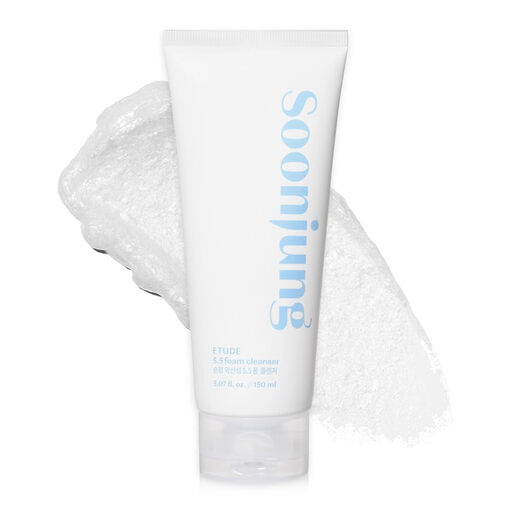
Why this product suits this profile: The stated 150ml size and foam texture offer an uncomplicated introduction to daily facial cleansing. The stated pH value of 5.5 provides a clear reference point for shoppers looking for a mildly acidic formula.
The specific pH information prevents the product from being chosen solely on the basis of big marketing claims or abundant foam. The INCI list should be checked before purchase to ensure it suits your individual tolerance.
Stated pH value of 5.5; 150ml content; panthenol and madecassoside according to the product description.
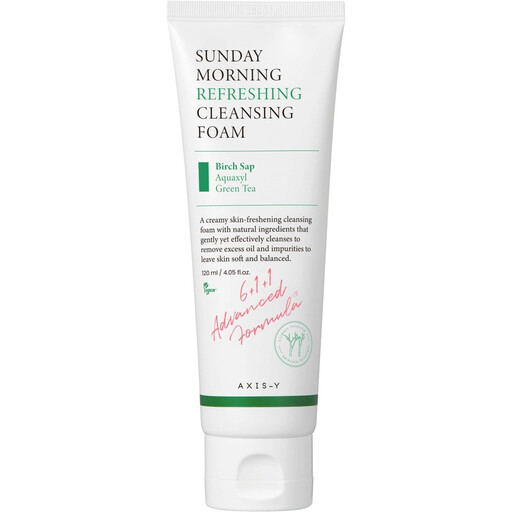
Why this product suits this profile: According to the product information, this Korean formula has a pH value of 5.5 and is particularly aimed at sensitive or stressed skin. The creamy foam texture is well suited to a structured morning and evening routine.
The stated pH value and detailed INCI list make the choice easier to assess than relying on terms such as “luxury skincare”.
Stated pH value of 5.5; botanical extracts such as birch water and mugwort; 120ml content.
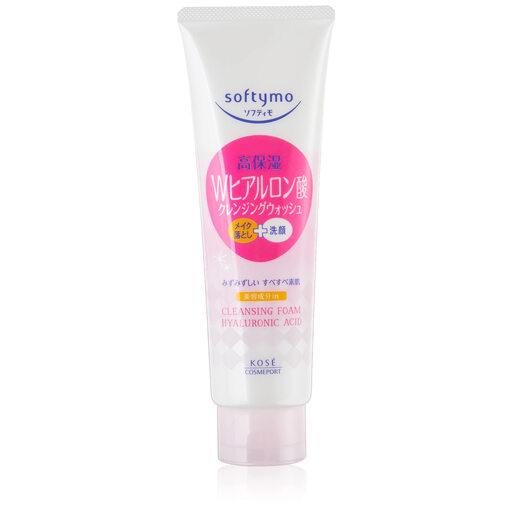
Why this product suits this profile: This Japanese facial cleanser combines a creamy foaming base with glycerine and two specified hyaluronic acid components. The 190g pack is practical for frequent users.
The choice is based on clear information about the product size and ingredients, rather than a blanket claim that it is suitable for every skin concern.
190g content; two hyaluronic acid derivatives according to the product description; suitable for daily use according to the manufacturer’s information.
We have put together a complete, regularly updated list of products that fully meet these strict selection criteria and the safety regulations applicable in the EU.
Make-up or water-resistant sun protection may require a separate cleansing step with an oil- or balm-based product. A conventional facial cleanser will not necessarily remove every long-wearing product completely.
This depends on your skin type, perspiration, sun protection and make-up. According to the usage instructions, many products are intended for use morning and evening. If you have dry or very sensitive skin, cleansing once in the evening may be sufficient. How your skin feels after rinsing is the key factor.
Look for mild surfactants, a manageable INCI list and as few fragrances as possible. A low pH value may be a relevant selection criterion, but it is not by itself proof of individual tolerance. New products should initially be tested with care.
A facial cleanser containing salicylic acid or betaine salicylate may be worth considering for people with blemished or oily skin. As the product is rinsed off again, its effects should not be equated with medical treatment. If you have persistent or severe skin problems, dermatological advice is recommended.