
Lieferung heute & morgen

Qualitätsgarantie

Willkommens-Angebote freischalten: KOSTENLOSE Lieferung | Bis zu 80 % RABATT | Kostenlose 30-Tage-JoyPlus-Testphase
App herunterladen
A facial cleanser is part of many people’s daily skincare routine. Even so, choosing one isn’t always straightforward: gels, foams, cleansing milks and solid cleansers can differ significantly in how you use them, how they feel on your skin and what they contain. Marketing terms such as ‘deep-cleansing’, ‘clarifying’ or ‘extra gentle’ don’t, on their own, tell you whether a product is right for your skin.
The points below can help you avoid common purchasing pitfalls and choose a facial cleanser based on clear, practical criteria.
Skin that feels squeaky or very tight after washing isn’t reliable proof that it’s been cleansed more effectively. It may mean that the formula isn’t suited to your skin’s needs, or that you’re using it too often. If you have dry or reactive skin, look for mild surfactants, keep the application time short and use lukewarm water.
A product may be marketed as suitable for all skin types and still contain fragrance, essential oils or exfoliating ingredients. If you have sensitive skin, it’s worth checking the full INCI list. You’ll find it on the packaging, and it takes precedence over older information online.
A facial cleansing gel is rinsed off after a short time. Ingredients such as salicylic acid, plant extracts or snail secretion filtrate shouldn’t automatically be taken to mean that a product will have a particular cosmetic effect. Claims about treating skin conditions or therapeutic efficacy aren’t part of an impartial purchasing decision.
If you have dry or sensitive skin, a gentle facial cleanser containing glycerin or amino acids, or with a creamy foam texture, may be a good option. For oily skin, it’s important to remove excess sebum without putting unnecessary strain on your skin with an overly harsh cleanse. If you’re prone to blemishes, you can compare products with clearly stated clarifying ingredients. However, a facial cleanser for blemish-prone skin is no substitute for dermatological advice.
Surfactants remove dirt, sweat and sebum. It’s not just a question of whether a product lathers, but how your skin feels afterwards. A stated low or skin-friendly pH can be a useful point of comparison, but it doesn’t prove the product is better quality on its own.
If you have sensitive or reactive skin, fragrance-free formulas are often easier to assess. Fragrance and essential oils aren’t necessarily a problem, but they may be deal-breakers if you have an individual intolerance. When trying a new product, it’s a good idea to test it on a small area of skin first.
A pump dispenser that produces ready-made foam saves time, while you’ll usually need to work a gel into a lather yourself. Solid cleansers need a dry place to sit, so the bar doesn’t stay in water. The size is worth considering too: 50 ml is handy for travelling or trying a product, while 150 to 400 ml is generally better for regular use.
A cleansing gel may not be enough to remove make-up and waterproof products. In that case, a dedicated make-up remover for the face or an oil-based first step may be useful. Whether you need to double cleanse depends on the products you use, your make-up and how your skin feels.
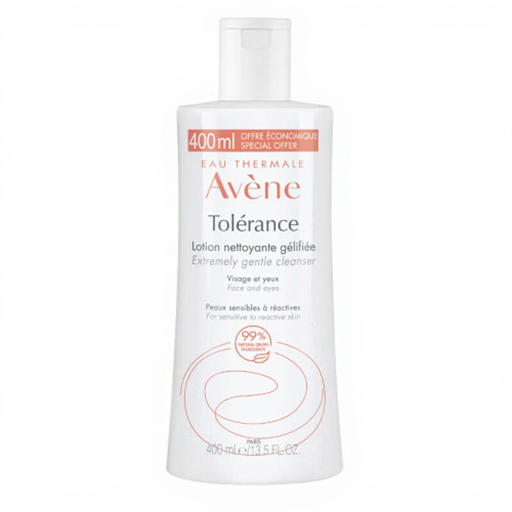
Why this product suits this profile: According to the product description, this gel-like cleansing lotion is designed for sensitive and reactive skin, is fragrance-free and can be used without rinsing.
The fragrance-free and no-rinse details make key selection criteria clear. You should still take your eye area and individual tolerance into account.
400 ml size, fragrance-free formula according to the product details, and suitable for use on the face, eyes and lips.
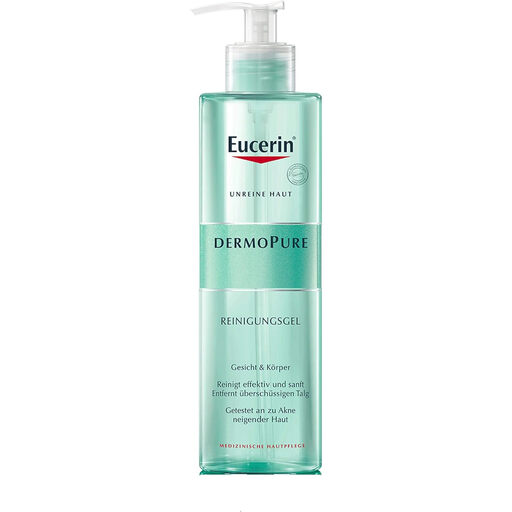
Why this product suits this profile: The larger size is suited to people who use a facial cleansing gel regularly, morning and evening, and want to target excess sebum.
The product description mentions removing excess sebum and includes salicylic acid. If you have dry or sensitive skin, take extra care to check how well you tolerate it.
400 ml size and salicylic acid listed in the stated INCI ingredients.
We’ve put together a complete, regularly updated list of products that meet these strict selection criteria and fully comply with the safety regulations in force in the EU.
A facial cleansing foam is particularly handy for a quick cleanse. If you’re wearing heavy make-up, you may need a separate facial make-up remover. When introducing new formulas, avoid starting several other active skincare products at the same time.
For many people, cleansing morning and evening is enough. If you have dry or reactive skin, using water or a particularly gentle facial cleanser in the morning may feel more comfortable. What matters is how your skin feels, the product instructions and how well you tolerate it.
Check the best-before date printed on the packaging, the batch number and, where applicable, the open-jar symbol showing how long the product can be used after opening. Changes in smell, colour or consistency may be a sign that you should stop using the product. Always follow the information on the packaging.
For oily skin, gel or foam formulas with clearly stated cleansing properties may be suitable. Ingredients such as salicylic acid can be useful points of comparison, but they don’t guarantee a particular result. If you have persistent or inflamed skin problems, it’s worth seeking advice from a dermatologist.