
Lieferung heute & morgen

Qualitätsgarantie

Willkommens-Angebote freischalten: KOSTENLOSE Lieferung | Bis zu 80 % RABATT | Kostenlose 30-Tage-JoyPlus-Testphase
App herunterladen
A facial cleanser should remove make-up, dirt, sweat and excess sebum without leaving your skin feeling uncomfortably tight after washing. The choice ranges from face wash gel and cleansing foam to micellar water and facial cleansing oil. What matters is not a striking advertising claim, but the combination of skin type, cleansing performance, ingredients and application.
A universal claim says little about individual skin tolerance. A strongly foaming facial cleanser can leave dry or sensitive skin feeling tight. Conversely, a very gentle cleanser may not be sufficient for oily skin or waterproof make-up.
Salicylic acid, BHA, amino acids and hyaluronic acid sound convincing. However, simply listing them does not explain how the complete formula is composed. Fragrances and essential oils may also be relevant for some people. The current INCI list on the packaging should therefore be checked before buying.
Even a cleansing foam for sensitive skin can trigger individual reactions. New products should first be tested on a small area of skin. Stop using the product if redness, burning or itching occurs. Cosmetic facial cleansers are not intended to treat skin conditions.
Pay attention to how your skin feels after cleansing. In everyday use, a pleasant, clean skin feel without pronounced tightness usually indicates a more suitable cleanser. Commonly used mild cleansing agents include Coco-Glucoside, Cocamidopropyl Betaine, Sodium Cocoyl Isethionate and amino acid surfactants. However, the precise effect depends on the complete formula.
Creamy or moisture-retaining formulations may be suitable for dry skin. A facial cleanser for oily skin should remove excess sebum without leaving your skin feeling persistently dry.
A slightly acidic pH, often described as a “low-pH facial cleanser”, is closer to the skin’s natural acid mantle than strongly alkaline soaps. Ideally, the specific pH value should be stated by the manufacturer. The description alone is not sufficient proof of quality.
Check whether the product is rinsed off or removed with a cotton pad. Micellar water is practical for travelling or removing make-up. Facial cleansing oil is often suitable as the first step when wearing heavier make-up or sunscreen. For a Korean skincare cleansing routine, an oil or balm cleanser is often used first in the evening, followed by a water-based foam cleanser.
With a salicylic acid facial cleanser, you should consider the concentration, directions for use and your individual skin tolerance. If you have sensitive skin, introducing it gradually is advisable. Using several exfoliating products at the same time can place unnecessary stress on the skin.
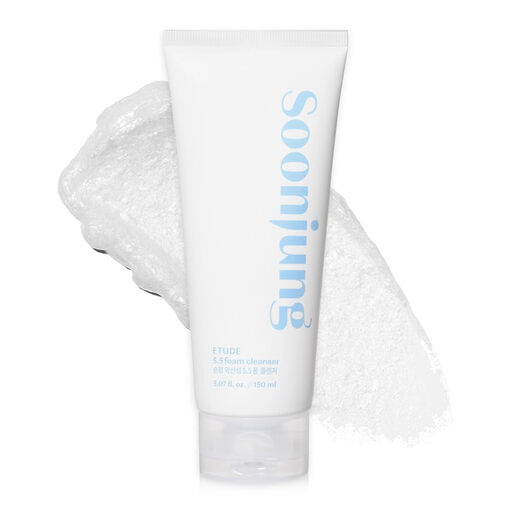
Why this product suits this profile: The 150ml tube provides straightforward, water-based cleansing with a stated pH value of 5.5 and a creamy foam.
The stated pH value makes the choice easier to assess than a general “gentle” advertising claim. According to the product information, the INCI list contains neither perfume nor synthetic colourants.
pH 5.5; panthenol and madecassoside according to the ingredients list; designed as a foam cleanser for daily use.
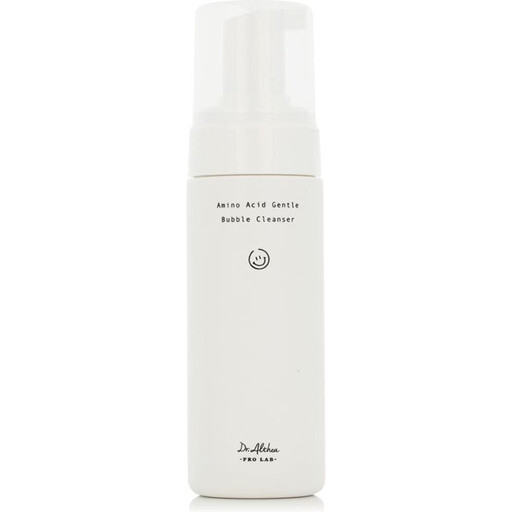
Why this product suits this profile: The pre-lathered texture is appealing to anyone who prefers comfortable cleansing without having to create the foam separately.
The product description states that it has a water-based formula and contains 17 amino acids. At the same time, the ingredients list includes orange oil and limonene, which should be checked if you are sensitive to fragrance.
140ml contents; ready-to-use bubble foam; the stated formula includes amino acids, glycerin and ceramide NP.
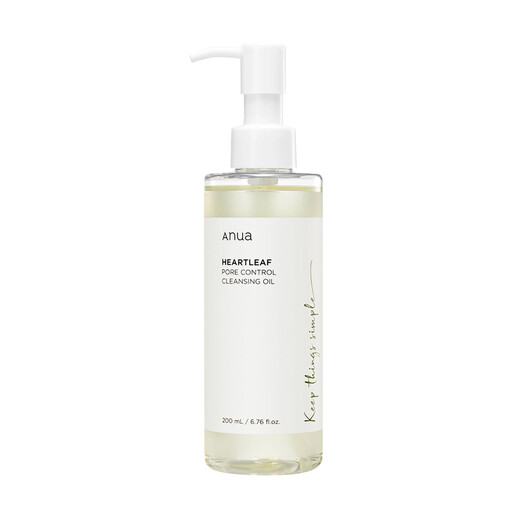
Why this product suits this profile: This cleansing oil is suitable for evening routines involving make-up or richer sunscreens, as well as for a Korean cleansing routine followed by foam cleanser.
The directions explicitly describe emulsifying the product with water. This helps distribute the oil phase before rinsing; however, the ingredients list does include fragrance.
200ml contents; designed to remove make-up and excess skin oil; contains heartleaf extract according to the product information.
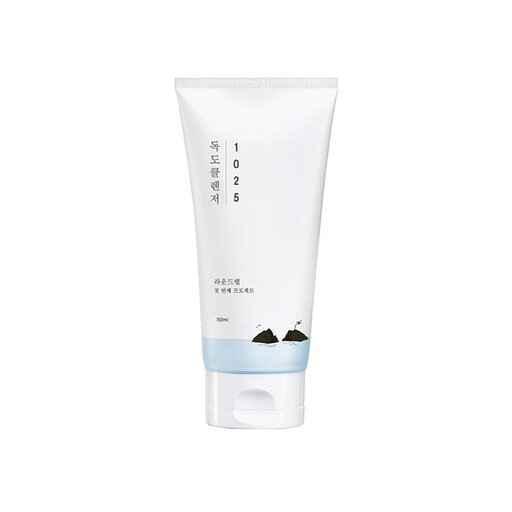
Why this product suits this profile: The combination of creamy foam, glycerin and panthenol is suitable for anyone who prefers a classic facial cleansing routine in the morning and evening.
The ingredients list names mild surfactants as well as panthenol and glycerin. For anyone sensitive to fragrance, it is worth noting that no perfume is listed in the stated formula.
150ml contents; water-based foaming texture; mild surfactant combination according to the INCI list.
For blemished or acne-prone skin, products containing salicylic acid may be worth considering, such as the Salicylic Acid Daily Gentle Cleanser, which contains 0.5 per cent salicylic acid according to the product information. This is not a guarantee of a particular skin condition. If symptoms persist or are pronounced, seek medical advice.
We have put together a complete, regularly updated list of products that fully meet these strict selection criteria and the safety regulations applicable in the EU.
For most adults, cleansing in the evening is beneficial. In the morning, depending on your skin type, water or a gentle facial cleanser may be sufficient. If you have dry or sensitive skin, adjust the frequency according to how your skin feels.
The best-before date and the PAO symbol on the packaging are the key references, for example “12M”. If the smell, colour or consistency changes, stop using the product. Hygienic storage and closing the container after every use can help you comply with the stated period of use.
The two products serve different purposes. Micellar water is practical for removing make-up without rinsing, while a face wash gel or cleansing foam is used with water. If any residue remains, you can use a gentle, rinse-off facial cleanser after the micellar water. The deciding factors are your skin type, the product formula and your personal skin tolerance.