
Lieferung heute & morgen

Qualitätsgarantie

Willkommens-Angebote freischalten: KOSTENLOSE Lieferung | Bis zu 80 % RABATT | Kostenlose 30-Tage-JoyPlus-Testphase
App herunterladen
A facial cleanser is part of many people’s daily skincare routine. Even so, choosing the right one often leads to disappointing purchases: one product lathers heavily but leaves skin feeling tight; a cleansing oil removes make-up but is difficult to rinse off; a cleanser containing acids is used too frequently. The key is therefore not an eye-catching marketing claim, but the combination of cleansing type, skin type, ingredients and application.
A dense cleansing foam can feel pleasant to use. However, the amount of foam alone says little about how well a product is tolerated or how effectively it cleanses. Factors such as the surfactants used, contact time and how your skin feels after rinsing are also important. If your skin regularly feels dry or tight, your cleansing step may be too intense.
A universally formulated facial cleanser can be practical, but it will not necessarily suit every skincare routine. Dry skin usually needs a different texture from oily or blemish-prone skin. If you have sensitive skin, fragrance, essential oils and potentially irritating active ingredients should also be assessed particularly carefully.
Salicylic acid, plant extracts and niacinamide can all form part of a cleanser formula. However, a facial cleanser is rinsed off again. You should therefore not expect long-term changes to your skin based solely on a cleansing product that is applied for a short time. For products containing BHA or similar ingredients, follow the manufacturer’s instructions.
For heavier make-up or waterproof sun protection, double cleansing can be a good option: start with a cleansing oil or cleansing balm, followed by a water-based cleanser. In the morning, many people find that a mild facial cleanser or lukewarm water is sufficient, depending on their skin type and how their skin feels.
A low-pH cleanser is often in the mildly acidic range. Some products, such as the Etude House SoonJung pH 5.5 Foam Cleanser and the AXIS-Y Sunday Morning Refreshing Cleansing Foam, state a pH value of 5.5. This provides a useful point of comparison, but does not replace an individual tolerance test.
You should also check the INCI list. Glycerin, Panthenol and Sodium Hyaluronate can help support skin conditioning within a formula. If you are sensitive to fragrance, check for terms such as “Parfum” and any fragrance allergens that must be declared. The ingredients list on the packaging is the authoritative source, as formulas can change.
150 ml is a common size for a daily cleansing foam. A 400 or 470 ml product may be more economical for frequent users, but it requires more space in the bathroom. Cleansing oils, for example, are available in 200 ml sizes, while cleansing balms are often sold in 100 ml formats.
Do not buy a larger pack if you are not yet familiar with the texture or how well your skin tolerates it. Check the expiry date, batch number and PAO symbol on the packaging. Stop using the product if you experience eye or skin irritation.
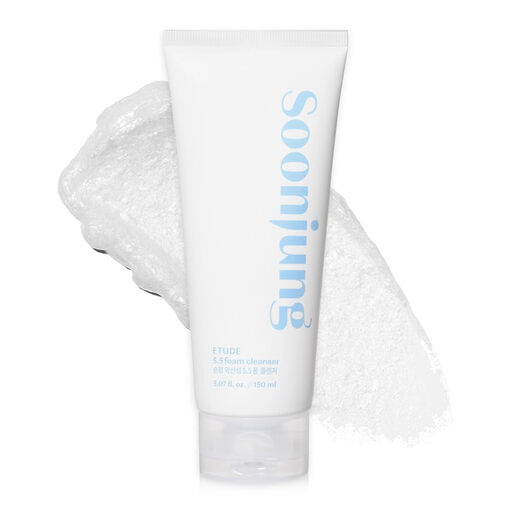
Why this product suits the profile: This cleansing foam lathers with water and is designed for a straightforward daily routine. Its stated pH formulation of 5.5, together with Panthenol and Madecassoside, provides useful criteria when making your choice.
The stated pH value offers a specific point of comparison instead of a general claim such as “particularly gentle”. Check the current INCI list before buying.
150 ml format, creamy foam and a fragrance-free formula according to the product information.
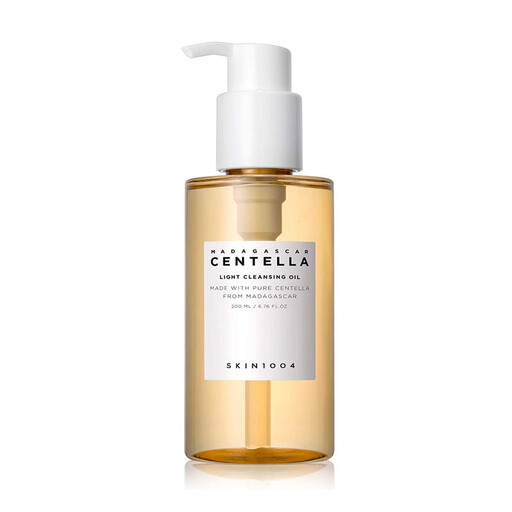
Why this product suits the profile: This lightweight cleansing oil is designed to remove make-up, sun protection and excess sebum. Apply it to dry skin, then emulsify it with water.
The clear instructions—use with dry hands, emulsify afterwards and rinse thoroughly—help reduce the risk of an oily residue.
200 ml content, a lightweight oil texture and a formula containing Centella Asiatica extract and plant oils according to the product description.
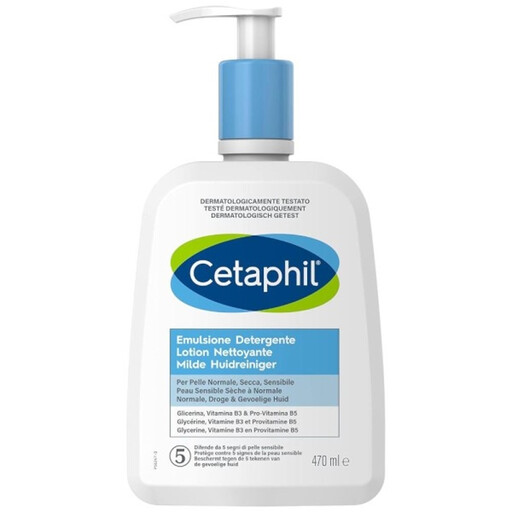
Why this product suits the profile: The large 470 ml bottle is ideal for people who cleanse regularly and prefer a generous size. According to the instructions, the product can be rinsed off or removed with a soft cloth.
The cleansing process does not rely on producing lots of foam. This makes it easier to assess how your skin feels after washing based on your own tolerance.
Large 470 ml format and a short INCI list containing Glycerin, Panthenol and Niacinamide according to the product information.
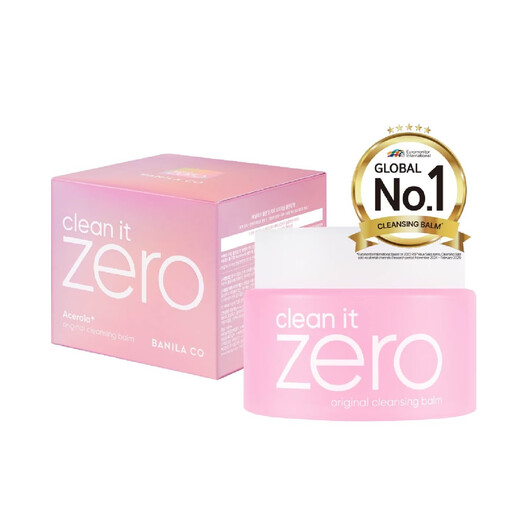
Why this product suits the profile: Apply the balm to dry skin, where it melts into an oil texture before emulsifying with water. This makes it an interesting option for the first stage of a double cleanse when wearing heavier make-up.
Emulsifying the product as intended helps rinse away the solid balm texture thoroughly. If you have sensitive skin, take fragrance ingredients in the INCI list into account before buying.
100 ml content, a balm-to-oil texture and use on the face as well as for eye and lip make-up according to the product description.
We have put together a complete, regularly updated list of products that fully meet these strict selection criteria and the safety regulations applicable in the EU.
Many people use a cleanser in the morning and evening. If you have dry or sensitive skin, cleansing once in the evening may be sufficient, particularly if there are no rich products to remove in the morning. The right frequency depends on how your skin feels, as well as make-up, sun protection and sebum production.
Cleansing oil dissolves oil-soluble residues such as make-up and sun protection. Cleansing foam or cleansing gel is usually used with water and removes sweat and water-soluble impurities. With a double cleanse, oil or balm is used first, followed by a water-based cleanser.
Look for a manageable INCI list, as little fragrance as possible and a comfortable feel after rinsing. A mild facial cleanser containing Glycerin or Panthenol may be a suitable option. Before using it regularly, test the product on a small area of skin. If problems persist, seek advice from a dermatologist.