
Lieferung heute & morgen

Qualitätsgarantie

Willkommens-Angebote freischalten: KOSTENLOSE Lieferung | Bis zu 80 % RABATT | Kostenlose 30-Tage-JoyPlus-Testphase
App herunterladen
A facial cleanser should remove make-up, sun cream, sebum and dirt without leaving your skin feeling uncomfortably tight. There’s a wide choice, from facial wash gels and cleansing creams to cleansing balms and make-up removers. That variety can make choosing the right one a challenge.
Many products promise “pore cleansing”, “glow” or an especially rich lather. But these claims don’t automatically tell you whether a cleanser suits your skin or your daily routine. What matters is the formula, how you use it and what you need it to remove.
A product with clay, acids or strongly foaming surfactants may feel especially thorough. But cleansing too often or too intensively can leave dry or sensitive skin feeling tight. “Deep cleansing” alone is not a measure of quality.
Perfume, essential oils and listed fragrance allergens aren’t necessarily a problem, but they may be relevant if your skin is sensitive or reactive. Checking the INCI list is more helpful than relying on claims such as “gentle” or “natural”. Even a facial cleanser for sensitive skin should be tested carefully on a small area before regular use.
A foaming cleanser can remove dirt and excess sebum, but it may not be designed to remove long-wear make-up or water-resistant sun cream. In these cases, double cleansing may be a good option: first, a cleansing balm or cream dissolves oil-based residue; then, a water-based facial cleanser removes anything left behind.
If you wear foundation, water-resistant sun cream or long-wear make-up every day, check the product description to make sure it’s designed to remove these products. A make-up remover or cleansing balm is usually massaged into dry skin and then emulsified with water. A facial wash gel, on the other hand, is typically used on damp skin.
Look out for:
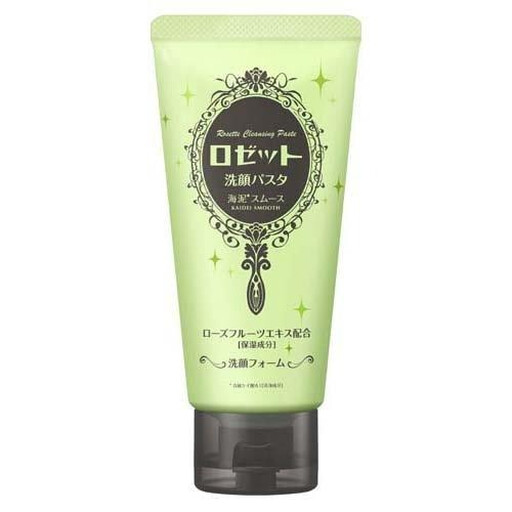
Why this product suits this profile: According to the product description, this 120-g gel contains sea silt and kaolin and is designed as a foaming cleanser for daily facial cleansing. The description states that it contains no fragrance, colourants or mineral oil.
The product details make its texture, size and stated exclusions clear, rather than relying on a vague promise of “deep cleansing”.
120-g gel with sea silt and kaolin according to the product details, in a formula with no added fragrance, colourants or mineral oil.
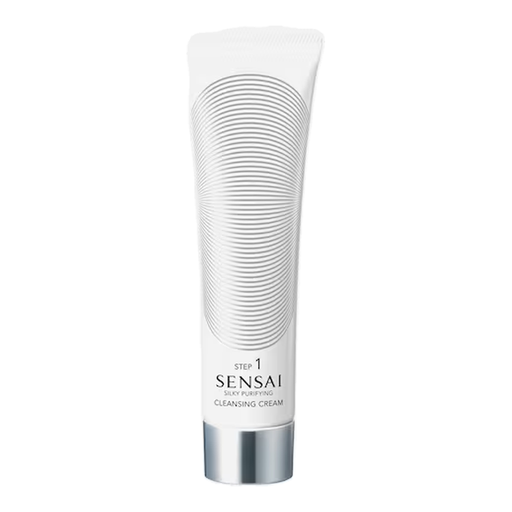
Why this product suits this profile: According to the description, its creamy texture is designed to remove oil-based residue such as make-up and sebum. It works as the first step in a double-cleansing routine.
Clearly labelled “Step 1”, this cleansing cream is less likely to be mistaken for a complete replacement for every water-based cleanser.
125 ml, a creamy texture and stated suitability for removing oil-based residue.
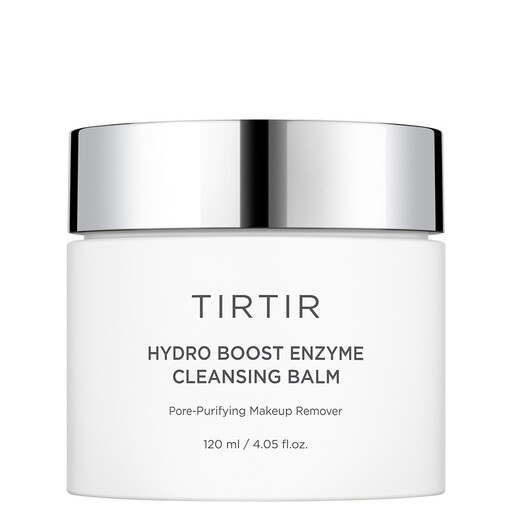
Why this product suits this profile: According to the instructions, apply the balm to dry skin, emulsify with water and rinse off. This makes it an interesting option for removing make-up and sun cream, and as a first cleansing step.
The instructions explain exactly how to emulsify the balm, helping to reduce the risk of using an oily product without rinsing it off thoroughly.
120 ml, a balm texture and stated use as the first step in a double-cleansing routine.
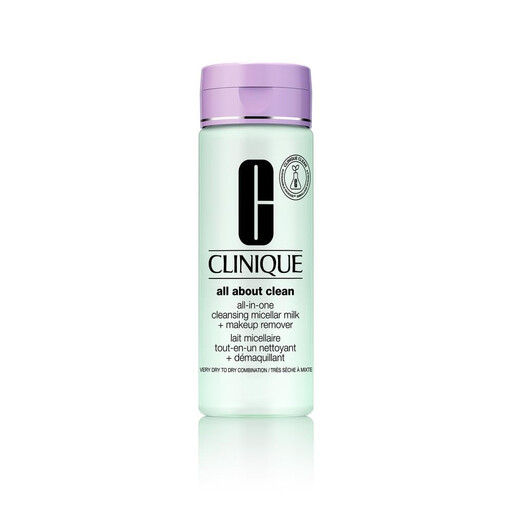
Why this product suits this profile: The product description identifies this as a fragrance-free micellar milk for the face and for eye and lip make-up. It is listed as suitable for dry and very dry skin.
The “fragrance-free” claim and stated suitability for eye and lip make-up make it easier to distinguish from heavily fragranced or exclusively foaming products.
200 ml, micellar milk, a fragrance-free formula according to the product details, and no need to rinse off.
We’ve put together a complete, regularly updated list of products that meet these strict selection criteria and fully comply with the safety regulations in force in the EU.
A small amount of foaming gel is usually enough for damp skin. Cleansing with lukewarm water is often gentler and easier to control than using very hot water. Don’t rub for too long or press too firmly, particularly around the eyes.
For a balm or cleansing cream, use dry hands and apply to dry skin. Massage in the product, emulsify it with water and rinse thoroughly. If you’re double cleansing, follow with a gentle water-based cleanser. In the morning, a simple cleanse may be enough, depending on how your skin feels. In the evening, choose a cleanser based on your make-up, sun cream and exposure to environmental pollutants.
Many people cleanse their face morning and evening. If your skin is dry or sensitive, a gentler morning routine may feel more comfortable. What matters is how your skin feels, the product instructions and how well you tolerate it. If redness, stinging or itching persists, stop using the product and seek dermatological advice if needed.
Check the printed expiry date and the PAO symbol, which tells you how long the product can be used after opening. Heat, direct sunlight and unclean hands can affect product quality. Close the product after each use and follow the information on the packaging.
No. Price and brand positioning alone tell you little about whether a product suits your needs. Instead, check the texture, size, fragrance, surfactants, active ingredients and suitability for your skin type. If you only need to remove light everyday dirt, a simple facial cleanser may be a better choice than a luxury balm.