
Lieferung heute & morgen

Qualitätsgarantie

Willkommens-Angebote freischalten: KOSTENLOSE Lieferung | Bis zu 80 % RABATT | Kostenlose 30-Tage-JoyPlus-Testphase
App herunterladen
A facial cleanser should remove sweat, sebum, make-up and sunscreen without putting unnecessary strain on your skin. Even so, many shoppers choose a product that promises “pore cleansing” or “intensive care”, but does not suit their own skin type. As a Joybuy Product Recommendation Officer, I therefore filter the most important selection criteria and categorise suitable products according to specific user profiles.
A rich lather can feel pleasant, but on its own it says nothing about cleansing performance or skin compatibility. Highly degreasing formulas can leave dry or sensitive skin feeling tight. What matters is the combination of surfactants, how the product is used and your individual skin condition.
Names such as “Deep Pore Cleanser” or “facial pore cleanser” generally describe the removal of sebum and residue from the skin’s surface. A facial cleanser cannot permanently change the size of your pores. With products containing BHA, AHA or PHA, you should also consider your individual skin tolerance.
Salicylic acid, BHA, AHA, PHA or niacinamide can be included in a cleanser. However, as the product is rinsed off after a short contact time, using it is not comparable to using a serum or cream. An acne cleanser is not a substitute for dermatological treatment. If skin problems persist or become inflamed, seeking medical advice is advisable.
For oily or blemish-prone skin, a facial wash gel or facial cleansing foam is often suitable. Look for effective removal of excess sebum without leaving your skin excessively dry after washing. For many people, a gentle facial cleanser with a mild surfactant base is a better choice for daily use than a product designed to remove as much oil as possible.
For sensitive or dry skin, short INCI lists, moisturising ingredients such as glycerine or panthenol, and avoiding unnecessary fragrances are useful guidelines. The term “hypoallergenic” is not proof that a product will suit you personally.
A mildly acidic cleansing product is often described as “low pH” or “mild acid”. However, the pH level alone does not determine the formula as a whole. You should also check the surfactants, fragrances, essential oils and the manufacturer’s instructions. Burning, redness or a persistent tight feeling are reasons to stop using the product.
When using salicylic acid or BHA, do not combine several exfoliating products without careful consideration. The same applies to AHA and PHA. If you have sensitive skin, start by using the product cautiously and monitor how your skin reacts. Products containing BHA can make your skin more sensitive to UV radiation, so suitable sun protection should be part of your daytime routine.
A water-based facial cleanser does not always reliably remove waterproof make-up or rich sunscreen. In this case, a facial cleansing oil can be a useful first step. Apply the oil to dry skin, then emulsify it with water and rinse it off. Follow with a mild cleanser if needed. Double cleansing is not necessary for every skin type or every occasion.
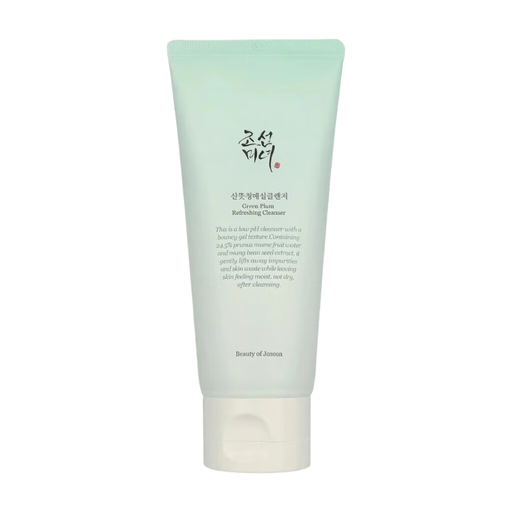
Why this product suits the profile: The gel-like formula is designed for a simple daily facial cleanse and, according to the INCI information, contains ingredients including glycerine, plum water and mung bean extract.
The product description focuses on gentle cleansing rather than aggressive “deep cleansing”. Nevertheless, check the current packaging for any changes.
Gel texture, 100 ml capacity and a straightforward water-based application.
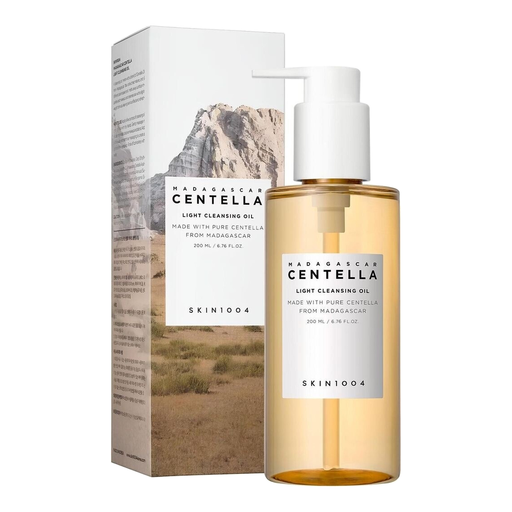
Why this product suits the profile: This facial cleansing oil is designed for evenings when you are wearing make-up or waterproof sunscreen and can be used as the first step in a double-cleansing routine.
It does not automatically replace the second cleansing step. After emulsifying and rinsing, you can follow with a gentle water-based cleanser, depending on any remaining residue.
200 ml capacity and a light, water-like oil texture according to the product description.
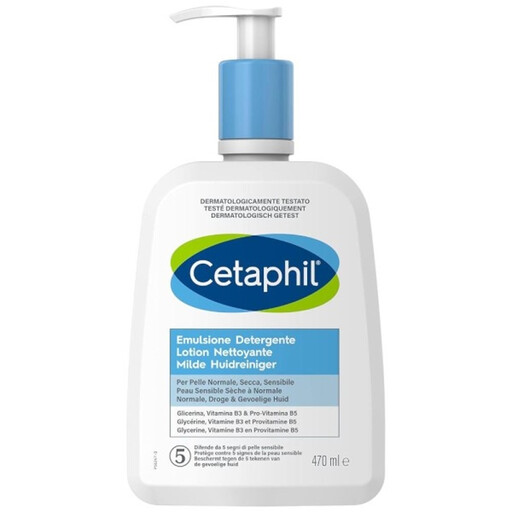
Why this product suits the profile: According to the INCI information, the formula contains ingredients including glycerine, panthenol, niacinamide and sodium cocoyl isethionate, and is designed for morning and evening cleansing.
The product information prioritises gentle use without promoting exfoliating acids as its main feature. Nevertheless, if irritation occurs, stop using it.
470 ml capacity and flexible use with or without rinsing, according to the instructions.
We have put together a complete, regularly updated list of products that fully meet these strict selection criteria and the safety regulations applicable in the EU.
Cleansing oil is generally applied to dry skin. Then add water until a milky emulsion forms. The exact order and frequency of use depend on your make-up, sunscreen and how your skin feels.
For many people, cleansing their face morning and evening is sufficient. If your skin feels dry or sensitive in the morning, you can make your morning cleanse less intensive, depending on the product and how your skin feels. Additional cleansing after heavy sweating is possible, provided your skin does not become irritated.
A facial cleanser for blemish-prone or oily skin may have a light gel or foam texture and contain selected ingredients such as salicylic acid or betaine salicylate. Start cautiously and do not use several acid-based products at the same time. A tight feeling is not a sign of an especially thorough cleanse.
The relevant information includes the printed best-before date, the open-jar symbol and the manufacturer’s instructions. Store the product somewhere dry and cool, protected from direct sunlight. If its smell, colour or consistency changes noticeably, it should not be used again.