
Lieferung heute & morgen

Qualitätsgarantie

Willkommens-Angebote freischalten: KOSTENLOSE Lieferung | Bis zu 80 % RABATT | Kostenlose 30-Tage-JoyPlus-Testphase
App herunterladen
A facial cleanser is part of many people’s daily face-washing routine. Even so, choosing the right one often leads to disappointing purchases: a product may feel pleasant to use but leave your skin feeling tight after rinsing, or simply not suit your skin type. This is particularly worth considering when choosing a facial wash gel, facial cleansing foam or cleanser, so it pays to check the full product description and INCI list.
A rich lather or an especially “squeaky-clean” feeling does not automatically mean that a facial cleanser is more suitable. Highly degreasing formulas can feel uncomfortable on dry or sensitive skin. What matters is whether the cleanser removes dirt, excess sebum and residue without leaving the skin feeling persistently dry after rinsing.
Terms such as hyaluronic acid, plant extracts or amino acids may sound convincing at first. However, with a product that is rinsed off again after a short contact time, the entire formula should be considered. Fragrances, essential oils, alcohol and certain surfactants may also be relevant for some people. The current ingredients list on the packaging is the decisive source of information, as formulas can change.
A facial cleanser for blemish-prone skin is not automatically suitable for the daily cleansing of sensitive skin. Similarly, a moisturising facial cleanser for dry skin may feel too rich if you have a significant excess of sebum. It is also important to consider whether you only want to remove sweat and sebum in the morning, or whether you also need to remove sunscreen and make-up residue in the evening.
Surfactants combine water with oil-soluble residue, making it possible to cleanse the skin. Mild formulas often contain amino acid surfactants, betaine surfactants or glucosides, for example. A mild facial cleanser does not have to be completely foam-free; a fine lather can also feel pleasant and be practical when the formula is well suited to your skin.
Products containing salicylic acid may be worth considering for oily, blemish-prone skin. According to the product information, the Salicylic Acid Daily Gentle Cleanser contains 0,5 % salicylic acid. This is a clearly stated concentration, making it easier to assess than a general claim such as “clarifying”. If your skin is sensitive or irritated, compatibility should be assessed particularly carefully.
Glycerin, panthenol, betaine and hyaluronic acid are included in several products in the selection. According to the stated INCI list, the Kose Softymo Hyaluronic Acid Cleansing Wash 190 g contains, among other ingredients, Sodium Hyaluronate, Sodium Acetylated Hyaluronate and Glycerin. The term “moisturising” describes the properties of the formula and is not a medical claim.
If your skin regularly feels tight after cleansing, use a short washing time, lukewarm water and follow up with skincare. A facial cleanser can support your skincare routine, but it does not replace a moisturiser that is suitable for your individual needs.
Some cleansers are described as mildly acidic or pH-balanced. However, the specific pH value should only be used as a comparison criterion if it has been provided by the manufacturer. If you have sensitive skin, you should also pay attention to fragrances and essential oils. A product may be marketed as gentle while still containing fragrance components.
Before applying a product over a larger area for the first time, people with sensitive skin should carry out a patch test on a small area of skin. If redness, burning, itching or swelling occurs, stop using the product. If symptoms persist, seeking medical advice is recommended.
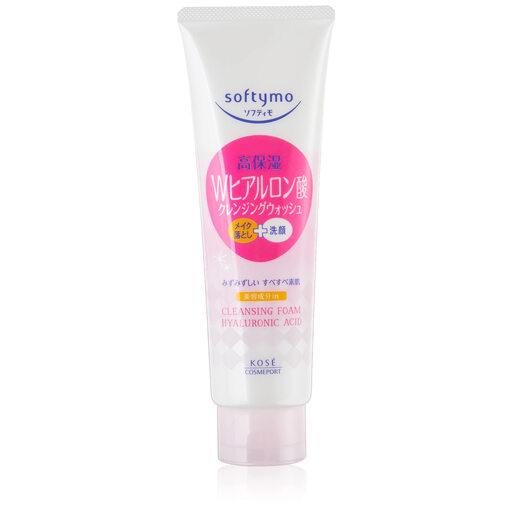
Why this product suits this profile: The 190 g size is designed for regular face washing. According to the product description, the creamy texture is suitable for normal, dry and combination skin.
The product information mentions moisture-binding ingredients and cleansing without the drying sensation described above. The INCI list should be checked against the packaging before purchase.
190 g contents; Sodium Hyaluronate, Sodium Acetylated Hyaluronate and Glycerin according to the stated ingredients list.
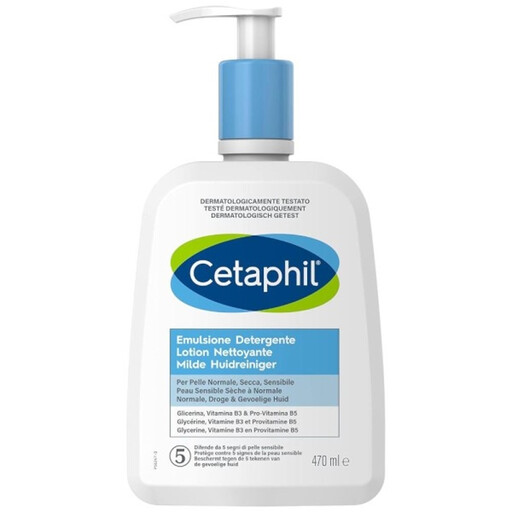
Why this product suits this profile: The large size is ideal for households where cleansing takes place every morning and evening. According to the product information, it can be used with water or removed with a soft cloth.
The concise INCI list makes it easier to check the product before buying. If you wish to avoid fragrances, you can specifically review the composition stated on the product page.
470 ml contents; Glycerin, Panthenol and Niacinamide are included according to the product information.
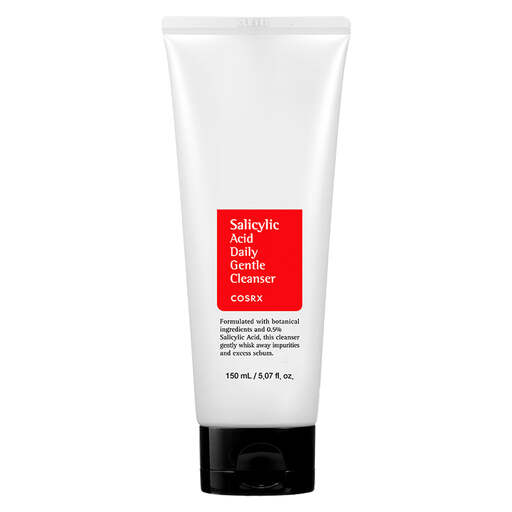
Why this product suits this profile: Its clearly stated salicylic acid concentration makes this cleanser interesting for people who want to choose their cleanser specifically for oily, combination or blemish-prone skin.
Stating the 0,5 % salicylic acid concentration avoids vague active-ingredient claims. If you have sensitive skin or use other acid-based products at the same time, cautious use is advisable.
150 ml contents; according to the product description, 0,5 % salicylic acid as well as tea tree oil and willow bark water.
We have put together a complete, regularly updated list of products that fully meet these strict selection criteria and the safety regulations applicable in the EU.
If you are wearing waterproof make-up or heavy sunscreen, a two-step cleanse may be useful in the evening: start with a suitable oil-based cleanser, followed by a water-based cleanser. Not every facial cleanser removes all make-up completely.
For many people, cleansing in the evening is sufficient. In the morning, water or a mild facial cleanser may be enough, depending on your skin type. If you have dry or sensitive skin, less rubbing and a shorter washing time are often advisable. Oily skin may benefit from cleansing in the morning and evening, provided it does not feel tight or become irritated.
The printed best-before date and the open-jar symbol showing the number of months are the key points of reference. Some product information, for example, states a 12-month period of use after opening. As details may vary from one batch to another, check the packaging of the product you purchase.
The price depends on factors including the quantity, brand, surfactant system and special ingredients. A higher price does not guarantee better skin compatibility. So compare the price per 100 ml, how often you use the product, the ingredients list and the cleansing intensity that suits your skin.