
Lieferung heute & morgen

Qualitätsgarantie

Willkommens-Angebote freischalten: KOSTENLOSE Lieferung | Bis zu 80 % RABATT | Kostenlose 30-Tage-JoyPlus-Testphase
App herunterladen
A facial cleanser is part of the daily skincare routine for many people. Even so, choosing the right product is not always straightforward: one cleanser may leave skin feeling pleasantly clean after washing, only for tightness to appear shortly afterward. Other formulas promise pore purification, hydration, or a particularly low pH, but may not suit every skin type.
This shopping guide from the Joybuy Product Recommendation Officer explains what really matters when choosing a facial cleanser and which Korean and Japanese products may suit different needs.
An intensive facial foam is not automatically the right choice. Highly foaming formulas or products containing alcohol, menthol, fragrance, or essential oils may feel instantly refreshing, but can be uncomfortable for sensitive or dry skin. What matters is whether the skin feels clean yet remains comfortable after rinsing.
A low-pH cleanser with a pH of around 5 to 6 may appeal to people who prefer a gentle cleanse. However, pH alone says nothing about the product’s overall skin compatibility. Surfactants, fragrance, acids, and frequency of use also play a role.
Salicylic acid, BHA, niacinamide, hyaluronic acid, and botanical extracts are often prominently advertised. With a rinse-off product, however, contact time with the skin is limited. These ingredients may complement a formula’s properties, but they do not replace personalised skincare or dermatological advice. Persistent skin concerns should be assessed by a dermatology professional.
The complete INCI list on the packaging is the most reliable reference. Pay particular attention to:
As formulas can change, the ingredient list on the product delivered to you is the authoritative reference. A patch test on a small area of skin may be advisable before first use.
A facial cleanser is typically applied to damp skin and then thoroughly rinsed off with lukewarm water. Avoid unnecessary rubbing and keep the product away from the immediate eye area. In the morning, people with normal or dry skin may find that a less intensive cleanse is sufficient, depending on how their skin feels.
When assessing value, do not look only at the pack price. Compare fill volume, the amount needed per use, and frequency of application. Travel sizes such as 20 or 25 ml are convenient for trying a product, while 120 to 200 ml may be more suitable for regular everyday use.
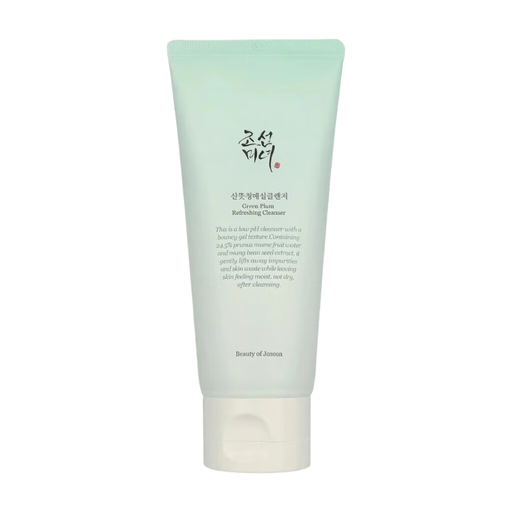
Why This Fits Their Persona: The gel texture and 100 ml size make this a manageable introduction to Korean skincare.
The product description specifies a mildly acidic formula and cleansing without aggressive performance claims.
24% plum water according to the product information; with glycerin and botanical extracts.
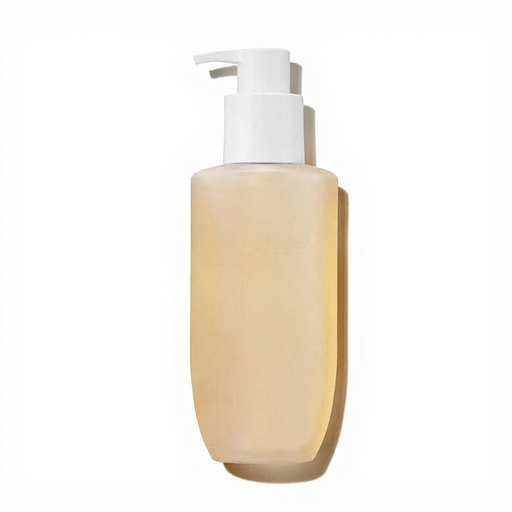
Why This Fits Their Persona: The 200 ml pump bottle suits an established morning and evening routine as well as double cleansing in the evening.
The directions are clearly stated: lather two pumps between damp hands and rinse with lukewarm water.
Contains Potassium Cocoyl Glycinate and Disodium Cocoamphodiacetate; pump format with 200 ml.
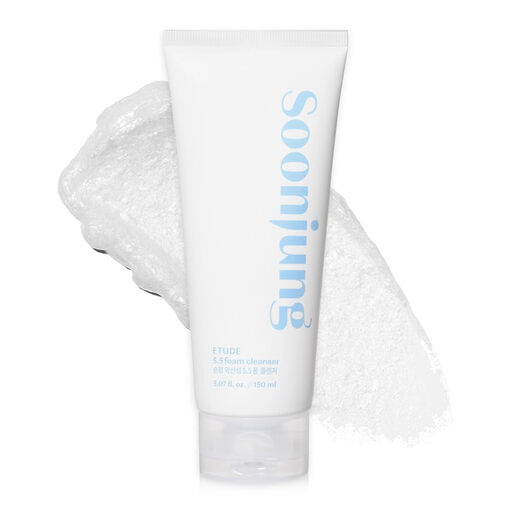
Why This Fits Their Persona: An option for those who prefer a gentle facial cleanser with a low pH and a streamlined formula.
The stated pH of 5.5 is specific and verifiable; the product description also states that it is free from fragrance and synthetic colourants.
150 ml; with panthenol and madecassoside according to the INCI listing.
Browse the full selection of facial cleansers and cleansing foams for different skin types, textures, and skincare needs.
Discontinue use if redness, itching, stinging, or swelling occurs. Do not apply products to broken or inflamed skin.
This depends on your skin type and the rest of your skincare routine. Many products are designed for morning and evening use. For dry or sensitive skin, cleansing once in the evening may be sufficient if that feels more comfortable.
A low-pH cleanser is a facial cleanser with a mildly acidic pH, typically between 5 and 6. These products are designed to cleanse the skin in a way that is close to its natural acidic environment. However, pH should always be assessed alongside the complete INCI list.
Lightweight gel or foam formulas may be suitable for oily skin. For blemish-prone skin, many users look for products containing BHA or salicylic acid. Start cautiously, follow the manufacturer’s directions, and avoid combining several highly exfoliating products unless your skin has demonstrated sufficient tolerance.