
Lieferung heute & morgen

Qualitätsgarantie

Willkommens-Angebote freischalten: KOSTENLOSE Lieferung | Bis zu 80 % RABATT | Kostenlose 30-Tage-JoyPlus-Testphase
App herunterladen
A facial cleanser is part of many people’s daily skincare routine. Even so, choosing the right one often ends in disappointment: your skin feels tight after washing, starts to look shiny again shortly afterwards or reacts with redness. Men and women with dry, oily, sensitive or blemish-prone skin do not necessarily need the same formula.
The product description on the packaging is only a starting point. Terms such as “pore cleansing”, “moisture boost” or “for all skin types” reveal little about whether a product will feel comfortable and work well in your individual routine. What matters is the cleansing agent, how you use it and how well your skin tolerates the ingredients.
A highly degreasing facial cleansing gel can make your skin feel especially clean immediately after use. However, with dry or sensitive skin, this sensation may indicate that too much of the skin’s natural oils have been removed. Tightness, flaking or stinging are signs that you should stop using the formula.
A pore cleanser can remove surface residue, sebum and make-up. It does not permanently change the size of your pores. If you are prone to blemishes, you should also avoid scrubbing vigorously or cleansing several times a day. Mechanical irritation can place additional stress on the skin.
Glycerin, panthenol, hyaluronic acid or plant extracts may be included in a formula, but this does not automatically mean that they will have a specific effect on your skin. With acids, fragrances, essential oils or menthol, individual tolerance is particularly important. Always refer to the current INCI list on the product packaging, as formulas can change.
Creamy textures or a moisturising facial cleanser containing glycerin, betaine or similar moisture-binding ingredients are often suitable for dry skin. A facial cleansing foam can feel pleasant thanks to its airy texture, but it should not necessarily be highly degreasing.
Oily skin and a cleanser for excess sebum need thorough cleansing, but not necessarily an aggressive formula. With combination skin, it can be helpful to cleanse the forehead, nose and chin particularly carefully, while using less product and a shorter massage time on dry cheeks.
A facial cleanser for men does not automatically need to be formulated more strongly. Beard growth, shaving and more frequent sebum production can make a gel or foaming texture practical, however. If you shave with the product, follow the manufacturer’s instructions.
Surfactants dissolve dirt, sun protection, make-up and skin oils. Mild systems such as cocamidopropyl betaine, amino-acid surfactants or sodium cocoyl glutamate are often used in gentle formulas. This alone does not guarantee that a product will be well tolerated.
When choosing a facial cleanser for sensitive skin, it is worth checking for parfum, essential oils, menthol and fragrance allergens that must be declared. A short INCI list is not automatically better; what matters more is whether the ingredients suit your skin.
Gel, foam and creamy cleansers mainly differ in how they feel on the skin and how they are dispensed:
Moisten your face with lukewarm water. Apply a small amount gently, then rinse thoroughly. Hot water, lengthy massages and washing with a rough cloth are avoidable sources of irritation.
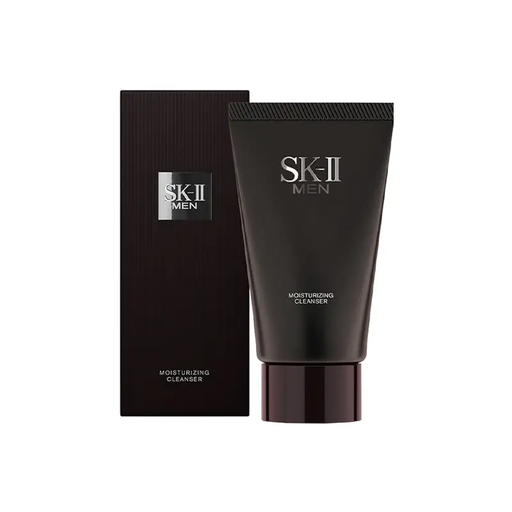
Why this product suits this profile: The 120g tube is designed for a regular morning and evening routine. According to the product description, the formula contains glycerin and hydrolysed silk protein.
The stated foaming texture and listed moisturising ingredients discourage choosing a cleanser based solely on a strongly degreasing wash sensation.
120g pack, glycerin listed in the product description and designed for daily facial cleansing.
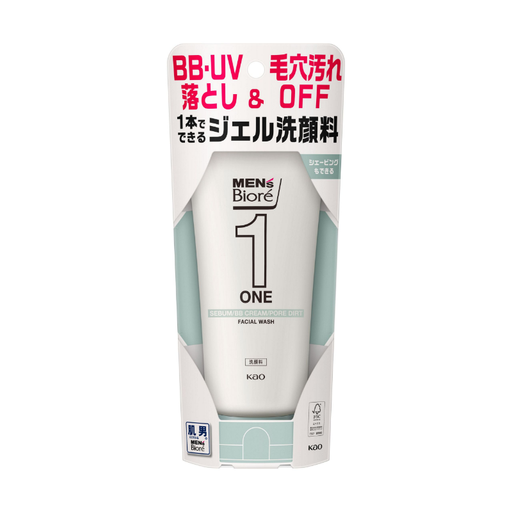
Why this product suits this profile: According to the product description, the non-foaming gel is designed for facial cleansing, removing light make-up and shaving.
The clear “no lathering” description prevents false expectations about the texture. According to the usage instructions, it is not intended for damaged or irritated skin.
200g contents, non-foaming gel texture and, according to the product description, suitability for light make-up removal and shaving.
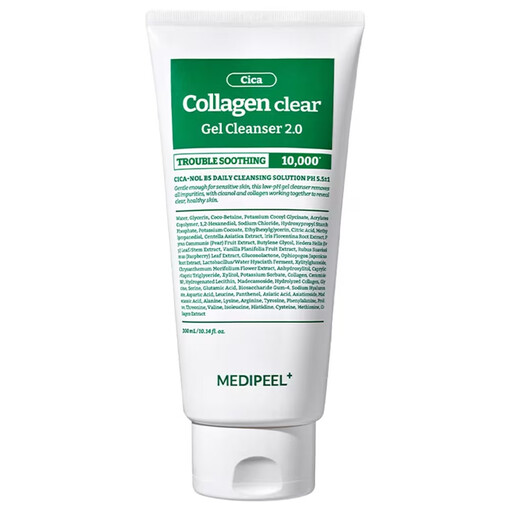
Why this product suits this profile: According to the product description, the cleansing gel contains Centella asiatica extract, glycerin, allantoin and hydrolysed collagen, and is particularly intended for sensitive skin.
The formula description refers to gentle cleansing without disrupting the skin’s natural feel. If you know your skin is sensitive, you should still carry out a patch test.
120 ml contents, plus the listed ingredients Centella asiatica, allantoin and glycerin.
We have put together a complete, regularly updated list of products that fully meet these strict selection criteria and the safety regulations applicable in the EU.
Cleanse your face once or twice a day, depending on your skin type, perspiration, sun protection and make-up. If you have dry or sensitive skin, cleansing with water in the morning and using a mild product in the evening may be sufficient. Oily skin does not automatically need to be washed more frequently.
New products should initially be tested on a small area of skin. If you experience stinging, persistent redness, a rash or a noticeable worsening of your skin, stop using the product. Salicylic acid, AHA acids, fragrances and essential oils may not be suitable for everyone. A facial cleanser is also not a substitute for dermatological treatment if you have pronounced or persistent skin problems.
For many skin types, using a cleanser in the evening is helpful for removing perspiration, dirt and sun protection. A second cleanse in the morning may be suitable if your skin becomes very oily. If you have dry or sensitive skin, adjust the frequency according to how your skin feels.
The best-before date and the open-jar symbol on the packaging are the key points of reference. For products containing water, a foaming pump or active ingredients, follow the recommended period of use. Changes in smell, colour or consistency indicate that the product should be discarded.
No. Price, brand positioning and packaging do not prove that a product is better suited to a particular skin type. Instead, compare the ingredients, quantity, texture, usage instructions and your own tolerance requirements.