
Lieferung heute & morgen

Qualitätsgarantie

Willkommens-Angebote freischalten: KOSTENLOSE Lieferung | Bis zu 80 % RABATT | Kostenlose 30-Tage-JoyPlus-Testphase
App herunterladen
A facial cleanser is part of many people’s morning and evening skincare routines. Choosing one, however, isn’t always straightforward. Cleansing gels, foaming cleansers, cleansing milks and Korean facial cleansers can differ in their surfactants, fragrance, pH, feel on the skin and intended use.
If you focus only on claims such as “deep-cleansing”, “clarifying” or “extra hydrating”, you could easily end up with a product that’s too harsh for your skin. The right cleanser is therefore less about marketing claims and more about your skin type, the ingredients and how you plan to use it.
A rich lather can leave your skin feeling clean, but that alone doesn’t tell you how gentle a product is. Cleansers that strip away too much oil can feel uncomfortable on dry or sensitive skin. Oily skin can also feel tight after using a cleanser that’s too harsh.
So, look at the formula as a whole. Glycerin, panthenol or hyaluronic acid can help care for the skin, but what matters most is how your skin feels after rinsing.
A low-pH facial cleanser is often slightly acidic. Products such as the Low-pH Good Morning Cleanser and the Etude SoonJung pH 5.5 Foam Cleanser state a specific pH or describe their formula as mildly acidic. They may appeal if you’re looking for a cleanser that feels gentle on the skin.
But pH doesn’t replace checking for fragrance, essential oils and ingredients you may be sensitive to. If you have sensitive skin, check the full INCI list on the packaging.
A facial cleanser for spots or blemish-prone skin is often marketed with clarifying ingredients such as salicylic acid, BHA or tea tree oil. These products may suit oily or blemish-prone skin, but they’re rinse-off cosmetics and won’t automatically resolve persistent skin problems.
If you experience redness, stinging or worsening symptoms, stop using the product and seek dermatological advice if needed.
The INCI list shows which surfactants, skincare ingredients, fragrances and preservatives a product contains. Here are some examples from our selection:
Ingredients and formulas can change, so always check the product packaging before you buy.
A facial cleanser is usually applied to damp skin, massaged in briefly and rinsed off with lukewarm water. Rubbing too hard or using very hot water can put extra strain on your skin. If you wear make-up or water-resistant sunscreen, an oil-based cleanser may be a useful first step in the evening, followed by a water-based foaming cleanser.
You’ll usually only need a small amount. Larger packs, such as 470 ml or 500 ml, can be handy if you use cleanser frequently, while 20- or 25-ml sizes are useful for travel or trying a product out.
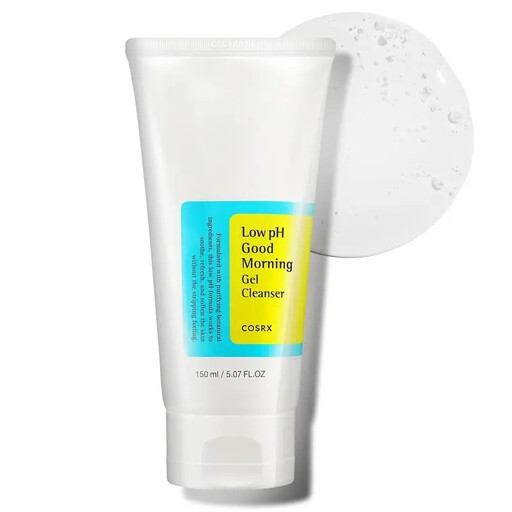
Why it suits this profile: Its gel texture, stated mildly acidic formula and 150-ml size make it a good option if you’re looking for an uncomplicated Korean facial cleanser to use morning and evening.
The product description is clearer about its pH and how to use it than it is about broad “pore” claims. If you have sensitive skin, check for tea tree oil and review the full INCI list.
Light gel texture, 150 ml size and stated use twice a day.
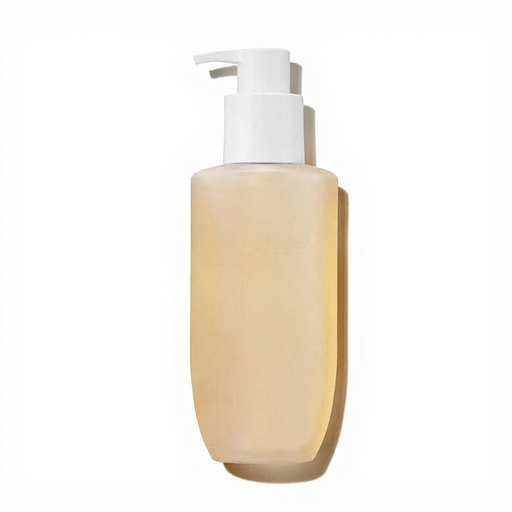
Why it suits this profile: Its rich foam texture and 200 ml size make it a good fit for a regular K-beauty routine, particularly as a second step after an oil-based cleanser.
Using it after an oil-based cleanser is clearly explained. Fragrance and limonene are listed among the ingredients, so bear them in mind if you have sensitive skin.
Rich foam texture, 200 ml size and a clear role in a double-cleansing routine.
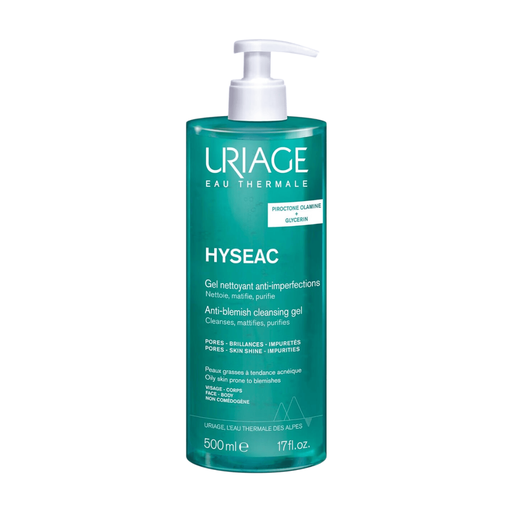
Why it suits this profile: The 500-ml size and stated suitability for face and body make it a practical choice for households where it’s used regularly for different cleansing needs.
The product details state a physiological pH of 5.5, a soap-free formula and specific warnings. Check the listed fragrance to make sure it suits your skin.
500 ml size, light foaming gel texture and suitable for face and body.
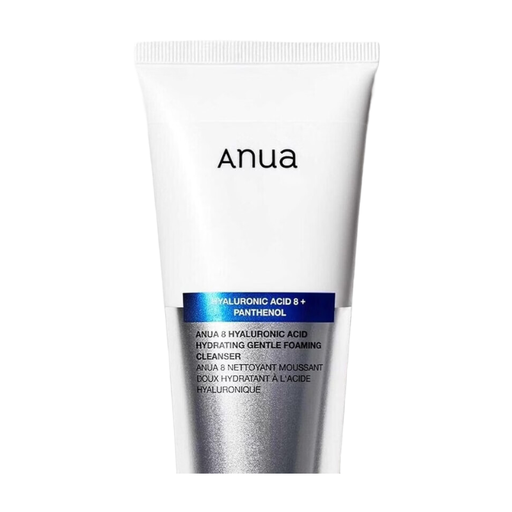
Why it suits this profile: Amino-acid and plant-based surfactants, panthenol, betaine and several forms of hyaluronic acid make this an interesting option for a hydrating daily facial cleanse.
Rather than relying solely on claims about powerful oil removal, the product description names specific hydrating and cleansing ingredients. Stop using it if redness or irritation occurs.
150 ml size, foaming mousse texture and listed ingredients such as panthenol, betaine and Zinc PCA.
We’ve put together a complete, regularly updated list of products that meet these strict selection criteria and comply with the safety regulations in force in the EU.
Try any new product on a small area of skin first. Stop using it if you experience stinging, a rash or persistent redness.
Many products are intended for use morning and evening. If you have dry or sensitive skin, you may find it helpful to rinse with water in the morning and use your cleanser in the evening. How your skin feels matters more than sticking to a set frequency.
Light cleansing gels or foaming textures are options for oily skin. For blemish-prone skin, people often look for products containing salicylic acid, BHA or tea tree oil. These ingredients can still cause irritation for some people. Check the concentration, directions for use and the rest of your skincare routine.
Check the best-before date and the symbol showing how long the product can be used after opening. Keep the packaging closed, store it somewhere dry and avoid direct sunlight. Don’t continue using the product if its smell, appearance or feel on your skin changes.