
Lieferung heute & morgen

Qualitätsgarantie

Willkommens-Angebote freischalten: KOSTENLOSE Lieferung | Bis zu 80 % RABATT | Kostenlose 30-Tage-JoyPlus-Testphase
App herunterladen
A facial cleanser is part of many people’s morning and evening routines. Yet choosing one often leads to disappointing purchases: a product might lather richly but leave your skin feeling tight afterwards. Another might not remove make-up completely, or contain active ingredients that don’t suit your personal skin sensitivity when used daily.
1. Lots of foam is mistaken for a thorough cleanse.
A rich texture alone says little about tolerance or cleansing performance. What really matters are the surfactants used, the contact time, and how your skin reacts afterwards. Feelings of tightness, stinging, or noticeable dryness are signs that your routine needs reviewing.
2. ‘Pore cleansing’ is often over-interpreted.
A pore-cleansing face wash can remove surface residue, excess sebum, or leftover make-up. However, a cleanser cannot permanently change the visible size of your pores. Claims like ‘deep pore’ or ‘against spots’ should therefore be considered alongside the specific ingredients.
3. One product for every purpose isn’t always enough.
A face wash gel or foaming facial cleanser is often suitable for water-soluble residue. Waterproof make-up and sunscreen, on the other hand, are usually easier to remove with a facial cleansing oil or facial cleansing balm. Double cleansing can be useful, but it isn’t necessary for every skin type or routine.
For dry or sensitive skin, mild surfactants and nourishing ingredients such as glycerin, panthenol, or niacinamide are relevant points of reference. A facial cleanser for sensitive skin should cause as little additional irritation as possible. Fragrances, essential oils, or exfoliating acids can be problematic for some individuals, even if they are generally permitted in cosmetic products.
Oily, blemish-prone, or pore-clogged skin can benefit from a more targeted formulation. Salicylic acid (BHA) is an ingredient used in some products for cleansing and removing excess sebum. However, this is not a medical efficacy claim and does not replace dermatological advice for persistent skin issues.
A low-pH facial cleanser usually falls within the slightly acidic range. Only take the exact pH value into account if the brand explicitly states it. One example is the AXIS-Y Sunday Morning Refreshing Cleansing Foam, whose product description mentions a pH of 5.5. A mild pH can be of interest to people who tend to feel tightness after washing.
More important than a single marketing term is practical observation: does your skin feel pleasantly clean after drying, or dry and tight? Water temperature also matters. Lukewarm water is generally less harsh than very hot water.
Also check the pack size. A 20 ml product can be handy as a travel size, while 150 or 470 ml will last longer for a regular routine. The actual usage duration depends on the amount you use and how often you cleanse.
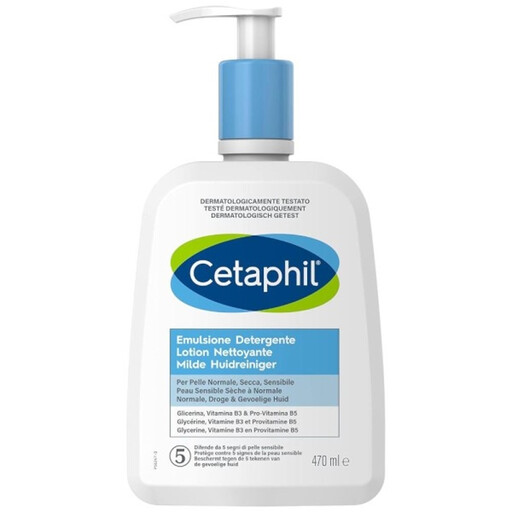
Why this product fits the profile: The large 470 ml bottle and short, straightforward ingredient list make it ideal for simple daily facial cleansing without switching between specialist products.
According to product information, the formulation uses glycerin, panthenol, and niacinamide, without promoting any particularly intensive exfoliating or pore effect.
470 ml content; suitable for morning and evening use; can be rinsed off or removed with a soft cloth according to the product instructions.
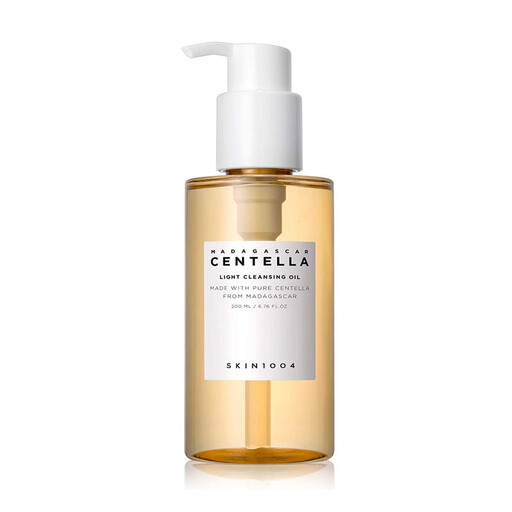
Why this product fits the profile: The lightweight oil texture is designed to dissolve make-up, sunscreen, and residue, complementing a structured Korean skincare routine.
The instructions clearly describe the order: apply to dry skin, massage, emulsify with water, and rinse thoroughly. This prevents the oil cleanser from being mistaken for a classic foaming cleanser.
200 ml content; transforms into a milky emulsion on contact with water; plant-based oils are listed in the ingredients.
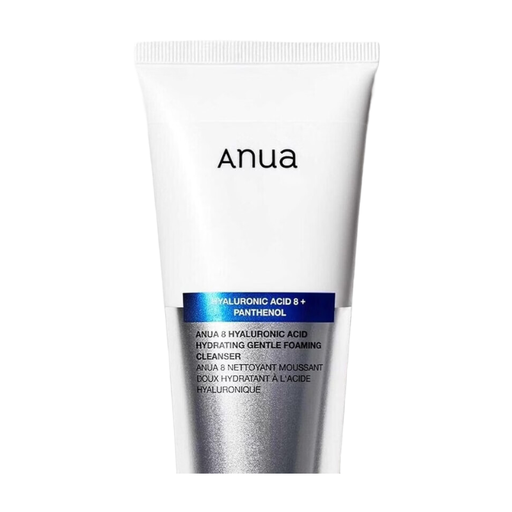
Why this product fits the profile: The combination of amino acid and plant-based surfactants, panthenol, betaine, and several hyaluronic acid complexes is designed for a gentle, hydration-focused cleanse.
The term ‘Hydrating’ is backed up by specific ingredients. However, even with a hydration-oriented formula, you should still check the full INCI list and your individual tolerance.
150 ml content; eight listed hyaluronic acid complexes; zinc PCA and panthenol according to the ingredient list.
We’ve put together a full, regularly updated list of products that meet these strict selection criteria and comply with EU safety regulations.
Use a small amount and massage the facial cleanser without applying too much pressure. With a cleansing oil or cleansing balm, your skin should be dry first, unless the packaging states otherwise. Active formulas containing acids should not automatically be used twice a day. Check the manufacturer’s instructions, the best-before date, and the batch number on the packaging. If you experience redness, itching, or stinging, stop using the product.
Many products are designed for morning and evening use. For dry or sensitive skin, a single cleanse in the evening may be sufficient, while water or a very mild cleanser is enough in the morning. What matters most is how your skin feels, the product instructions, and your individual tolerance.
The specific date and, where applicable, the symbol for the period after opening are on the packaging. Close the product after use and store it in a dry place away from direct sunlight and heat. Changes in smell, colour, or texture are reasons to check whether the product is still suitable.
For waterproof make-up or stubborn sunscreen, a cleansing oil or cleansing balm can be useful as a first step. A mild foam or gel cleanser can then follow. If you don’t use oily residue or hard-to-remove products, you don’t necessarily need a double cleanse.