
Lieferung heute & morgen

Qualitätsgarantie

Willkommens-Angebote freischalten: KOSTENLOSE Lieferung | Bis zu 80 % RABATT | Kostenlose 30-Tage-JoyPlus-Testphase
App herunterladen
A facial cleanser is part of many people’s daily skincare routine. Even so, choosing the right one often leads to disappointing purchases: one product may cleanse thoroughly but leave your skin feeling tight. Another may promise pore-cleansing benefits while also containing fragrances or acids that are not always suitable for sensitive skin.
The main pitfalls usually lie not in the external design, but in the formulation and how the product is used:
Surfactants dissolve dirt, excess sebum and skincare product residue. Common mild cleansing systems are based, for example, on amino acids, glucosides, isethionates or betaines. A mild facial cleanser containing these surfactants may be worth considering for daily use, especially if you have dry or sensitive skin.
A rich cleansing foam feels pleasant, but on its own it says little about how well the product will suit your skin. Also check the complete INCI list. For dry skin, a formulation containing glycerin, panthenol, hyaluronic acid or amino acids may be helpful. These ingredients do not replace follow-up skincare, but they can affect how your skin feels after rinsing.
A low-pH cleanser is typically slightly acidic. Products such as the Low-pH Good Morning Cleanser or the ETUDE SoonJung pH 5.5 Foam Cleanser indicate, according to their product descriptions, a pH value close to that of the skin.
Even so, pH is not the only indication of quality. Also check:
When choosing a facial cleanser for sensitive skin, a short, gentle application with lukewarm water is usually more suitable than vigorous rubbing or very hot water.
A pore cleanser may work mechanically, chemically or through absorbent ingredients such as clay. BHA is oil-soluble and is often used in products for oily or blemish-prone skin. LHA, such as Capryloyl Salicylic Acid, is also used for gentle exfoliating cleansing.
This does not mean that a facial cleanser for blemishes medically treats skin problems. Its effects depend on the concentration, contact time and how well your skin tolerates it. When using products containing acids, applying sun protection during the day is recommended. Stop using the product if you experience redness, burning or persistent irritation. The current ingredients list on the packaging is the definitive source, as formulations may change.
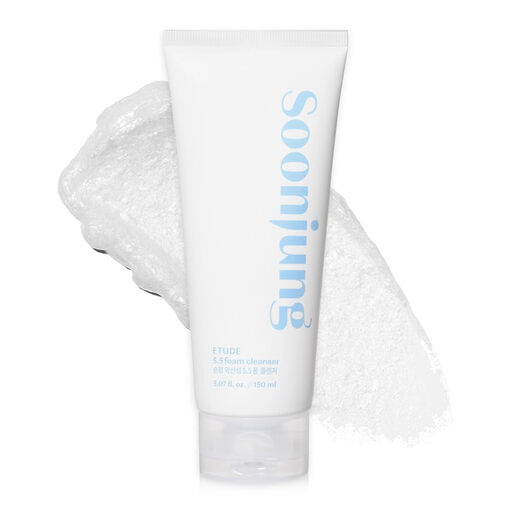
Why this product suits this profile: The 150ml size and straightforward use with water make this cleansing foam easy to incorporate into the everyday routine of K-Beauty beginners.
According to the product information, the formulation is free from fragrances, parabens and synthetic colourants, and has a pH of 5.5.
Panthenol and madecassoside; gentle cleansing with a creamy foam.
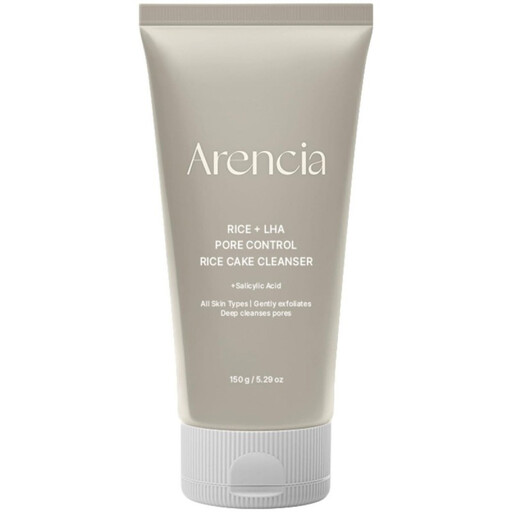
Why this product suits this profile: For users who want to combine facial cleansing, gentle exfoliation and a distinctive texture in one product.
The product description mentions LHA and three uses: as a cleanser, exfoliator and mask. This allows you to adjust how you use it rather than automatically cleansing intensively every day.
Rice extract and Capryloyl Salicylic Acid; 150 ml contents and a creamy, sticky “Rice Cake” texture.
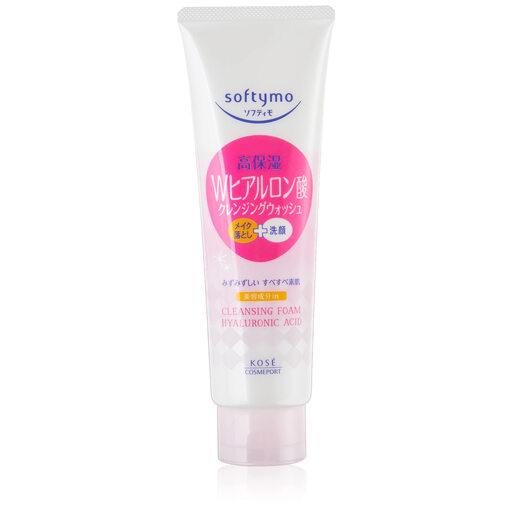
Why this product suits this profile: The generous size is suitable for people who cleanse morning and evening and prefer a long-lasting Japanese product.
The formulation contains two hyaluronic acid derivatives and glycerin. However, people with sensitive skin should still check the INCI list and carry out a patch test.
190 g contents; creamy foam with hyaluronic acid and amino acid derivatives.
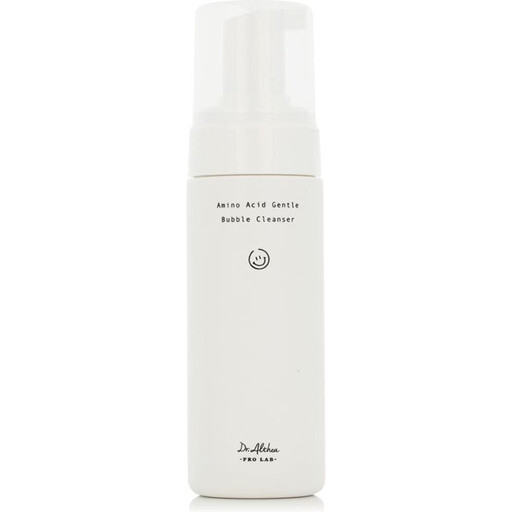
Why this product suits this profile: This pre-lathered bubble cleanser can be spread without vigorous rubbing and is designed for a simple daily routine.
According to the product information, the formulation contains 17 amino acids, glycerin and Ceramide NP. At the same time, limonene is listed as a component of orange oil.
Vegan according to the product description; 140 ml contents and a water-based foam formula.
If you wear waterproof make-up or sunscreen, a two-step cleanse may be helpful in the evening. A facial cleanser alone does not have to remove every type of make-up reliably. When using products containing acids, gradually adjust how often you use them. A patch test on a small area of skin can provide additional guidance before you use the product fully for the first time.
We have put together a complete, regularly updated list of products that fully meet these strict selection criteria and the safety regulations applicable in the EU.
For many people, cleansing once in the evening is enough to remove dirt, sweat and sunscreen. If you have oily skin, cleansing morning and evening may be suitable. Dry or sensitive skin often benefits from a less intensive routine.
The best-before date and the PAO symbol on the packaging, such as “12M”, are the key indications. Keep the cleanser closed, dry and protected from direct sunlight. If its smell, colour or consistency changes noticeably, stop using the product.
No. Price, packaging and brand positioning are no substitute for checking the INCI list, pH information, fragrances and surfactants. When choosing a cleanser, consider your skin type, the desired cleansing strength, the quantity and how you plan to use it.