
Lieferung heute & morgen

Qualitätsgarantie

Willkommens-Angebote freischalten: KOSTENLOSE Lieferung | Bis zu 80 % RABATT | Kostenlose 30-Tage-JoyPlus-Testphase
App herunterladen
Not all cleansers remove make-up, sun protection, sebum and dirt equally well. A facial cleanser for removing make-up should suit the cosmetics you use, your skin and how you prefer to cleanse. Cleansing oils, cleansing balms and micellar water differ considerably in texture, how you use them and whether they need rinsing off.
As a Joybuy Product Recommendation Officer, I assess product information against clear criteria. This can help you avoid common misbuys, rather than relying solely on claims such as ‘pore cleansing’, ‘gentle’ or ‘for all skin types’.
A general suitability claim is no substitute for checking the full INCI list. Fragrances, essential oils or certain preservatives may not be suitable for some people. If you have sensitive skin, a product with a relatively simple formula and clear instructions is often easier to assess.
Waterproof mascara, long-wearing lipstick and foundation usually need an oil-based or bi-phase cleanser. Rubbing hard with a dry cotton pad can put unnecessary strain on your skin. It’s better to let the product dissolve the make-up for a few seconds, then wipe it away without pressing.
A cleansing oil can dissolve oily residue and make-up. That doesn’t automatically mean it will permanently clear clogged pores. Claims about improving skin conditions should be treated with caution. If you have persistent concerns or inflammation, it’s a good idea to seek advice from a dermatologist.
A cleansing oil is usually applied to dry skin, then emulsified with water. It turns milky and can then be rinsed off. A cleansing balm starts out solid and melts with the warmth of your skin, behaving much like an oil afterwards. These textures are particularly useful if you regularly remove sun cream or long-wearing make-up.
Check that the instructions are clear: whether to use dry or damp hands, how much water to add and whether to rinse afterwards. A product that’s difficult to emulsify may leave a film or lead you to rub your skin for longer.
Oil-based textures can feel comfortable on dry skin, as they require less rubbing to remove make-up. If you have sensitive skin, pay particular attention to fragrances and essential oils. That doesn’t mean every fragranced product will cause a reaction; your own skin’s response is what matters.
For blemish-prone skin, claims such as ‘non-comedogenic’ are worth noting, but they don’t guarantee that a product will suit you personally. Check the packaging and, if you’re unsure, try a small amount on your skin first. Stop using the product if you experience redness, itching or stinging.
Micellar water is applied to a cotton pad and is handy for a quick, light cleanse. Depending on the product, rinsing afterwards may be a good idea, even if the label says ‘no rinsing required’. For waterproof make-up, micellar water specifically designed for it or a cleansing oil may be a better choice.
With double cleansing, you follow an oil- or balm-based first step with a water-based cleanser. This can be especially useful if you’ve worn plenty of sun protection or long-wearing make-up. However, it isn’t essential for everyone or for every daily cleanse.
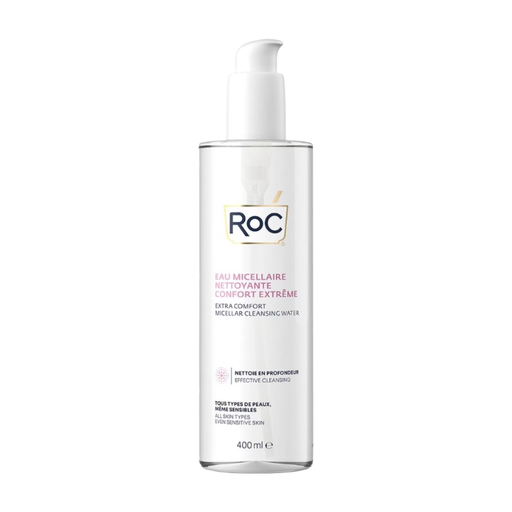
Why this product suits this profile: Its lightweight liquid texture and 400 ml size make it a straightforward choice for cleansing with cotton pads, whether you’re removing light make-up or following a quick evening routine.
The product description says it can be used on the face, eyes and lips, and that it’s formulated without fragrance or alcohol. This makes it easier to choose, but doesn’t replace checking how your skin responds.
Liquid micellar water texture, 400 ml size and, according to the product information, no need to rinse.
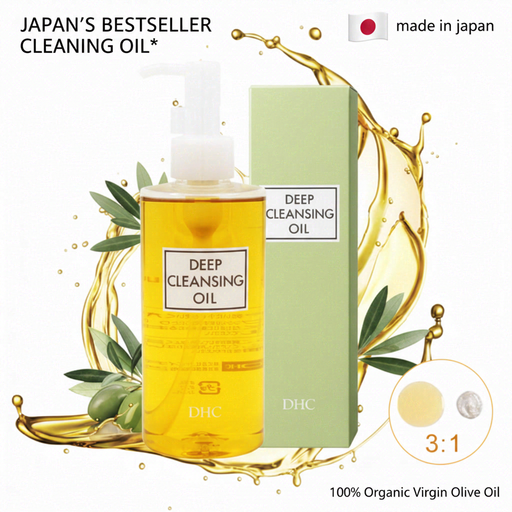
Why this product suits this profile: This Japanese cleansing oil comes with clear instructions: use 2 to 3 pumps, massage into dry skin, then emulsify with water.
The product information specifically advises using dry hands and checking the current INCI list on the packaging.
200 ml size, water-soluble emulsification and detailed product instructions.
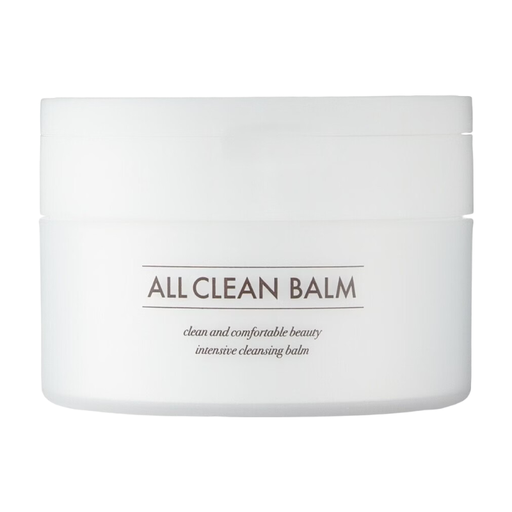
Why this product suits this profile: This solid balm is handy if you prefer a compact texture and regularly remove make-up and sun protection as part of a double-cleansing routine.
The instructions explain each step: apply to dry skin, emulsify with water and rinse thoroughly. This makes the routine easy to follow.
120 ml size, balm-to-oil texture and, according to the product description, rinsing is part of the routine.
We’ve put together a complete, regularly updated list of products that meet these strict selection criteria and fully comply with the safety regulations in force in the EU.
For waterproof make-up, it can help to leave the product on briefly before removing it. If you’re using micellar water, make sure the cotton pad is well soaked; repeated vigorous wiping isn’t a sign of a better cleanse.
Cleansing oil, cleansing balm or micellar water specifically labelled for waterproof make-up are all options. Oil-based products are usually applied to dry skin and then emulsified. How well they work depends on the formula and the make-up you’re wearing.
No. If you emulsify and rinse the product off thoroughly, one cleanse may be enough. If you’ve worn plenty of sun protection or long-wearing make-up, or you prefer to double cleanse, you can follow with a mild gel or foam cleanser.
Check the open-jar symbol, the best-before date and the information on the packaging. Some products, for example, state that they should be used within 6 or 12 months of opening. If the smell, colour or consistency changes, stop using the product.