
Lieferung heute & morgen

Qualitätsgarantie

Willkommens-Angebote freischalten: KOSTENLOSE Lieferung | Bis zu 80 % RABATT | Kostenlose 30-Tage-JoyPlus-Testphase
App herunterladen
The world of facial cleansers is vast, and finding the right product for your skin's needs can be a challenge. An unsuitable cleanser can weaken the skin barrier, leading to dryness or increased breakouts. This guide is designed to help you understand how different facial cleansers work and make an informed decision tailored to your skin's specific requirements.
As your Joybuy Product Recommendation Officer, I have filtered through market information to provide you with objective and practical guidance. The goal is to offer clear direction so you can find a product that cleanses effectively while supporting your skin's natural balance.
Before you decide on a product, a few key considerations can help. The following points can serve as a guide to narrow down your options.
A cleanser's texture is often a good indicator of its suitability for certain skin types.
The active ingredients in a facial cleanser determine its specific function beyond simple cleansing.
Based on the criteria above, we have compiled a selection of products with different specialities. This overview is intended to help you compare the features of each cleanser.
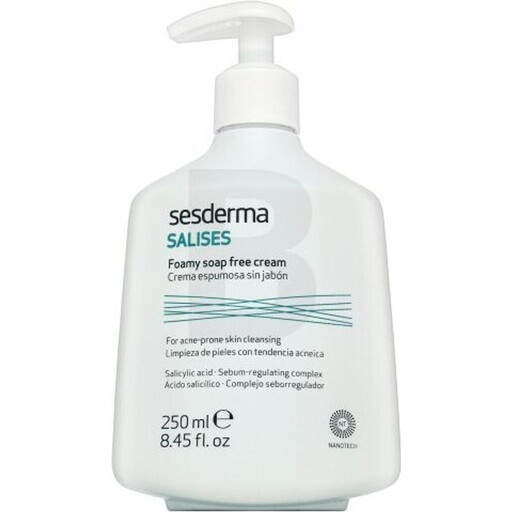
What Makes This Product Stand Out This soap-free foaming cleanser was specially developed for the needs of oily skin. The formula combines salicylic acid for deep pore cleansing and sebum regulation with soothing plant extracts like chamomile, oat, and aloe vera. This combination aims to effectively clarify the skin without irritating or drying it out.
Benefits
Who is it for? Individuals with oily or acne-prone skin who are looking for a clarifying cleansing solution that is also gentle on the skin.

What Makes This Product Stand Out The Ordinary Glycolipid Cream Cleanser is a cream cleanser designed to protect the skin barrier during cleansing. The formula is based on glycolipids, a very mild cleansing agent, and squalane, a skin-identical lipid that provides moisture. The creamy texture cleanses gently without foaming, leaving the skin feeling soft and hydrated.
Benefits
Who is it for? Users of all skin types who prefer a particularly gentle, non-foaming cleanse. Ideal for those with sensitive skin, dry skin, or anyone looking to specifically strengthen their skin barrier.
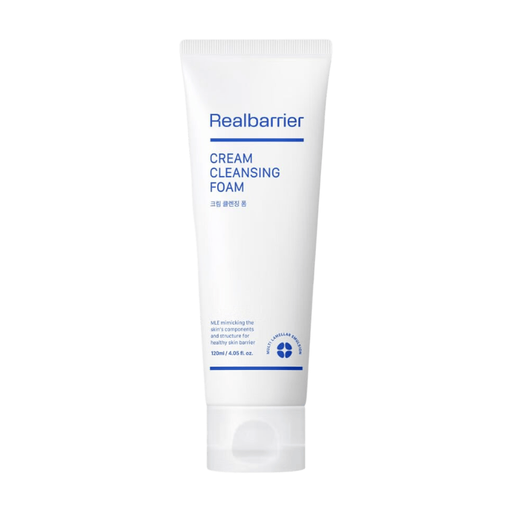
What Makes This Product Stand Out This creamy foaming cleanser uses the brand's patented MLE (Multi-Lamellar Emulsion) technology, which is structured to mimic the skin's natural lipid barrier. Enriched with ceramides, panthenol, and madecassoside, this product cleanses thoroughly while supporting the skin's regeneration and protection. It transforms with water into a dense foam that removes dirt and sebum without leaving a tight feeling.
Benefits
Who is it for? Ideal for individuals with dry, sensitive, or compromised skin who want an effective cleanse that also nourishes and strengthens the skin barrier.
If our selection doesn't yet include the perfect product for you, or if you're looking for a different texture, explore a wider range of options in our Cream Cleansers category.
1. How often should you use a facial cleanser? For most skin types, cleansing twice a day is recommended: in the morning to remove sebum and sweat produced overnight, and in the evening to wash away makeup, sunscreen, dirt, and pollutants from the day. For very dry or sensitive skin, a single, thorough cleanse in the evening may be sufficient.
2. What is the difference between a cleansing gel and a cream cleanser? A cleansing gel is typically water-based, lathers well, and is designed to effectively remove excess oil, making it ideal for oily skin. A cream cleanser has a richer, lotion-like texture, lathers little to not at all, and contains nourishing oils or fats. It cleanses more gently and helps to preserve moisture in dry or sensitive skin.
3. Can a facial cleanser alone reduce blemishes? A facial cleanser, especially one with active ingredients like salicylic acid, is an important first step in a skincare routine for blemish-prone skin. It can help keep pores clear and reduce excess sebum. However, for the comprehensive treatment of blemishes, it is usually part of a broader routine that may also include serums, moisturisers, and, if necessary, specific treatments.