
Lieferung heute & morgen

Qualitätsgarantie

Willkommens-Angebote freischalten: KOSTENLOSE Lieferung | Bis zu 80 % RABATT | Kostenlose 30-Tage-JoyPlus-Testphase
App herunterladen
A facial cleanser is part of many people’s daily routine. Even so, choosing the right one is not always straightforward: face wash gel, cleansing foam, cleansing milk and Korean facial cleansers can differ significantly in texture, surfactants, pH value and skincare ingredients. What matters is not eye-catching packaging, but whether the product suits your skin type, cleansing needs and routine.
A dense foam can feel pleasant, but on its own it says little about how well a product suits your skin. Strongly degreasing formulas can leave your skin feeling tight after washing. This is particularly important if you have dry or sensitive skin. A gentle facial cleanser should remove dirt, excess sebum and residue without putting unnecessary strain on the skin.
A moisturising facial cleanser may contain caring ingredients such as glycerin, panthenol or hyaluronic acid. However, as the product is rinsed off, it cannot replace your subsequent skincare routine. Check the complete INCI list and look out for fragrance or essential oils if your skin is sensitive to them.
A facial cleanser containing salicylic acid may be worth considering if you have oily or blemish-prone skin. However, this type of formula is not automatically suitable for dry or irritated skin. A low-pH facial cleanser is not a guarantee of good tolerance either: the formula as a whole and your individual skin response are what count.
A pH value in the mildly acidic range is often described as being close to the skin’s natural pH. With products that state a specific value, such as pH 5.5, this criterion is easier to assess than with general claims such as “balanced”. The term “low pH” should therefore be supported by the product description or packaging information.
It is worth checking the INCI list for the surfactants used. Amino-acid-based or gentle surfactant systems may be an option for daily facial cleansing. The amount of foam alone is not an objective measure of quality.
50 ml sizes are ideal for travelling or trying a product, while 120 to 470 ml can be more practical for regular use at home. A pump dispenser makes it easier to control the amount of foaming cleanser used. In a double-cleansing routine, a water-based facial cleanser is often used after an oil or balm cleanser. Whether this is necessary depends on your make-up, sun cream and personal routine.
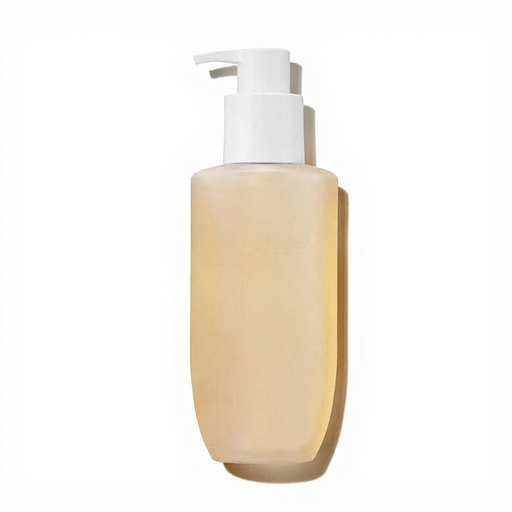
Why this product suits the profile: The 200 ml size and foaming texture are designed for regular use. According to the product description, the formula contains, among other ingredients, dokudami and Japanese apricot extracts.
The product description sets out how to use it, its ingredients and its place after an oil-based cleanser. This makes it easier to assess where it fits into your evening routine.
200 ml content, rich foaming texture and botanical extracts according to the manufacturer’s information.
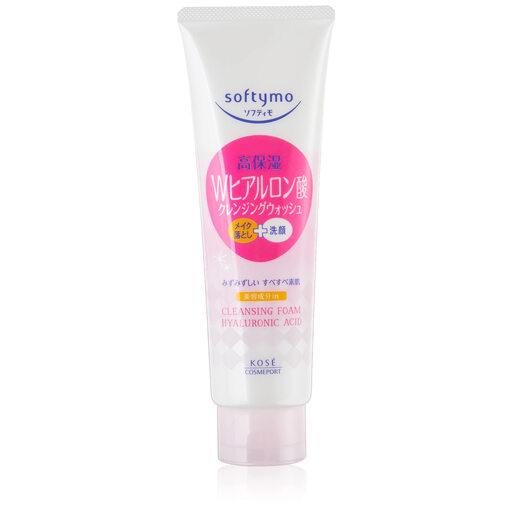
Why this product suits the profile: The 190 g size is designed for regular use at home. Its two stated forms of hyaluronic acid, together with glycerin, place it in the category of moisture-focused facial cleansers.
The specific ingredient list shows that “hyaluronic acid” is not merely a general marketing claim here. Before buying, the actual formula should be checked against the packaging.
190 g content, creamy foam and Sodium Hyaluronate plus Sodium Acetylated Hyaluronate according to the product information.
We have put together a complete, regularly updated list of products that fully meet these strict selection criteria and the safety regulations applicable in the EU.
Moisten your face and hands with lukewarm water, apply a small amount of product to your palms and massage it in without applying heavy pressure. Then rinse thoroughly and pat your skin dry. Very hot water and prolonged rubbing can make your skin feel worse.
The shelf life and the symbol indicating the period of use after opening are shown on the relevant packaging. Do not continue using the product if its colour, smell or consistency changes. Product sizes of 150 to 200 ml are often practical for everyday use; how long they actually last depends on the amount used and how often you apply them.
For many routines, using one in the morning and evening is sufficient. If you have dry or sensitive skin, cleansing once in the evening may feel more comfortable. Your skin’s response, the product formula and the residue you want to remove are the key factors.
Look for gentle surfactants, a clearly stated pH value and as few potentially irritating fragrances as possible. A patch test on a small area of skin may be sensible before using the product fully. If redness, itching or a burning sensation persists, stop using the product and seek dermatological advice.
Hyaluronic acid may be a useful selection criterion for a moisture-focused facial cleanser. As the cleanser is rinsed off, you should apply suitable skincare afterwards. Also check whether the specific form of hyaluronic acid is listed in the INCI and whether the rest of the formula suits your skin.