
Lieferung heute & morgen

Qualitätsgarantie

Willkommens-Angebote freischalten: KOSTENLOSE Lieferung | Bis zu 80 % RABATT | Kostenlose 30-Tage-JoyPlus-Testphase
App herunterladen
A facial cleanser is part of many people’s daily skincare routine. Yet choosing one can often lead to disappointing purchases: one product lathers well but leaves skin feeling dry, while another doesn’t remove make-up completely or contains fragrance that may not suit sensitive skin. Even broad claims such as ‘for all skin types’ reveal little about a product’s actual ingredients or how to use it.
The following criteria can help you choose the right facial cleanser objectively, whether you’re looking for a face wash, cleansing gel, micellar water or solid cleanser.
A rich lather is often associated with powerful cleansing. But a formula that strips away too much oil can leave dry or sensitive skin feeling tight. The surfactants used, how long the product stays on your skin and the skincare you use afterwards all matter.
A soap-free facial cleanser may be a good alternative if you prefer a gentler cleanse. Still, check the full INCI list: ‘soap-free’ doesn’t automatically mean the product is free from fragrance or potentially irritating ingredients.
A moisturising facial cleanser may contain ingredients such as glycerin, squalane or sodium hyaluronate. As cleansers are rinsed off or removed with a cotton pad, they don’t replace a moisturiser. Check whether the formula leaves your skin feeling comfortable after cleansing, without a heavy, greasy film.
Waterproof foundation, sun cream and eye make-up aren’t always completely removed by a classic foaming cleanser. Micellar water, a cleansing balm or a cleansing oil can be useful as a first step. If you prefer double cleansing, you can then follow with a water-based facial cleanser.
The INCI list tells you more than a single marketing claim. Look out for:
Formulas can change, so always check the ingredients listed on the packaging.
A facial cleanser should fit into your routine. Before buying, check:
For solid products such as a cleansing bar, it’s also important to let the bar dry completely after each use.
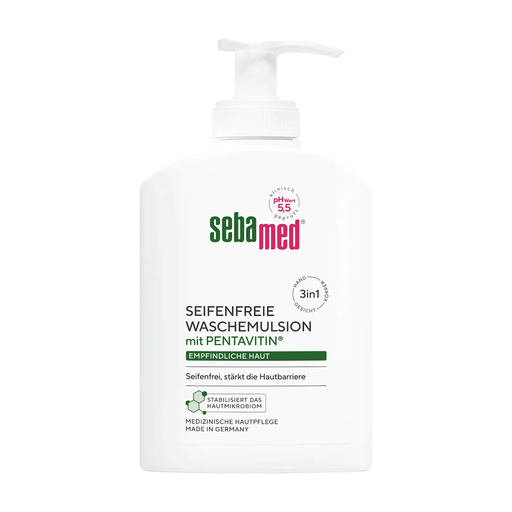
Why it suits this profile: The 200 ml formula is designed for the face, body and hands, making it a straightforward choice for everyday cleansing.
The product information specifies a soap-free formula and a pH of 5.5. This gives you a clear point of reference, rather than relying on general claims about gentleness.
200 ml; listed for the face, body and hands; contains glycerin, panthenol and Pentavitin according to the product description.
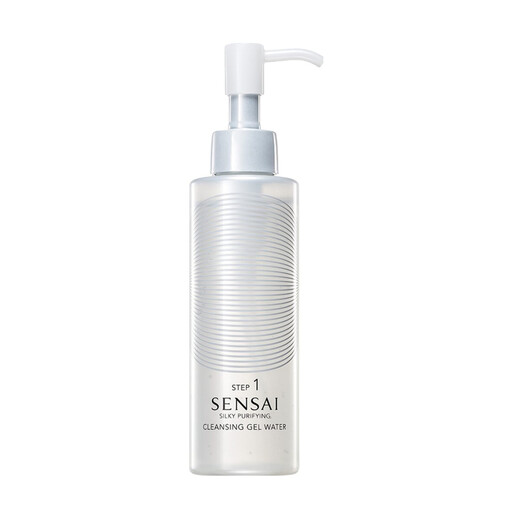
Why it suits this profile: The gel-to-water texture is designed to remove make-up and oil-based residue as the first step in your cleansing routine.
The directions specifically recommend washing afterwards with a water-based cleanser. This makes it clear that the product is intended as a pre-cleanse.
150 ml; contains Sodium Hyaluronate and hydrolysed silk according to the product information; designed for double cleansing.
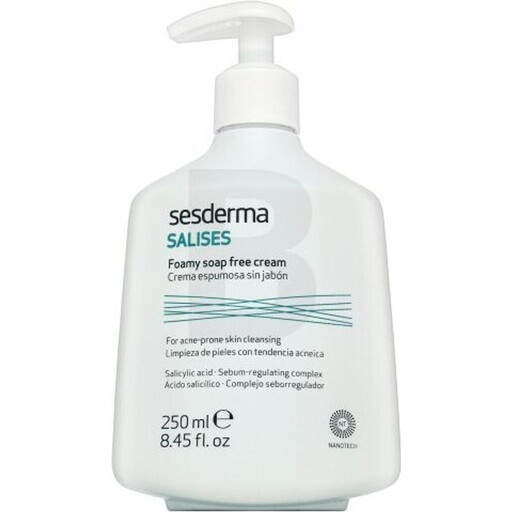
Why it suits this profile: The 250 ml size is suited to people who regularly use a foaming facial cleanser for oily or blemish-prone skin.
The product description specifically mentions salicylic acid, so you can check whether this ingredient suits your routine and your skin.
250 ml; described as soap-free; apply to damp skin and rinse off afterwards.
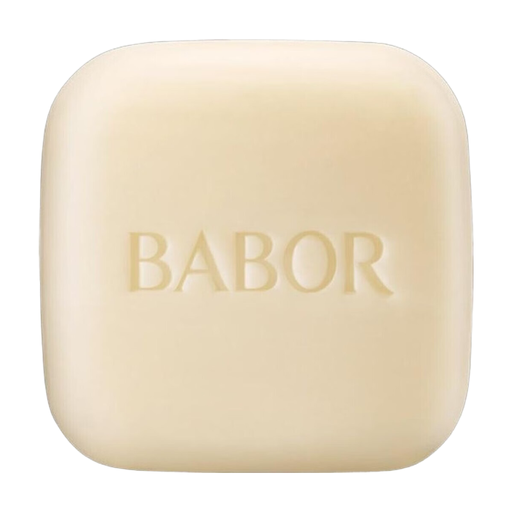
Why it suits this profile: This solid facial cleanser is sold as a refill without a storage tin, so you can use it with a tin you already own.
The product description clearly states that the tin isn’t included, so you can check exactly what’s in the pack before buying.
65 g refill; soap-free and fragrance-free according to the product information; solid texture with aloe vera and baobab oil.
Use a small amount in the morning and evening, if your skin tolerates cleansing this often. Massage it in gently, without applying too much pressure, then rinse thoroughly. When using micellar water, avoid rubbing the same area repeatedly with the cotton pad. You can gently remove eye make-up with a suitable make-up remover.
Try new products on a small area of skin first. If redness, itching, stinging or swelling persists, stop using the product and seek medical advice if needed.
We’ve put together a complete, regularly updated list of products that meet these strict selection criteria and fully comply with the safety regulations in force in the EU.
For many people, cleansing in the evening is enough. In the morning, water or a mild facial cleanser may be all you need, depending on your skin type. An additional cleanse may be useful after exercise, heavy sweating or wearing make-up.
A face wash is usually rinsed off with water and is suitable for removing sweat, sebum and everyday dirt. Micellar water is applied with a cotton pad and is handy for removing make-up or when you’re out and about. If you’re wearing heavier make-up, using micellar water followed by a cleansing gel may work well.
Check the open-jar symbol and the information on the packaging. Store the product in a dry place, close it after use and avoid getting water into the container. If its colour, smell or consistency changes, stop using it.