
Lieferung heute & morgen

Qualitätsgarantie

Willkommens-Angebote freischalten: KOSTENLOSE Lieferung | Bis zu 80 % RABATT | Kostenlose 30-Tage-JoyPlus-Testphase
App herunterladen
For many people, a facial cleanser is part of their morning and evening routine. Yet choosing one can often lead to a disappointing purchase: one product lathers heavily but leaves skin feeling dry; another doesn’t remove make-up properly; and a cleanser that seems gentle may contain fragrances that aren’t ideal for sensitive skin.
That’s why the product description alone isn’t enough. Your skin type, cleansing needs, preferred texture, ingredients, pack size and intended use all matter.
A rich lather can leave your skin feeling clean, but it doesn’t automatically mean a cleanser is better suited to your skin. If your skin is dry or sensitive, a product that strips away too much oil may leave it feeling tight after use.
So check the full formula, rather than relying on claims such as “deep cleansing” or “pore cleansing”. A soap-free face wash gel or a gentle cleanser may be better suited to daily use than a formula that lathers heavily.
A cleanser for all skin types sounds convenient, but it won’t necessarily meet your individual needs. Dry skin usually needs a different texture from oily or blemish-prone skin. If you’re prone to redness, fragrance or essential oils may be an unwanted variable.
Check whether the product description mentions fragrance-free, alcohol-free, pH level or specific ingredients. If you know your skin is sensitive, check the latest INCI list on the packaging.
A 400 or 500 ml product may look like good value at first. But if the formula doesn’t suit your skin, you could end up with a lot left unused. On the other hand, a small 50 ml tube may run out quickly if you use it every day.
Compare the pack size, amount used each time and frequency of use. For products used morning and evening, a pump dispenser can make them easier to dispense and help you control how much you use each time.
Glycerin, panthenol and certain amino acids are often used in cleansing products. However, their presence doesn’t automatically make a product suitable for everyone. If you know you’re sensitive to them, pay particular attention to fragrances such as Limonene, Citral or Linalool, as well as essential oils.
When choosing a facial cleanser for sensitive skin, check the full ingredients list. Claims such as “vegan”, “natural ingredients” or “dermatologically tested” don’t replace checking how your skin responds to a product.
A facial cleansing foam is usually spread over damp skin and then rinsed off. A gel can feel lightweight on oily or combination skin. A cleansing milk or jelly may be applied to dry skin and can help dissolve make-up.
Avoid rubbing too hard or using very hot water. Always follow the instructions on the packaging. Stop using the product if you experience a burning sensation, redness or itching.
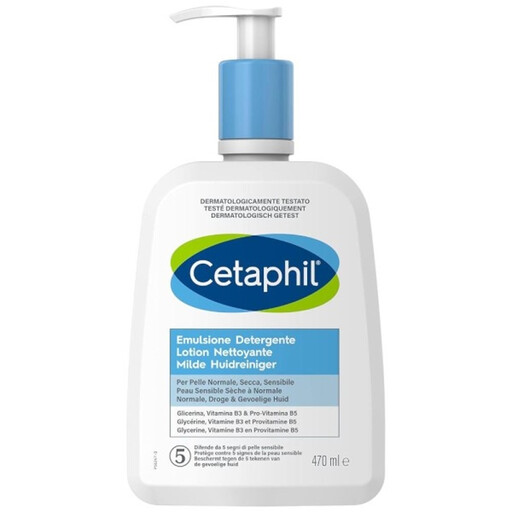
Why this product suits this profile: The 470 ml size is designed for regular facial cleansing. According to the product information, it can be used with water or a soft cloth.
The formula includes glycerin, panthenol and niacinamide, among other ingredients; no fragrances are listed in the stated ingredients.
Large pack size and flexible use in the morning and evening.
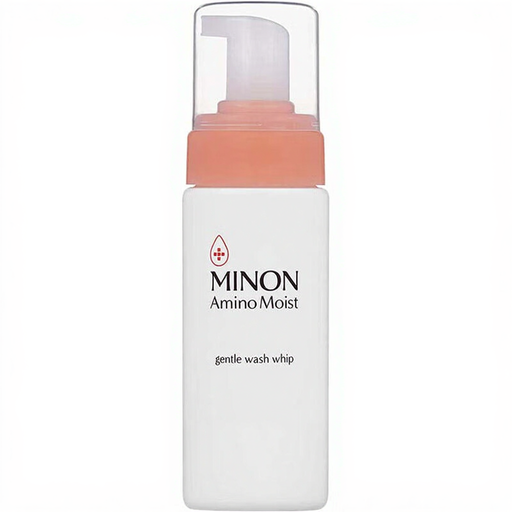
Why this product suits this profile: The pump dispenses foam directly, making it a good option if you prefer a convenient routine with an easy-to-control amount.
The product information describes a mildly acidic formula without fragrance, colourants, alcohol or parabens.
150 ml size, amino acid-based cleansing agents and a recommended dose of two to three pumps.
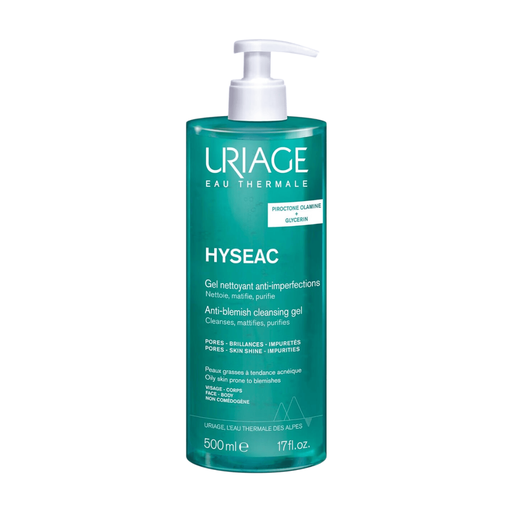
Why this product suits this profile: The 500 ml size and stated suitability for face and body make it a good fit for households with regular or varied cleansing needs.
The product description specifies a soap-free gel texture and a physiological pH of 5.5. However, the formula does contain fragrance.
Large pack size, a light foaming texture and intended use on the face and body.
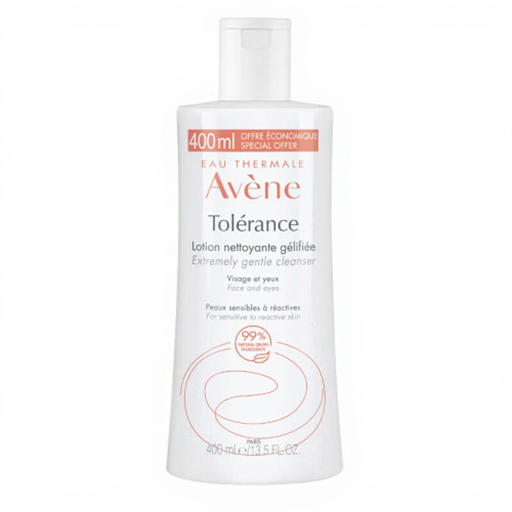
Why this product suits this profile: According to the product information, this gel-like lotion is intended for the face, eyes and lips, and can be used without rinsing.
The product description specifies a fragrance-free formula and 99% ingredients of natural origin. Check the latest information on the packaging.
400 ml size, lotion texture and no-rinse use according to the manufacturer.
We’ve put together a complete, regularly updated list of products that meet these strict selection criteria and comply with the safety regulations in force in the EU.
Use your facial cleanser as directed on the packaging, usually morning and evening. For products that need rinsing off, lukewarm water is enough. Don’t rub your skin dry with a towel; gently pat it instead.
Shelf life is determined by the best-before date or the symbol indicating how long the product can be used after opening. Make sure the closure is clean, and store the product in a cool, dry place away from direct sunlight. Stop using it if its smell, colour or consistency changes.
Many routines include cleansing in the morning and evening. If your skin is dry or sensitive, cleansing too often or for too long may feel uncomfortable. Let how your skin feels, the product instructions and your individual tolerance guide you.
A lightweight face wash gel can remove excess oil and dirt. Some products contain ingredients such as salicylic acid, but these are no substitute for advice from a dermatologist. If skin problems persist, seek medical advice.
It depends on the product. Check whether it’s specifically intended for use on the face, eyes and lips, and for removing make-up. If you wear waterproof make-up, you may need an additional facial make-up remover designed for it.