
Lieferung heute & morgen

Qualitätsgarantie

Willkommens-Angebote freischalten: KOSTENLOSE Lieferung | Bis zu 80 % RABATT | Kostenlose 30-Tage-JoyPlus-Testphase
App herunterladen
A facial cleanser is part of the daily skincare routine for many women and men. Yet choosing one can often lead to the wrong purchase: a product may strip away too much oil, leave your skin feeling tight after washing or cause unnecessary irritation if you have sensitive skin. Terms such as ‘deep pore cleansing’, ‘moisturising’ or ‘gentle’ are not enough on their own to help you choose.
This buying guide explains what to look for in a facial cleanser and which products may suit different skin types and usage habits.
A deep-cleansing facial cleanser may appeal if you have oily or blemish-prone skin. However, strong surfactants, frequent washing or added exfoliating ingredients can leave your skin feeling dry or tight. A face wash cannot permanently close or remove visible pores.
The key is to balance cleansing performance with how well your skin tolerates the product. If you have oily skin, a facial cleanser for blemish-prone skin containing salicylic acid may be worth considering. For dry or sensitive skin, a gentle, less intensive formula is often a better choice.
A facial cleansing foam feels light and spreads easily. However, the fact that a product foams does not, on its own, tell you how gentle it is on your skin. Check the ingredients list, fragrance content and directions for use as well.
A rich foam may feel pleasant on normal or oily skin, while a gentle facial cleanser with a gel or cream texture may suit dry skin better.
Amino acids, plant extracts, hyaluronic acid and ceramides can be interesting ingredients. But they do not replace the need to check the formula as a whole. Essential oils, fragrances and acids can be a problem for reactive skin, even if the product promises hydration or an especially gentle cleanse.
If you have sensitive skin, it is a good idea to patch test the product on a small area first. Stop using it if you notice redness, itching or a burning sensation.
Glycerin is often used as a moisture-binding ingredient. Ceramides and certain skin-conditioning lipids can be found in formulas designed to leave skin feeling less dry. Salicylic acid, also known as BHA, is used in some products to cleanse blemish-prone skin. However, it can still feel uncomfortable if your skin is sensitive or already irritated.
Bear in mind that formulas can change. Always refer to the ingredients list on the product packaging. Before buying, check that the details in the online listing match the product itself.
Use lukewarm water and massage in the facial cleanser without pressing hard. Depending on your skin type, once or twice a day may be enough. Rubbing for too long or using very hot water can put extra strain on your skin.
If you wear waterproof make-up or sunscreen, you may need to cleanse separately before using your facial cleanser. A face wash does not automatically remove every make-up product completely.
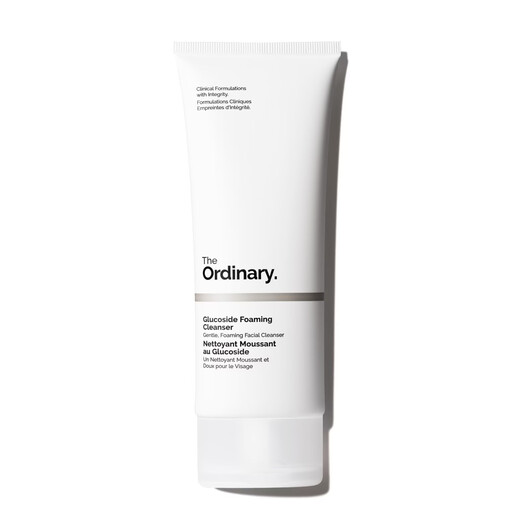
Why this product suits this profile: Its gel-like texture and manageable size make it a good option for beginners looking for a straightforward facial cleanser for everyday use.
The product description focuses on cleansing away dirt and environmental residue, without promising to permanently reduce the appearance of pores.
Decyl Glucoside and Coco Glucoside are listed in the stated INCI list; the product is sold as a foaming cleansing gel.
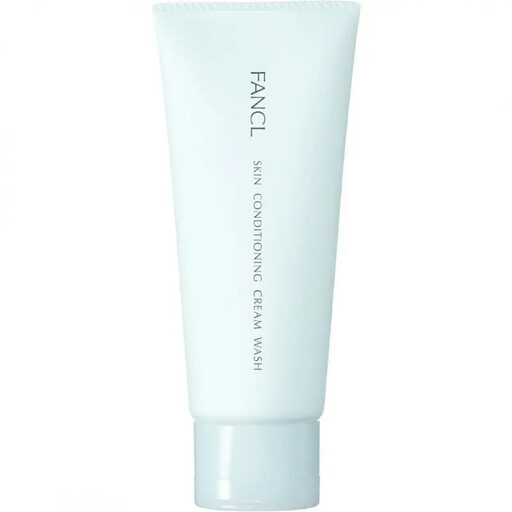
Why this product suits this profile: According to the product details, this Japanese facial cleanser contains glycerin and ceramides, among other ingredients. It is suited to shoppers who like to check ingredients carefully.
Don’t base your choice on marketing claims alone: the stated INCI list and safety information are available to check before use.
90 g; formulated with glycerin, Ceramide NG and mild surfactants, according to the product details.
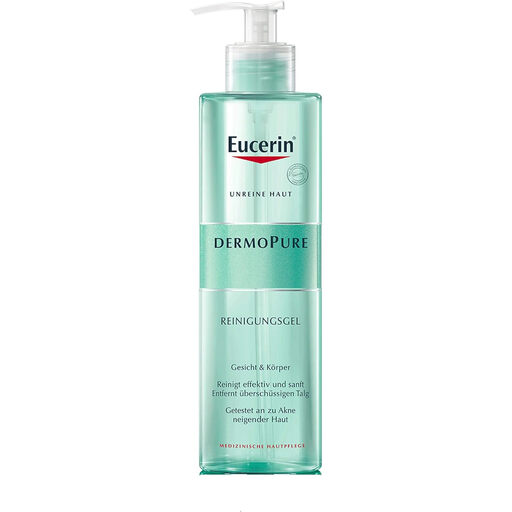
Why this product suits this profile: The 400 ml size and its focus on blemish-prone skin or skin prone to excess sebum make it suitable for regular use.
The product details list salicylic acid and also flag the possibility of irritation. This makes it easier to tailor use to your skin’s tolerance.
400 ml; gel texture with salicylic acid, according to the stated ingredients list.
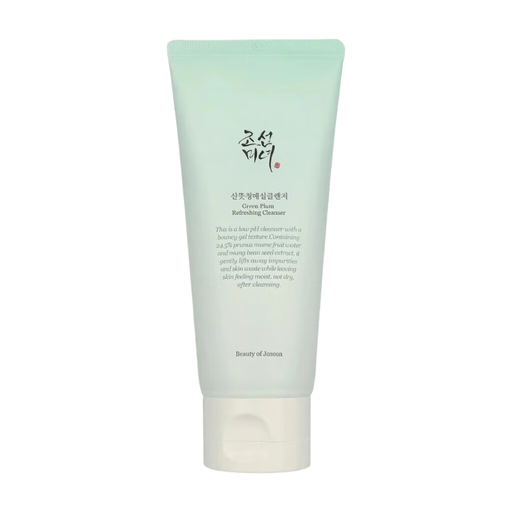
Why this product suits this profile: This Korean facial cleanser is described as a gentle, slightly acidic cleansing gel with plum water and mung bean extract.
The product description mentions gentle cleansing and light exfoliation, without presenting it as a substitute for targeted acne treatment.
100 ml; according to the product details, contains 24% plum water and 3% mung bean extract.
We’ve put together a complete, regularly updated list of products that fully meet these strict selection criteria and the safety regulations in force in the EU.
When trying a new product, first see how your skin reacts. Avoid using several new cleansers or exfoliating products at the same time, so you can identify the cause of any reactions more easily.
For many people, cleansing in the morning and evening is enough. If you have dry or sensitive skin, rinsing with water in the morning and using a gentle facial cleanser in the evening may feel more comfortable. Your skin, daily routine and the products you use all matter.
Check the best-before date, batch number and the open-jar symbol showing how long the product lasts after opening. Close the product after each use and store it somewhere dry, away from direct sunlight.
A facial cleanser for blemish-prone skin may contain active ingredients such as salicylic acid and help remove excess oil. Start by using it carefully and watch out for tightness or irritation. If skin changes persist or are severe, seek advice from a dermatologist.