
Lieferung heute & morgen

Qualitätsgarantie

Willkommens-Angebote freischalten: KOSTENLOSE Lieferung | Bis zu 80 % RABATT | Kostenlose 30-Tage-JoyPlus-Testphase
App herunterladen
A facial cleanser is part of many people’s daily skincare routine. Even so, choosing one often leads to unnecessary spending. A facial cleansing gel may leave your skin feeling pleasantly fresh after washing, while also making it feel tight. A facial cleansing foam can seem particularly thorough, but may remove too much oil from sensitive skin. Even well-known active ingredients or eye-catching packaging alone reveal little about whether a facial wash gel is right for your routine.
A facial cleanser that produces lots of foam is often associated with particularly thorough cleansing. What matters, however, is whether the formula removes dirt, excess sebum and residue without leaving your skin feeling uncomfortably tight. With dry or sensitive skin, strongly degreasing surfactants, alcohol or fragrances may be undesirable.
Salicylic acid, AHA, activated charcoal and plant extracts can be interesting product ingredients. However, a salicylic acid facial cleanser is no substitute for an individually tailored skincare routine. As the product is rinsed off again, you should not expect too much from individual active ingredients. Particular care is needed if your skin is irritated or damaged.
A 200-ml product may be practical for daily use, while a 20- or 50-ml size may be suitable for travelling or trying a product for the first time. Alongside the price, check the quantity, recommended frequency of use and shelf life after opening. This helps prevent a facial cleanser from expiring unused.
Start by considering how your skin feels, rather than focusing only on the product name:
The term pH-neutral facial cleanser is not always used precisely in everyday skincare. Chemically neutral means pH 7, whereas many skincare products are described as skin-friendly or mildly acidic. A specific pH value, such as pH 5.5, is therefore more informative than a general marketing claim.
Also consider the type of cleansing agents used. Amino-acid-based surfactants or mild surfactant blends may be an alternative to highly degreasing formulas. However, pH alone does not guarantee good skin compatibility. Fragrances, essential oils and certain preservatives may also be relevant.
A facial cleanser should be easy to dispense and rinse off completely. For daily use, a small amount, lukewarm water and a short, gentle massage are usually enough. Vigorous rubbing or very hot water can put additional strain on the skin.
Practical guidance:
If you wear make-up or water-resistant sun protection, a two-step cleansing routine may be beneficial. A water-based facial cleanser is often the second step.
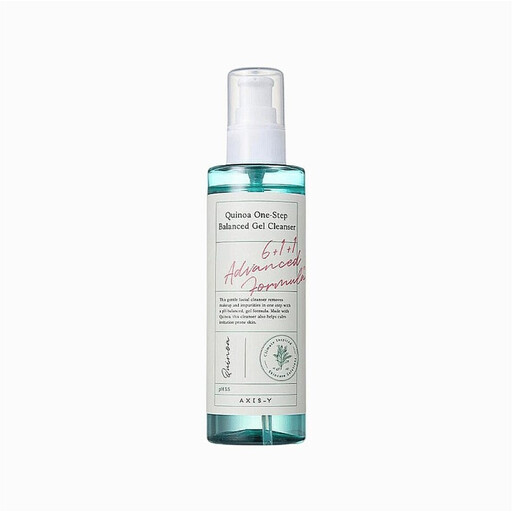
Why this product suits the profile: The 180-ml size and gel texture are suitable for straightforward daily facial cleansing. According to the product description, it is designed as a one-step cleanser and should not dry out the skin unnecessarily.
The product description highlights pH-balanced cleansing rather than focusing solely on a strong foaming effect.
Gel texture, 180 ml capacity and cleansing combined with moisturising care, according to the product details.
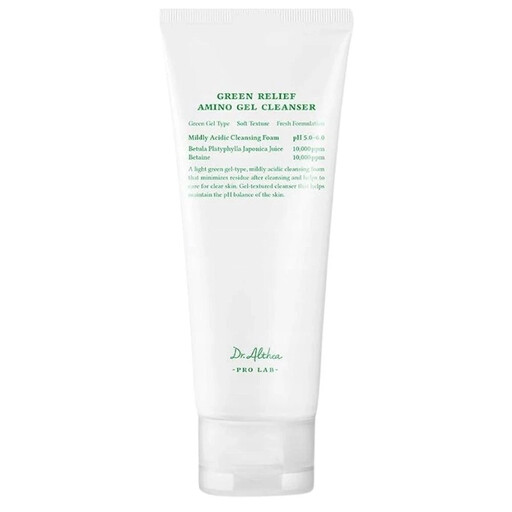
Why this product suits the profile: According to the product details, the formula uses amino-acid surfactants as well as panthenol, glycerin and sodium hyaluronate. This makes it appealing to shoppers who carefully check the ingredients list.
The product description names specific surfactants and caring ingredients rather than making only a general claim of being “mild”.
100 ml capacity, amino-acid surfactants, panthenol and hyaluronate, according to the INCI declaration.
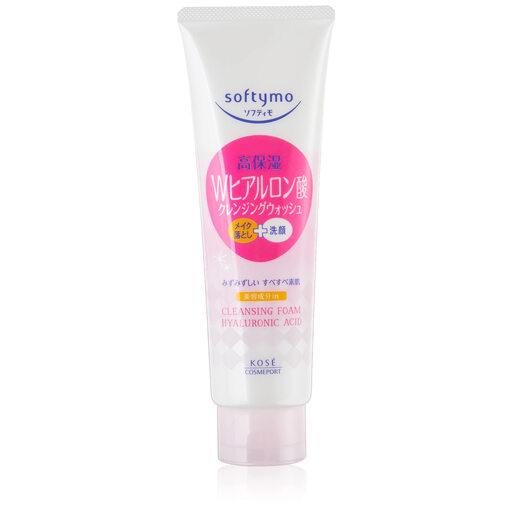
Why this product suits the profile: The 190-g size is practical for regular use. According to the product description, it contains two hyaluronic acid derivatives and creates a creamy foam.
The stated fill quantity and complete INCI list make it easier to compare the amount and ingredients.
190 g capacity, plus glycerin and hyaluronic acid derivatives, according to the product details.
We have put together a complete, regularly updated list of products that fully meet these strict selection criteria and the safety regulations applicable in the EU.
For many people, cleansing in the morning and evening is sufficient. If your skin is dry or sensitive, cleansing just once in the evening may feel more comfortable. Your skin’s feel, the product formula and the rest of your skincare routine are the key factors.
Look for the PAO symbol on the packaging. For example, “12M” indicates that the product can be used for twelve months after opening. You should also check the best-before date and batch number. If the smell, colour or consistency changes, the product should no longer be used.
No. Instead, compare skin type, ingredients, stated pH, fill quantity and directions for use. A simple facial cleanser may be sufficient for your routine, while a more elaborate formula may be unsuitable if you are sensitive to fragrance or have dry skin. If skin problems persist, it is advisable to seek dermatological advice.