
Lieferung heute & morgen

Qualitätsgarantie

Willkommens-Angebote freischalten: KOSTENLOSE Lieferung | Bis zu 80 % RABATT | Kostenlose 30-Tage-JoyPlus-Testphase
App herunterladen
A facial cleanser is part of many people’s daily skincare routine. Even so, choosing the right one often leads to disappointing purchases: a product may leave your skin feeling uncomfortably dry after washing, irritate it with fragrance or fail to cleanse sufficiently if you have oily skin. Focusing only on terms such as “deep cleansing”, “clarifying” or “natural” can mean overlooking important formulation details.
This buying guide explains what to look for when choosing a facial cleanser, cleansing gel or face wash gel. The selection is based on skin type, ingredients, usage and pack size.
A product that lathers generously can often create an especially clean feeling on the skin. However, tightness after rinsing may indicate that the cleanser is too intensive for your skin. This is particularly true for dry, sensitive or reactive skin.
For daily use, mild surfactants, a short contact time and lukewarm water are usually more suitable than vigorous rubbing or very hot water.
Salicylic acid, tea tree oil and activated charcoal are well-known ingredients in products for oily and blemish-prone skin. However, simply mentioning them says little about how well a product will suit you personally. A facial cleanser with salicylic acid is rinsed off again after a short contact time and is not a substitute for dermatological treatment.
Do not use this type of cleanser on irritated, damaged or reddened skin. Always check the complete INCI list and the information on the packaging.
“For all skin types” can be a useful starting point, but it does not replace checking the formulation. Fragrances, essential oils, menthol or alcohol may cause problems for some people. Conversely, a very rich cleanser may leave oily skin feeling less fresh.
A skin-neutral pH facial cleanser is not automatically equally well tolerated by everyone. For products with a low pH, the specific value or at least the term “low pH” should be verifiable in the product information. For example, the Low-pH Good Morning Cleanser is described as mildly acidic and contains, among other ingredients, betaine salicylate and tea tree oil.
Also check whether a product is used as a gel, lotion, cream or foam. A facial cleansing gel can usually be rinsed off quickly, while a cleansing lotion may, depending on the product, also be removed without water.
Don’t just compare the price; also consider the fill volume and intended use. A 400- or 470-ml product may be more economical for daily use, while 50 or 100 ml sizes are suitable for travelling.
The following are also important:
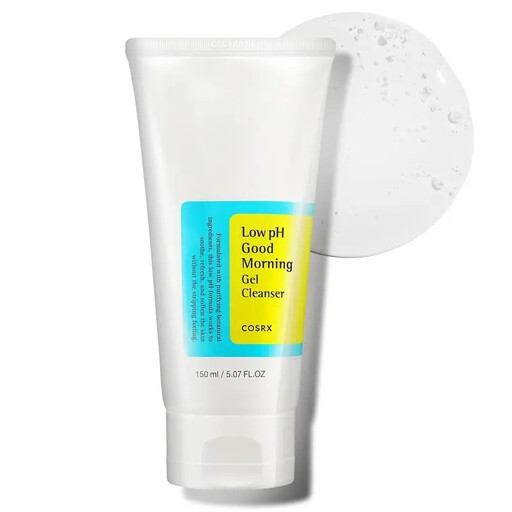
Why this product suits the profile: The 150-ml gel texture is designed for a simple morning and evening routine and lathers with water.
The product description specifies a mildly acidic pH range and indicates that it is suitable for oily or blemish-prone skin.
150 ml contents, gel-to-foam application and betaine salicylate in the INCI list.
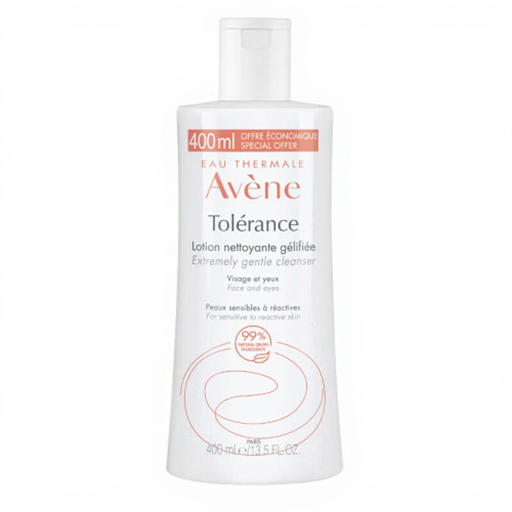
Why this product suits the profile: The gel-like cleansing lotion is designed for sensitive and reactive skin and, according to the product information, can be used without rinsing.
The product description highlights a fragrance-free formulation and cleansing for the face, eyes and lips.
400 ml contents, a fragrance-free product specification and a lotion texture that can optionally be removed without water.
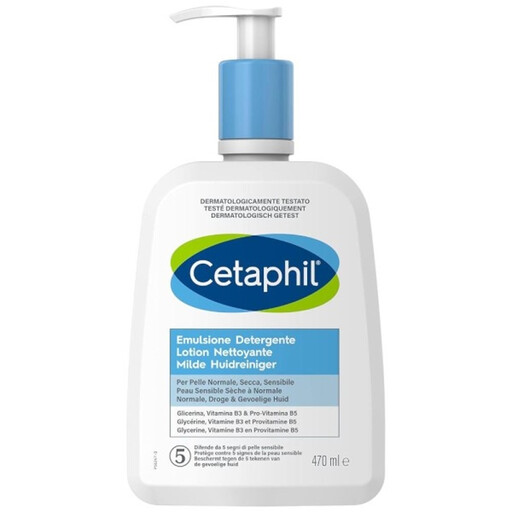
Why this product suits the profile: The large pack is ideal for households with daily use and straightforward morning and evening facial cleansing.
The straightforward INCI list includes glycerine, panthenol and niacinamide, among other ingredients; no fragrance is listed among the stated ingredients.
470 ml contents and the option to remove the product with water or a soft cloth, according to the directions for use.
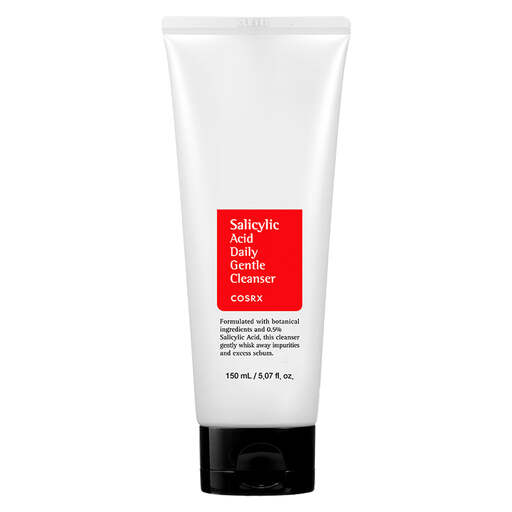
Why this product suits the profile: The product information specifies 0.5 % salicylic acid and tea tree oil, and recommends the formulation for combination, oily and blemish-prone skin.
The salicylic acid concentration is stated explicitly. According to the product warning, stop using it if irritation occurs.
0.5 % salicylic acid according to the product description, 150 ml contents and use as a foaming face wash.
We have put together a complete, regularly updated list of products that fully meet these strict selection criteria and the safety regulations applicable in the EU.
Moisten your face with lukewarm water and spread a small amount of the product over your skin using your fingertips. Massage gently without applying pressure, then rinse thoroughly. Pat your skin dry carefully afterwards.
When trying a new product, it may be sensible to test it on a small area of skin first. If redness, stinging, itching or any other unusual reaction occurs, stop using it. Seek dermatological advice if symptoms persist. An acne cleanser does not treat an underlying medical cause and should not be used on damaged skin.
For many people, cleansing morning and evening is sufficient. If you have dry or sensitive skin, cleansing once in the evening may be enough, particularly if you only need to remove sweat or light residue in the morning. Your skin’s feel, the product formulation and your individual tolerance are the key factors.
No. Products containing salicylic acid are often marketed for oily or blemish-prone skin, but may feel uncomfortable on sensitive, irritated or damaged skin. Follow the product information, avoid the eye area and do not combine several exfoliating products without careful consideration.
The relevant information is the printed best-before date and the open-jar symbol showing the period of use after opening. Close the packaging after every use and store it somewhere dry and cool, protected from direct sunlight. Changes in smell, colour or consistency are reasons to stop using the product.