
Lieferung heute & morgen

Qualitätsgarantie

Willkommens-Angebote freischalten: KOSTENLOSE Lieferung | Bis zu 80 % RABATT | Kostenlose 30-Tage-JoyPlus-Testphase
App herunterladen
A suitable facial cleanser is an essential part of your daily skincare routine, but choosing one can often feel confusing. Terms such as ‘deep cleansing’, ‘pore cleansing’ or ‘extra foam’ may sound persuasive, but on their own they say little about whether a product is actually suitable for your skin. The key factors are your skin type, the cleansing intensity, the ingredients and how you plan to use the product.
A foaming facial cleanser that produces a particularly rich lather does not automatically remove more residue. However, cleansing that is too intensive can cause a feeling of tightness on dry or sensitive skin. Oily skin does not necessarily need an aggressive facial wash gel either. If the skin is repeatedly stripped of too much oil, your daily skincare routine may start to feel uncomfortable.
Salicylic acid, tea tree oil, hyaluronic acid and Centella asiatica are common ingredients in modern formulations. However, their mere presence does not guarantee a specific result. With a product that is rinsed off after a short time, the overall formula, skin tolerance and frequency of use are equally important.
A salicylic acid facial cleanser may be worth considering for people with oily or blemish-prone skin. However, caution is advisable if your skin is irritated, damaged or particularly sensitive. Cosmetic products are not a substitute for dermatological advice.
A product marketed as universal may be practical, but it is not necessarily the best choice for every skin condition. Someone who only wants to remove sweat and excess oil in the morning may need a different cleansing intensity from someone washing off sun cream and make-up residue in the evening.
A pH-balanced facial cleanser is not necessarily exactly pH 7. Many products are described as mildly acidic or ‘low pH’. The specific value should only be taken into account if it is clearly stated on the packaging or in the official product information.
The pH value alone does not determine quality. Surfactants, fragrances, skincare ingredients and contact time are also relevant. After rinsing, a product should leave neither a noticeably greasy film nor a strong feeling of tightness.
Check the following before buying:
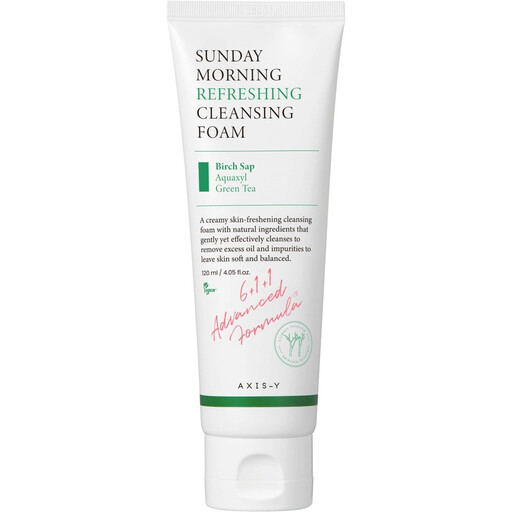
Why this product suits the profile: If you are looking for a Korean facial cleanser with clear information about its texture and pH value, this foaming option is suitable for your daily routine.
The stated pH value of 5.5 and the usage instructions make the choice easier to assess than purely promotional claims without technical information.
Creamy foam, birch water and plant extracts according to the product information; vegan and cruelty-free labelling is stated.
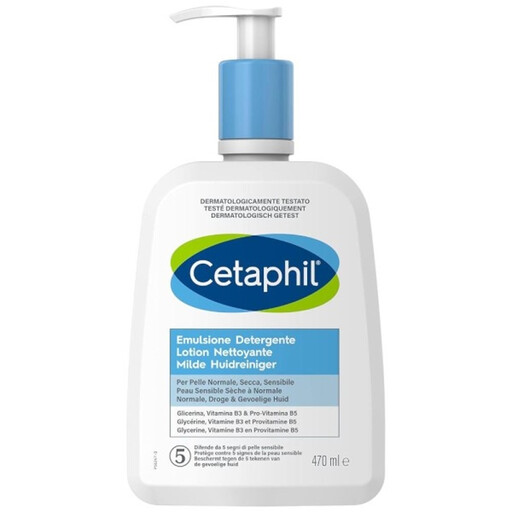
Why this product suits the profile: The large 470-ml bottle is ideal for people who prefer a simple facial cleansing routine in the morning and evening, without switching between specialist products.
The focus is on gentle, uncomplicated cleansing rather than exfoliating acids or intensive pore-related marketing. The current INCI list should be checked before purchase.
Large pack size plus glycerin, panthenol and niacinamide according to the INCI list; suitable for use with or without rinsing.
We have put together a complete, regularly updated list of products that fully meet these strict selection criteria and the safety regulations applicable in the EU.
First, dampen your face with lukewarm water. Dispense a small amount of facial wash gel or foaming facial cleanser into your hands and apply it without pressure. Massaging for around 30 to 60 seconds is generally sufficient; rubbing vigorously does not automatically improve cleansing performance. Then rinse thoroughly and pat your skin dry with a clean towel.
If you are wearing waterproof make-up or strongly adhering sun cream, a two-step cleansing routine may be useful in the evening. Facial cleanser should not get into your eyes or come into contact with damaged skin. When trying a new product, it is advisable to carry out a careful patch test on a small area of skin.
Many people use it in the morning and evening. If you have dry or sensitive skin, cleansing once in the evening may be sufficient; in the morning, water alone may be enough. Your skin’s feel, skincare products and environmental exposure are the key factors.
The specific best-before date or the symbol indicating the product’s shelf life after opening can be found on the packaging. Once opened, tubes or pump dispensers should be closed securely and stored in a dry place. A change in smell, colour or consistency indicates that the product should no longer be used.
No. A higher price may be due to the brand, packaging, importing or ingredients. Skin type, INCI list, pack size, skin tolerance and desired cleansing intensity are more informative when choosing a product than the price alone.