
Lieferung heute & morgen

Qualitätsgarantie

Willkommens-Angebote freischalten: KOSTENLOSE Lieferung | Bis zu 80 % RABATT | Kostenlose 30-Tage-JoyPlus-Testphase
App herunterladen
A facial cleanser is part of many adults’ and teenagers’ daily skincare routine. Even so, choosing the right one is not always easy: foams, gels, oils and cleansing balms differ in how they are used, the surfactants they contain, their skincare ingredients and their suitability for different skin types.
If you focus only on terms such as “Deep Cleansing”, “pore cleansing” or “extra-rich foam”, you can easily end up buying a product that does not suit your skin in everyday use. The following criteria will help you assess marketing claims objectively and choose a suitable cleanser for facial cleansing.
If your skin feels very dry or tight after washing, this is not reliable proof that it has been thoroughly cleansed. Strongly degreasing surfactants, very hot water or massaging for too long are often responsible. For dry or sensitive skin, a mild facial cleanser with a short contact time is usually a better choice.
Pores cannot be permanently altered by a face wash. However, a cleanser can remove dirt, make-up, excess sebum and sunscreen residue. With products containing salicylic acid or other acids, you should also consider your individual tolerance. Stop using the product if redness, burning or irritation occurs.
Double cleansing generally means that a cleansing oil or similar product first dissolves make-up and oil-based residue, followed by a water-based cleanser to remove any remaining residue. This is particularly useful in the evening when wearing heavier make-up or water-resistant sunscreen. For a quick morning routine, a single mild facial cleanser is often sufficient.
With a facial cleansing foam, the amount of foam is not the only important factor. The cleansing agents used and how your skin feels after rinsing are also relevant. Amino-acid-based or mild plant-based surfactants are often used in gentle formulations. Fragrances and essential oils may not be suitable for everyone.
With a facial cleansing gel, you should also check whether it contains additional acids, essential oils or alcohol. If you already use other exfoliants or active skincare products, consider your routine as a whole rather than introducing several potentially irritating products at the same time.
Sizes of around 100 to 200 millilitres are common for daily use. A 30- or 50-millilitre size may be suitable for travelling or trying a product for the first time. With facial cleansing oil, a pump dispenser is practical because it allows you to distribute the product in a controlled manner on dry hands. With every order, check the best-before information, batch number and details on the actual packaging.
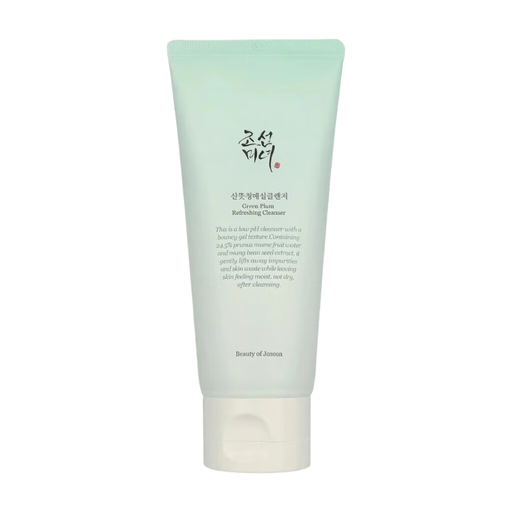
Why this product suits the profile: The gel is lathered with water and is designed for straightforward daily facial cleansing. The product information states that it contains 24% plum water and 3% mung bean extract.
The choice focuses on a manageable gel routine rather than a lengthy combination of active products.
100 ml contents, gel texture and use on damp skin; according to the product information, the product comes from South Korea.
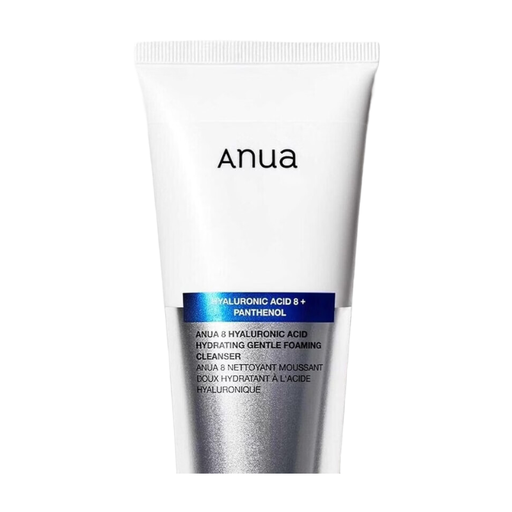
Why this product suits the profile: The formulation combines mild cleansing agents with glycerine, panthenol, betaine, zinc PCA and eight listed hyaluronic acid components.
The product data specifies particular ingredients, rather than basing the choice solely on the volume of foam or fragrance.
150 ml contents, rich foaming texture and information stating that it can be used morning and evening.
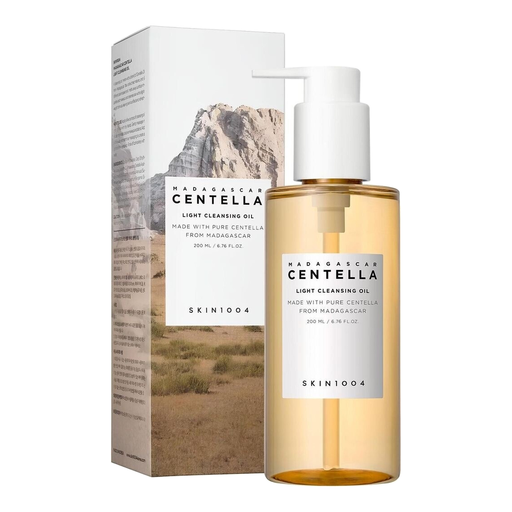
Why this product suits the profile: The lightweight cleansing oil is designed for the first step of double cleansing and is applied to dry skin.
The clear sequence of applying oil, emulsifying with water and rinsing thoroughly avoids unnecessarily complicated application steps.
200 ml contents, pump dispenser and a lightweight, water-like texture according to the product description.
A facial cleanser for oily skin does not need to be used several times a day. A facial cleanser for blemish-prone skin should also not be left on for longer than stated. If you have persistent skin problems, painful inflammation or severe reactions, it is advisable to seek dermatological advice.
We have put together a complete, regularly updated list of products that fully meet these strict selection criteria and the safety regulations applicable in the EU.
For many people, cleansing in the evening is sufficient; if you have been sweating heavily or there is visible residue, an additional cleanse in the morning may be useful. What matters is how your skin feels and how well it tolerates the routine, not cleansing for as long or as often as possible.
A facial cleansing gel is usually easy to dispense and may suit normal, combination or oily skin. Facial cleansing foam spreads quickly and often requires less rubbing. For sensitive or dry skin, the key factor is a gentle formulation with suitable surfactants and as few potentially irritating additives as possible.
No. Double cleansing can be useful in the evening if you are wearing make-up, water-resistant sunscreen or have oily residue on your skin. Without such residue, a single facial cleanser that is rinsed off thoroughly is often enough. The important thing is that your routine suits your skin and the amount of skincare you actually use.