
Lieferung heute & morgen

Qualitätsgarantie

Willkommens-Angebote freischalten: KOSTENLOSE Lieferung | Bis zu 80 % RABATT | Kostenlose 30-Tage-JoyPlus-Testphase
App herunterladen
A facial cleanser is part of many people’s daily skincare routine. Even so, choosing the right one often leads to disappointing purchases: one product may create lots of foam but leave your skin feeling tight, while another promises deep-pore cleansing but irritates sensitive skin. Large packaging or eye-catching claims about active ingredients alone do not reveal whether a cleansing foam is truly suitable for your face and your skin’s needs.
This buying guide explains what to look for when choosing a facial cleanser. It focuses on skin type, cleanser format, pH level, ingredients and correct application.
Dense foam can feel pleasant, but it is not a reliable indicator of quality. What matters is which surfactants are used and how your skin feels after rinsing. For dry or sensitive skin, overly intensive cleansing can place unnecessary strain on the natural skin barrier.
A gentle facial cleanser should remove dirt, excess sebum and residue without causing a lasting tight feeling. For oily skin, an especially powerful degreasing product is not automatically the best choice either, as it may leave the skin feeling uncomfortably dry.
Terms such as “pore cleansing”, “acid cleanser” or “anti-blemish” often refer to individual ingredients. This does not mean that a product is suitable for every blemished or acne-prone complexion. Salicylic acid, essential oils, fragrances and exfoliating acids can cause irritation for some people.
A facial cleanser for blemished skin should therefore be chosen based on the complete INCI list and how it feels on your skin. If skin problems persist or become inflamed, dermatological advice may be appropriate. Cosmetic products are not a substitute for medical treatment.
The pH value indicates whether a formulation is more acidic or alkaline. A pH skin-neutral facial cleanser is often closer to the skin’s naturally slightly acidic environment than traditional alkaline soaps. Wherever possible, the specific value should come from the manufacturer. However, a low pH alone does not guarantee that a product will suit everyone’s skin.
A facial cleansing foam is spread over damp skin and then rinsed off. It is particularly suitable for people who prefer a foaming texture. A cleansing gel usually produces less foam and may be easier to rinse away.
Cleansing oil is a different product category. It is massaged into dry skin and then emulsified with water. This helps dissolve make-up and sunscreen residue. With heavy make-up, you can follow with a water-based cleanser. This so-called double-cleansing step is not essential every day if there are no oily residues that need removing.
Check the following before buying:
A large bottle is not automatically more economical if the product does not suit your skin. For a first try, a smaller size, such as a travel format, can reduce the risk of an unsuitable purchase.
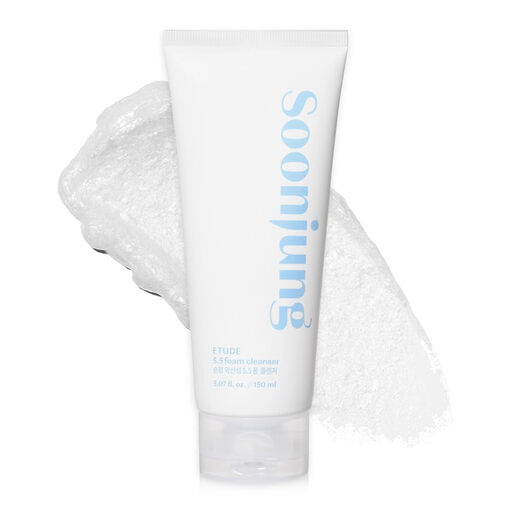
Why this product suits this profile: The 150ml size and foaming texture are ideal for a straightforward daily cleansing routine. The manufacturer’s stated pH 5.5 formulation, along with panthenol and madecassoside, will appeal to those who prefer a streamlined skincare routine.
The product description mentions a low pH and excludes fragrances, parabens and synthetic colourants. Nevertheless, check the current packaging information before buying.
Creamy foam, a stated pH of 5.5 and a formulation focused on a small number of key skincare ingredients.
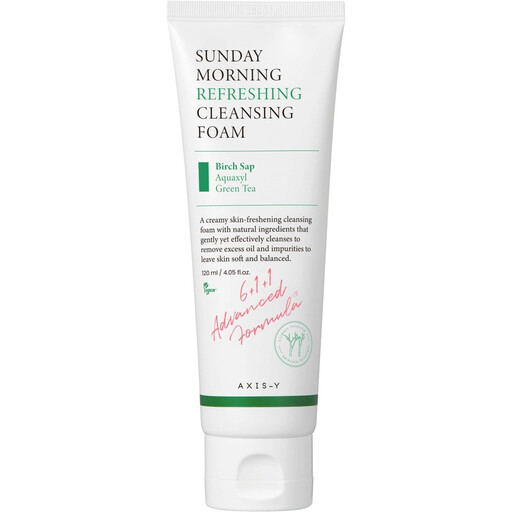
Why this product suits this profile: The manufacturer’s stated pH 5.5 formulation and creamy foam are well suited to a comfort-focused routine. Birch water, mugwort and glycerine are listed among the ingredients.
The product information states that it cleanses without leaving a pronounced dry feeling and that it has been tested for skin irritation. These are the manufacturer’s claims and do not guarantee individual compatibility.
120ml contents, soft foam and an extensive ingredients list featuring moisture-binding and botanical ingredients.
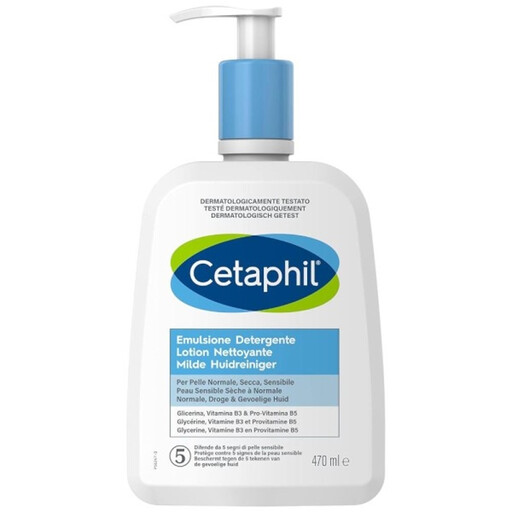
Why this product suits this profile: The large 470ml bottle is appealing to people who cleanse regularly in the morning and evening and prefer a non-foaming or very understated texture.
The formulation contains glycerine, panthenol and niacinamide, among other ingredients. According to the stated INCI list, it is fragrance-free; the current packaging remains the definitive source.
470ml contents and flexible application: rinse off with water or remove with a soft cloth.
We have put together a complete, regularly updated list of products that fully meet these strict selection criteria and the safety regulations applicable in the EU.
Use lukewarm rather than hot water. With a foaming or gel cleanser, a small amount is usually sufficient. Spread the product over your face without applying strong pressure for around 30 to 60 seconds, then rinse thoroughly. Pat your skin dry with a clean towel.
In the morning, cleansing once may be sufficient. In the evening, particularly if you have worn sunscreen or make-up, consider whether a cleansing oil or a two-step routine is needed. Burning, redness, itching or a rash are signs that you should stop using the product. If symptoms persist, seek medical advice.
For many people, cleansing in the morning and evening is sufficient. If you have dry or sensitive skin, cleansing with water in the morning and carrying out a thorough cleanse in the evening may feel more comfortable. Your skin’s response, the product formulation and everyday factors such as exercise, sunscreen or make-up are all important.
The best-before date, batch number and, where applicable, the open-jar symbol indicating the period after opening on the packaging are the key references. Store the cleanser in a dry, cool place away from direct sunlight. If its smell, colour or consistency changes, stop using the product.
Ongoing costs depend not only on the purchase price, but also on the fill volume and how much product you use. Compare the price per 100ml and consider whether a small amount is sufficient for each application. A larger pack can be practical for regular use, but it should only be purchased after you have confirmed that the product suits your skin.