
Lieferung heute & morgen

Qualitätsgarantie

Willkommens-Angebote freischalten: KOSTENLOSE Lieferung | Bis zu 80 % RABATT | Kostenlose 30-Tage-JoyPlus-Testphase
App herunterladen
A facial cleanser should remove dirt, excess sebum, make-up residue and sun cream without leaving your skin feeling uncomfortably tight afterwards. The choice ranges from facial cleansing foam and gentle gel cleansers to cleansing milk. This variety makes comparisons difficult: rich lather says little about skin tolerance, and a prominent active ingredient is not automatically suitable for every skin type.
A dense lather can feel pleasant to use, but it is not a reliable indicator of quality. What matters is the surfactants used, how often you apply the product and how your skin feels after rinsing. For dry or sensitive skin, cleansing that is too intense can leave the skin feeling uncomfortably tight.
Descriptions such as “with hyaluronic acid”, “brightening” or “with acids” draw attention to individual ingredients. However, a facial cleanser is only left on the skin for a short time. You should therefore check the complete INCI list, particularly for fragrances, essential oils, alcohols and exfoliating acids. If you have sensitive skin, a patch test on a small area is recommended.
Normal, dry, dehydrated, blemish-prone and mature skin all have different cleansing needs. A product for blemish-prone skin may, for example, contain AHA, BHA or other clarifying ingredients. These are not automatically the right choice for skin that is frequently red or very dry. A Korean facial cleanser or Japanese facial cleanser should also be selected based on its formula rather than its country of origin alone.
A pH-balanced facial cleanser, or a mildly acidic cleanser, is often closer to the skin’s natural environment than strongly alkaline soaps. The specification “pH 5.5” is more specific than a general marketing claim. Even so, pH alone does not determine skin tolerance: surfactants, fragrances and how often you use the product also play a role.
Compare the fill quantity, format and intended use. A pump dispenser containing pre-lathered product can save time in the morning. A gel or cream usually needs to be lathered with water first. If you wear make-up or water-resistant sun cream, it may be useful to begin your evening routine with an oil-based product, followed by a water-based facial cleanser.
Also bear in mind that formulas can change. The INCI list on the packaging is the authoritative source. If products contain fragrances, people with known sensitivities should check the ingredients particularly carefully. Stop using the product if redness, burning or itching occurs.
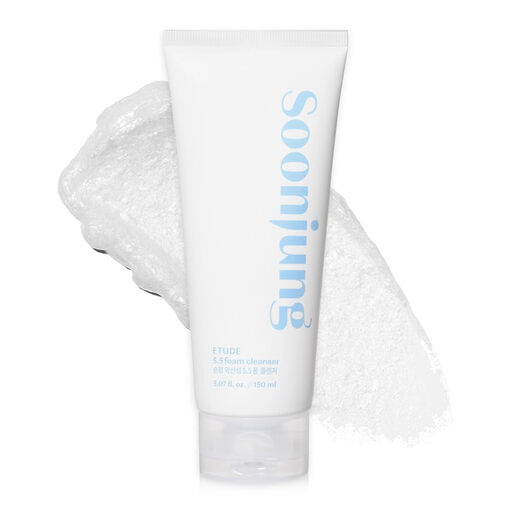
Why this product suits this profile: The 150 ml tube offers a straightforward foaming texture for daily cleansing. The stated pH level of 5.5 makes it easy to identify for shoppers specifically looking for a pH-balanced facial cleanser.
The choice is based not only on the lather, but also on the clearly stated pH level and the declared formula without fragrances or synthetic colourants.
pH 5.5, creamy foaming texture and 150 ml contents; panthenol and madecassoside are listed in the product description.
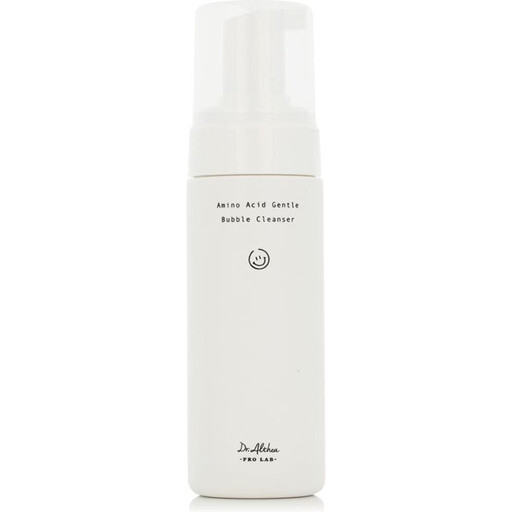
Why this product suits this profile: The pre-lathered pump dispenser is ideal for a quick morning and evening routine. According to the product information, the formula contains 17 amino acids and is designed for dry and sensitive skin.
The product can be assessed based on its fill quantity, format and ingredients. Note the declared fragrance allergen Limonene on the current packaging.
140 ml, stated vegan formula, water-based formula and amino acids listed in the INCI list.
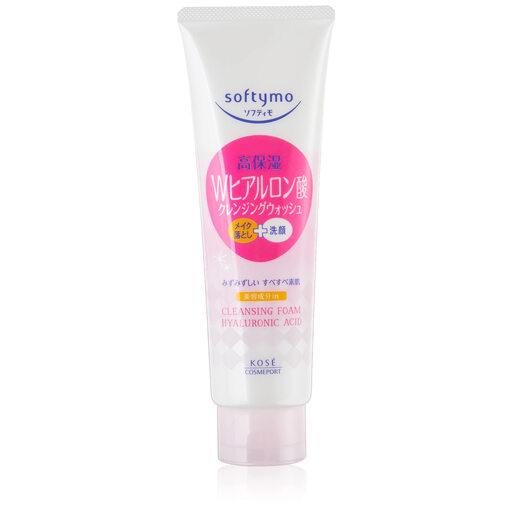
Why this product suits this profile: The 190 g size is practical for regular users. As a Japanese facial cleanser, it combines a creamy foaming base with two listed hyaluronic acid derivatives.
Rather than simply marketing “hyaluron”, the choice can be assessed based on the specifically named Sodium Hyaluronate and Sodium Acetylated Hyaluronate. The current packaging remains the definitive source.
190 g contents, creamy foam and two declared hyaluronic acid ingredients.
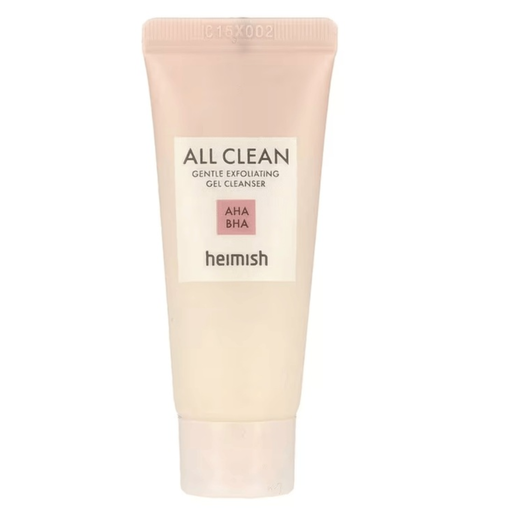
Why this product suits this profile: The compact 20 ml size fits in hand luggage or a gym bag. Its gel texture and stated AHA, BHA and pH-balanced properties make it an appealing option for users who prefer targeted cleansing.
The acids are clearly stated rather than hidden behind a general promise of “pore cleansing”. If your skin is sensitive or already irritated, you should assess its tolerance particularly carefully.
20 ml travel size, gel texture, stated AHA and BHA, plus a declared pH-balanced formula.
We have put together a complete, regularly updated list of products that fully meet these strict selection criteria and the safety regulations applicable in the EU.
For many people, a light cleanse is sufficient in the morning. In the evening, remember to remove sun cream, make-up and environmental build-up. If skin problems persist, consulting a dermatologist is advisable.
For many skin types, cleansing in the morning and evening is standard. If your skin is very dry or sensitive, a single thorough cleanse in the evening may feel more comfortable. Your skin’s feel, the formula and how your skin reacts are the key factors.
A facial cleanser for dry skin should ideally not strip away too much oil. Cleansing milk, creamy cleansing foam or a formula containing glycerin and panthenol are often suitable options. Nevertheless, check the complete ingredient list and avoid products containing the relevant fragrances if you experience a reaction.
Hyaluronic acid can be part of a hydrating formula. As a facial cleanser is rinsed off again, it does not replace a moisturiser or serum. When choosing a product, you should therefore also consider gentle surfactants, glycerin, how it is used and how your skin feels after washing.