
Lieferung heute & morgen

Qualitätsgarantie

Willkommens-Angebote freischalten: KOSTENLOSE Lieferung | Bis zu 80 % RABATT | Kostenlose 30-Tage-JoyPlus-Testphase
App herunterladen
The right facial cleanser should remove dirt, excess sebum, makeup, and sunscreen without leaving the skin feeling tight or dry. Options range from facial cleansing gel and facial cleansing cream to cleansing balm. What matters is not the most eye-catching claim on the packaging, but the combination of skin type, ingredients, application method, and product size.
A highly foaming product often feels especially thorough. That does not automatically mean it is suitable for daily use. Harsh surfactants, frequent rubbing, or very hot water can leave the skin feeling uncomfortably dry. For sensitive or dry skin, a mild facial cleanser with gentle surfactants or a cleansing milk is often the more practical choice.
Products containing salicylic acid, vitamin C derivatives, or botanical extracts are often promoted with extensive skincare claims. With a rinse-off product, however, the short contact time also matters. A facial cleanser with salicylic acid may be worth considering for oily or blemish-prone skin, but should be introduced cautiously on sensitive skin. Discontinue use if redness, burning, or irritation occurs.
The right product size depends on consumption and intended use. A 40- or 50-ml product can be ideal for travel or testing a new formula. For daily facial cleansing, 120 to 250 ml or grams is often more practical. A cleansing balm generally requires only a small amount, while a liquid cleansing gel may be used up more quickly depending on the dispenser.
The ingredient list based on INCI nomenclature shows which substances are actually present. Common mild cleansing agents include Cocamidopropyl Betaine, Coco-Glucoside, and Sodium Cocoyl Isethionate. A foaming texture alone does not provide a reliable indication of skin compatibility.
Fragrance ingredients such as Limonene, Linalool, or Parfum may be relevant for some people. If you are sensitive to specific ingredients, check the packaging of the exact product, as formulas may change. The ingredient list on the product purchased is the authoritative reference.
A classic cleansing gel is generally applied to damp skin and then rinsed off. A makeup remover or cleansing balm, by contrast, is often used on dry skin. Waterproof sunscreen and long-wearing makeup are easier to dissolve with an oil-based first cleansing step. A water-based facial cleanser can then be used if needed. Avoid the eye area and mucous membranes; rinse with water in the event of contact.
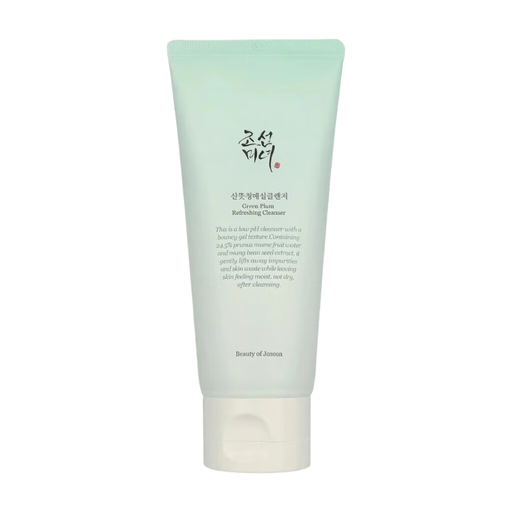
Why it fits this profile: The gel texture and 100 ml size are well suited to a straightforward daily routine and to discovering Korean skincare.
The advertised gentle, mildly acidic formula is supported by specific INCI details such as glycerin and 24% plum water. Nevertheless, check the packaging before buying.
100 ml, gel texture, use on damp skin, and described as suitable for all skin types.
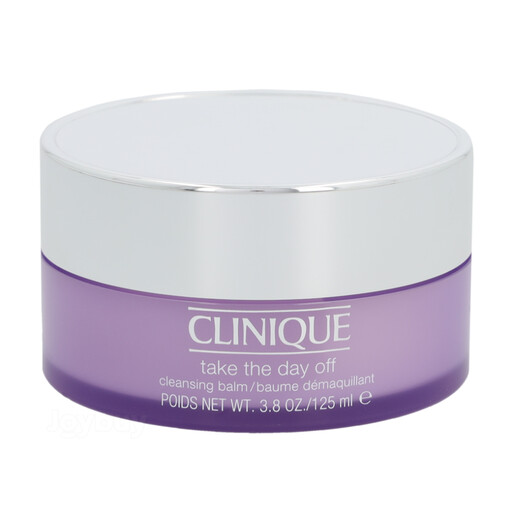
Why it fits this profile: This cleansing balm is designed for people who remove makeup or sunscreen daily and prefer a first cleansing step.
Applying the balm to dry skin helps prevent water-based cleansing gels from merely spreading heavy makeup across the surface. Rinse the balm off thoroughly afterward.
125 ml, described as suitable for the face and eye makeup, with a balm texture that transforms into an oil.
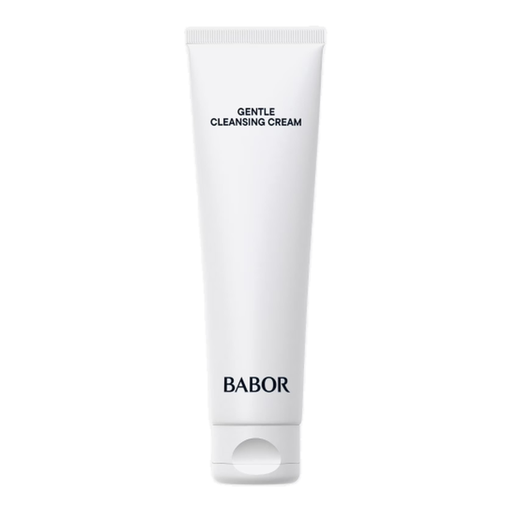
Why it fits this profile: This milky, fragrance-free cleansing cream is appealing to people who prefer a non-foaming texture.
The product description clearly states that the formula is free from fragrance and sulfates. Individual tolerance, however, still depends on your own skin.
100 ml, fragrance-free according to the product description, creamy consistency, and suitable for all skin types, including sensitive skin.
The complete selection of facial cleansing creams makes it easier to compare textures, sizes, and product features for different skin types.
Seek medical advice in the event of persistent skin problems, severe reactions, or open areas of skin. Cosmetic facial cleansers are not automatically intended to treat a skin condition.
For many people, cleansing in the morning and evening is sufficient. If your skin is dry or sensitive, it may be preferable to cleanse in the morning with water alone or with an especially gentle product. After exercise, heavy sweating, or applying sunscreen, evening cleansing is generally advisable.
A facial cleanser for sensitive skin should contain as few potentially irritating ingredients as possible. Pay particular attention to Parfum, essential oils, alcohol, and the surfactants used. A cleansing milk or cream may feel more comfortable than a heavily foaming cleansing gel. There is no guarantee of individual skin compatibility, however.
Check the open-jar symbol, known as the Period After Opening, as well as the best-before date or batch information on the packaging. Store the product in a dry, cool place away from direct sunlight. If its smell, colour, or consistency changes, discontinue use.