
Lieferung heute & morgen

Qualitätsgarantie

Willkommens-Angebote freischalten: KOSTENLOSE Lieferung | Bis zu 80 % RABATT | Kostenlose 30-Tage-JoyPlus-Testphase
App herunterladen
A facial cleanser is part of many adults’ daily skincare routine. But having a wide range to choose from doesn’t necessarily make it easy to find the right product. Face wash gels, cleansing creams, facial cleansing milks and make-up removers differ considerably in texture, application and ingredients.
If you focus only on claims such as “glow”, “deep cleansing” or “antioxidant”, you may overlook important details. Three common pitfalls are particularly worth bearing in mind:
For dry skin, creamy or milky textures containing glycerine, panthenol or nourishing oils are often a good choice. Cleansing cream is usually spread over dry or damp skin and then rinsed off. If you have sensitive skin, fragrance-free products with a shorter INCI list may be worth considering. However, every formula should be judged on how well you tolerate it.
A facial cleanser for oily skin or blemish-prone skin may contain a gel texture and clarifying ingredients. Salicylic acid, for example, is listed in some products. It may be of interest as part of certain skincare routines, but it is not a general promise to resolve skin problems. Stop using the product if irritation occurs.
For combination skin, look for a product that cleanses without leaving dry areas of your face feeling tight. Cleansing your face every morning and evening isn’t essential for everyone; how often you cleanse and how much product you use should suit your skin and the rest of your routine.
Look at the specific product information:
Claims such as “vegan”, “cruelty-free” or “fragrance-free” should also be clearly stated in the product description or on the packaging. INCI lists can change, so check the details of the product you’ll actually receive before buying.
Face wash gel is usually lathered with water and rinsed off. Cleansing creams and milks may suit dry skin or be useful for removing make-up. Micellar milk is sometimes applied with a cotton pad and, depending on the product, may not need to be rinsed off.
Packaging and size are also worth considering for everyday use. Pump bottles dispense a measured amount, while tubes and jars have different hygiene considerations. If you’re removing eye make-up, follow the directions and avoid direct contact with your eyes.
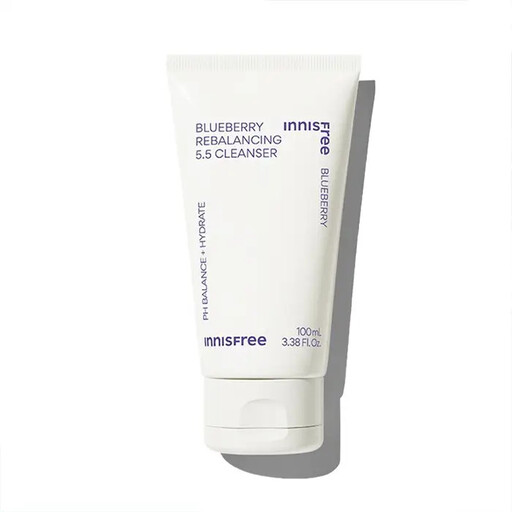
Why it suits this profile: Its lathering texture and stated mildly acidic formula make it a good option for shoppers looking for a straightforward daily facial cleanser.
The product description specifies its texture, pH 5.5 and the absence of sulphates and artificial fragrances. Check the current packaging information before use.
100 ml, with glycerine and allantoin according to the product description; apply to damp skin.
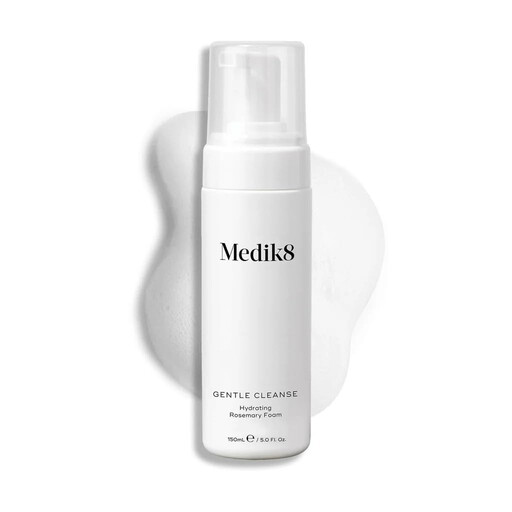
Why it suits this profile: Its stated vegan and cruelty-free formula is aimed at shoppers who like to compare product features and specific ingredients to avoid.
The product details explicitly state that it contains no alcohol, parabens, phthalates or artificial fragrances. The current INCI list remains the definitive guide.
150 ml, in a pump bottle, with glycerine according to the product description; designed for the face and neck.
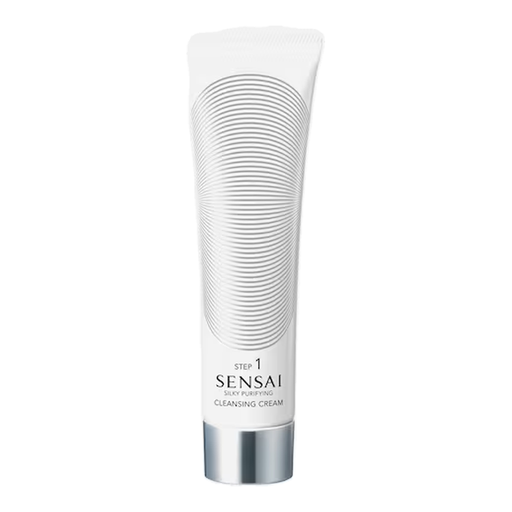
Why it suits this profile: This creamy formula is designed to remove oil-based residue such as make-up and sebum, and can be used as the first step in your cleansing routine.
The product description specifies the product type, use on dry skin and intended use as step 1. Fragrance ingredients are listed in the INCI.
125 ml, a creamy consistency and stated suitability for different skin types.
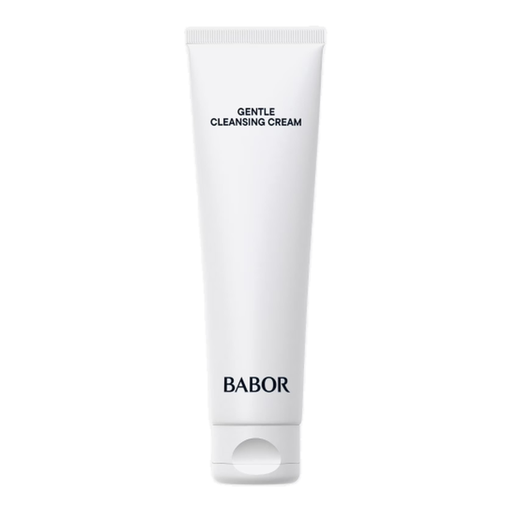
Why it suits this profile: Its stated fragrance-free milky texture may appeal to people who prefer to limit fragrance in their facial cleanser.
The product details state that it contains no fragrance, sulphates, parabens or silicones. Check the current ingredients list on the packaging.
100 ml, a creamy consistency, and aloe vera and bisabolol according to the product description.
We’ve put together a complete, regularly updated list of products that meet these strict selection criteria and fully comply with the safety regulations in force in the EU.
Use a small amount and follow the manufacturer’s specific instructions. With face wash gel, you’ll usually wet your face first, while cleansing cream is often spread over dry skin. Rinse with lukewarm water and avoid rubbing hard. For eye make-up, use a dedicated make-up remover if the product specifically states that it’s suitable for this purpose.
Store your facial cleanser in a cool, dry place away from direct sunlight. You’ll find the shelf life and batch number on the packaging. Stop using the product if you experience redness, stinging or other irritation. If symptoms persist, seek medical advice.
Many products are intended for use morning and evening. The right frequency depends on your skin type, make-up, sun protection, sweating and how your skin feels. Avoid rubbing too hard or using very hot water.
Face wash gel is usually rinsed off with water and suits people who prefer a fresh, lightweight cleansing feel. Cleansing cream or facial cleansing milk has a creamier texture and is designed to help dissolve oil-based residue. Your skin type, make-up habits and the product’s INCI list are all important factors.
Check the symbol showing how long the product can be used after opening, as well as the best-before or expiry date on the packaging. If the smell, colour or consistency changes, stop using the product.