
Lieferung heute & morgen

Qualitätsgarantie

Willkommens-Angebote freischalten: KOSTENLOSE Lieferung | Bis zu 80 % RABATT | Kostenlose 30-Tage-JoyPlus-Testphase
App herunterladen
The right facial cleanser should remove dirt, excess sebum, make-up and sunscreen without putting unnecessary strain on your skin. But choosing one can be confusing: gel cleansers, foaming cleansers, cleansing oils, cleansing balms and exfoliating cleansers are often promoted with similar claims. What matters is not the most eye-catching wording on the packaging, but your skin type, how you use the product and the full INCI list.
A facial cleanser cannot permanently shrink pores. However, products can remove surface sebum and residue, which may temporarily make your skin look more even. When choosing a pore cleanser, check whether the claimed benefits are supported by specific ingredients such as clay, salicylic acid or suitable surfactants.
A tight feeling after washing is often taken as a sign of a particularly thorough cleanse. However, it may indicate that the formula is too stripping for your skin. For sensitive skin, mild surfactants, a short cleansing time and lukewarm water are usually better than prolonged rubbing or very hot water.
A salicylic acid facial cleanser, a physical exfoliating cleanser and other exfoliating products should not be combined indiscriminately in the same routine. Salicylic acid is a cosmetic ingredient used for cleansing and exfoliation, but it is not a substitute for dermatological treatment. Stop using the product if you experience redness, stinging or irritation.
The INCI list shows which ingredients are actually in the product. The products featured here include, among other things:
Ingredient lists can change. Before use, check the information on the product packaging against the online description.
A facial cleanser is usually spread over damp skin, massaged in briefly and rinsed off thoroughly. A cleansing oil or balm is applied to dry skin first, then emulsified with water. A small amount is usually enough for daily facial cleansing. Washing more often or for longer does not automatically make it more effective.
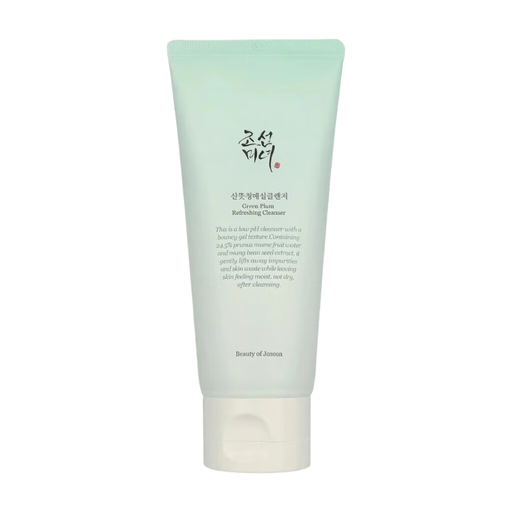
Why this product suits this profile: The gel lathers with water and is designed for straightforward daily facial cleansing. According to the product information, it contains plum water, mung bean extract and glycerin, among other ingredients.
The product description highlights a mild, slightly acidic cleanse rather than promising to permanently shrink pores.
100 ml size, gel texture and a documented surfactant system containing Sodium Cocoyl Isethionate and Cocamidopropyl Hydroxysultaine.
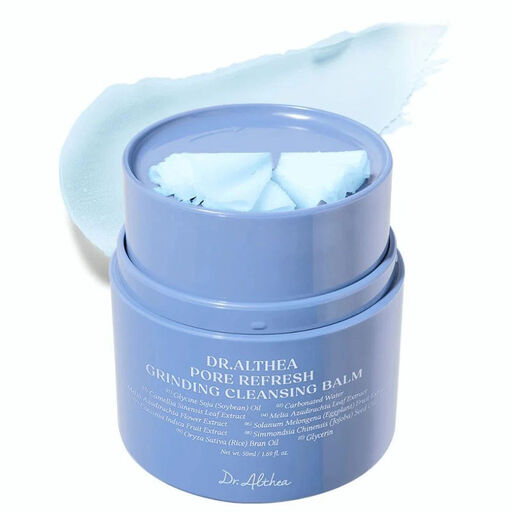
Why this product suits this profile: The balm is designed as the first step in a double-cleansing routine and, according to the product information, helps dissolve make-up, sunscreen and everyday dirt.
Rather than rubbing at water-resistant make-up with a foaming cleanser, apply the balm to dry skin and then emulsify it.
50 ml size, applied with dry hands, then rinsed with water or followed by a second cleanser.
We’ve put together a complete, regularly updated list of products that meet these strict selection criteria and the safety requirements in force in the EU.
For many people, cleansing once in the evening is enough to remove dirt, sunscreen and make-up. If you sweat heavily or have oily skin, an additional cleanse in the morning may be useful. If your skin is dry or sensitive, adjust how often you cleanse according to how your skin feels.
Check the best-before date, batch number and, where applicable, the period-after-opening symbol on the packaging. Stop using a product if its smell, colour or consistency changes. Storing it in a cool, dry place out of direct sunlight can help maintain its quality.
A foaming cleanser can remove excess sebum and residue, but it is not automatically right for every oily skin type. After rinsing, your skin should not feel intensely sore or remain tight for a prolonged period. If you have blemish-prone, sensitive combination skin, mild surfactants and limited use are often a better choice than maximising the lather.