
Lieferung heute & morgen

Qualitätsgarantie

Willkommens-Angebote freischalten: KOSTENLOSE Lieferung | Bis zu 80 % RABATT | Kostenlose 30-Tage-JoyPlus-Testphase
App herunterladen
The search for an effective facial cleanser for blemish-prone skin can be a frustrating experience. The market is saturated with products that promise rapid results, yet they often fail to deliver the desired outcome or even worsen existing skin problems. Many users invest in products that seem convincing at first glance but ultimately don't provide the hoped-for clarity in the long run.
Before you make a purchasing decision, it's helpful to be aware of two common pitfalls:
A thoughtful selection tailored to your skin's specific needs is the key to achieving a clearer, more balanced complexion.
To find a suitable product, it's wise not to be guided solely by marketing messages. Three objective criteria can help you evaluate a cleanser's suitability for oily skin and blemishes.
Chemical exfoliating acids are key components in many formulations for facial cleansers for blemish-prone skin. They remove dead skin cells and can help counteract clogged pores.
Surfactants are the cleansing agents responsible for a product's cleaning power. Aggressive sulphates (e.g., Sodium Lauryl Sulfate/SLS) can weaken the skin barrier. A clarifying cleansing gel should be based on milder surfactants, such as Cocamidopropyl Betaine or Sodium Cocoamphoacetate. These cleanse effectively without excessively stripping the skin of its natural moisture.
The skin's surface naturally has a slightly acidic pH of around 5.5. This "acid mantle" fends off harmful microorganisms. A cleanser with a skin-neutral or slightly acidic pH supports this natural protective function. Products with a high (alkaline) pH can disrupt the skin barrier, making it more susceptible to dryness and irritation.
The right choice of product depends heavily on your individual skin condition and personal goals. Here are some recommendations tailored to different user profiles.
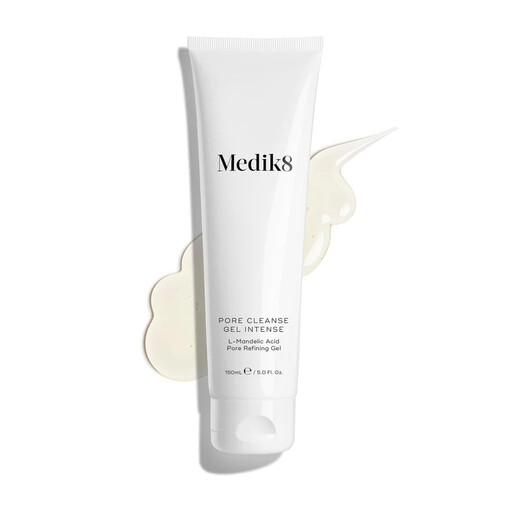
Why This Fits Their Persona: This gel is an excellent choice for individuals with oily skin who want to specifically target clogged pores and blackheads. It is intended for users seeking a more intensive cleansing action to refine their complexion and reduce large pores.
Instead of relying on a single active ingredient, this facial pore cleanser uses a sophisticated combination of L-Mandelic Acid (AHA), Lactic Acid (AHA), and Salicylic Acid (BHA). This synergy enables effective yet controlled exfoliation.
Combines surface-level and deep pore cleansing. Red clover extract helps regulate sebum production for a mattified finish.
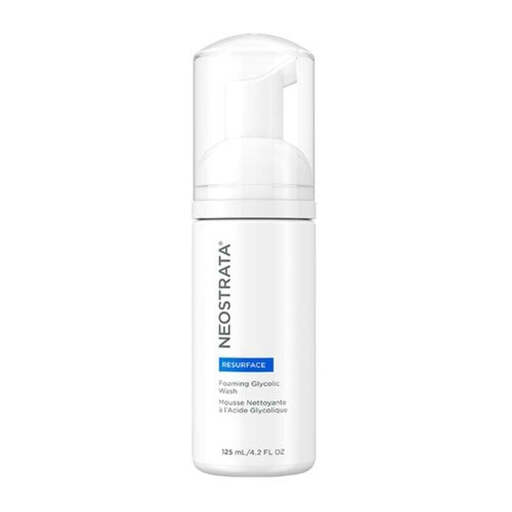
Why This Fits Their Persona: This product is specifically aimed at individuals whose skin is already accustomed to using glycolic acid. It is designed for those seeking a high-potency solution for skin texture renewal and for prepping the skin for subsequent skincare products.
It avoids setting false expectations by being clearly positioned as a product for experienced users. The high concentration of 18% glycolic acid is not a hidden detail but the core feature for a target audience that is looking for exactly that.
Provides intensive exfoliation with highly concentrated Glycolic Acid (AHA) and Lactobionic Acid (PHA). The soap-free, pH-balanced formula cleanses thoroughly yet in a controlled manner.
We have compiled a comprehensive, up-to-date list of products that fully meet these strict selection criteria and current safety regulations.
The frequency of use depends on the product's formulation and your individual skin sensitivity. Many mild cleansers are designed for twice-daily use (morning and evening). For highly concentrated products, or if you notice any dryness or irritation, reducing use to once a day or every other day may be advisable. Always follow the manufacturer's instructions.
Yes, if the concentration is too high or it's used too frequently, salicylic acid can dry out the skin. For this reason, it's important to choose a product that suits your skin type. Start with a lower frequency and monitor how your skin reacts. Following up with a moisturiser after cleansing is essential to support the skin barrier and balance moisture levels.
Pore size is genetically determined and cannot be permanently changed. However, cleansing products, especially those with BHA (salicylic acid), can help pores appear smaller. By removing the sebum, dirt, and dead skin cells that can stretch pores, they create a more refined and even complexion. Regular, thorough cleansing is the key to keeping pores clean and less noticeable.