
Lieferung heute & morgen

Qualitätsgarantie

Willkommens-Angebote freischalten: KOSTENLOSE Lieferung | Bis zu 80 % RABATT | Kostenlose 30-Tage-JoyPlus-Testphase
App herunterladen
A facial cleansing balm can dissolve make-up, sunscreen and excess sebum without the need for prolonged rubbing. It’s a practical option, particularly for removing waterproof make-up, caring for dry skin or following a Korean skincare routine. However, not every product will automatically give you the right kind of cleanse.
Three common buying misconceptions can cost you money unnecessarily:
A good cleansing balm should be applied to dry skin with dry hands. The warmth of your skin melts it into an oily texture. Then add a little water. This step, called emulsification, turns the oil into a milky mixture that’s easier to rinse off.
If a greasy film remains, you may not have used enough water, massaged for long enough or rinsed thoroughly. The same principle applies to facial cleansing oil: first dissolve make-up and sunscreen, then emulsify with water and rinse well.
If you’re looking for a facial cleanser for sensitive skin, check the INCI list particularly carefully. Keep an eye out for:
If your skin is prone to blemishes or clogged pores, a non-greasy finish may feel more comfortable. However, cosmetic cleansing is no substitute for advice from a dermatologist.
A mini size can be handy for occasional use or travelling. If you use a cleanser regularly, you may prefer 100 to 125 ml, or a 500 ml bottle of cleansing oil. A spatula makes it easier to take product hygienically from a jar, while a pump dispenser is especially convenient for daily use.
Double cleansing usually means using an oil-based product first to dissolve make-up, sunscreen and sebum, followed by a water-based cleanser to remove any remaining residue. You don’t need to follow this routine every time, or for every morning cleanse. Cleansing too often or for too long can leave dry or sensitive skin feeling tight.
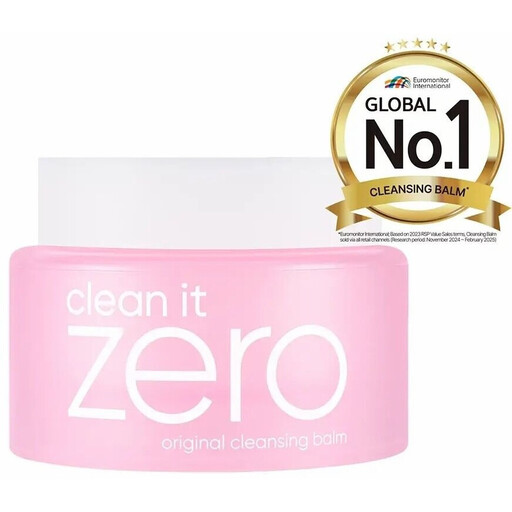
Why it suits this profile: The mini size is ideal for trying out a balm texture and for travelling. The product description says it’s suitable for all skin types and should be used on dry skin.
The smaller size means you don’t have to commit to a large jar before finding out whether the texture, fragrance and rinsing experience suit your routine.
50 ml size, solid balm-to-oil texture and designed to emulsify with water.
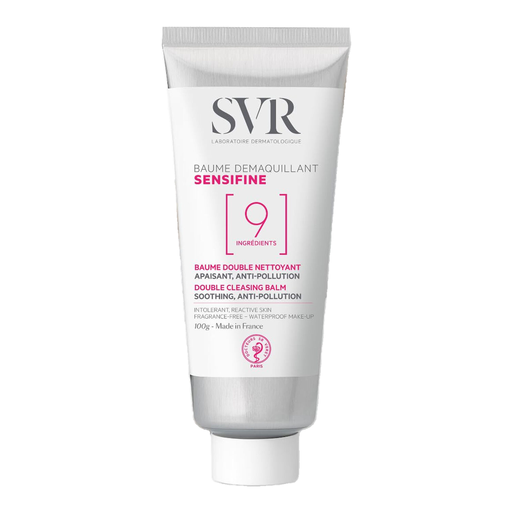
Why it suits this profile: The formula is listed as containing nine ingredients and is described as fragrance-free. This may appeal if you prefer a shorter INCI list.
The product information clearly addresses fragrance, rather than relying on a general “gentle cleansing” claim. Always check the details on the current packaging.
100 ml size, balm-to-oil texture and described as fragrance-free.
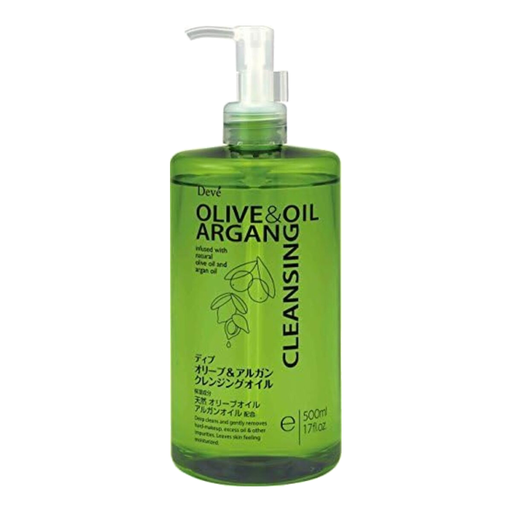
Why it suits this profile: The 500 ml bottle is designed for people who use cleansing oil regularly and prefer to stock up in a larger size.
The large size is clearly stated, so you can compare it with how much you actually use instead of relying on assumptions about how long it will last.
500 ml size, with olive and argan oils according to the product information; can be used on dry or damp skin.
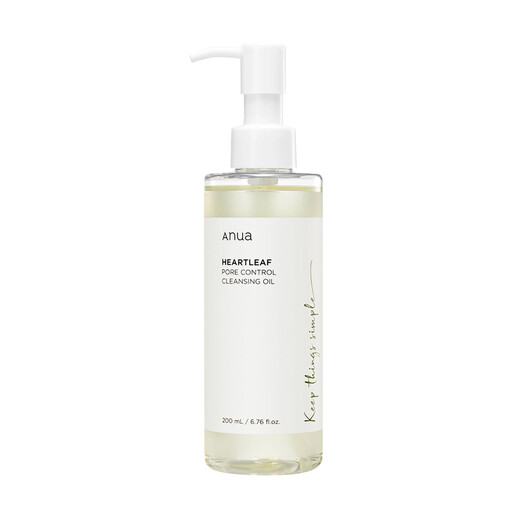
Why it suits this profile: The product description mentions heartleaf extract, a lightweight oil texture and a non-comedogenic formula. It’s aimed at people interested in pore care and a lighter-feeling finish.
The pore-focused claims are backed up with specific information about emulsification, the oil texture and ingredients. However, the product information says the formula contains fragrance.
200 ml size, pump dispenser and a formula described as non-comedogenic.
We’ve put together a complete, regularly updated list of products that meet these strict selection criteria and fully comply with the safety regulations in force in the EU.
Avoid contact with your eyes. Stop using the product if you experience redness, itching or a burning sensation. Always follow the current ingredients list on the packaging, as formulas can change.
It depends on your individual tolerance and the formula. Fragrance-free products with shorter ingredient lists may be easier for some people to assess. Before using the product all over your face for the first time, try a patch test on a small area of skin.
Not necessarily. If you’ve been wearing a lot of make-up or sunscreen, or a film remains on your skin, a second, water-based cleanser may be helpful. If you have dry skin, don’t assume you need to cleanse twice a day, morning and evening.
Check the best-before date, batch details and PAO symbol on the packaging. Close jars securely after use and keep them away from heat and direct sunlight. If the product’s smell, colour or consistency changes noticeably, stop using it.