
Lieferung heute & morgen

Qualitätsgarantie

Willkommens-Angebote freischalten: KOSTENLOSE Lieferung | Bis zu 80 % RABATT | Kostenlose 30-Tage-JoyPlus-Testphase
App herunterladen
A facial cleansing balm can dissolve make-up, sun protection and excess sebum without the need for vigorous rubbing. However, products can vary considerably in texture, ingredients, how you use them and how they feel on your skin. If you focus only on claims such as ‘pore cleansing’, ‘hypoallergenic’ or ‘for all skin types’, you could quickly end up with a product that doesn’t suit your skin or your daily routine.
‘For sensitive skin’, ‘pore-refining’ and ‘leaves skin feeling comfortable’ aren’t standardised technical categories. What matters is the full INCI list, the directions for use and details such as whether the product is fragrance-free, its size and how it emulsifies.
A balm may dissolve make-up, but still not be suitable for sensitive skin because of its fragrance or essential oils. For blemish-prone skin, an oil-based texture isn’t automatically a problem—or automatically a good fit. You can’t tell how well you’ll tolerate a product from its name alone.
A cleansing balm is usually applied to dry skin with dry hands. Water is then added to turn the oil phase into a milky emulsion. If you don’t emulsify it for long enough or rinse it off thoroughly, residue may leave your skin feeling uncomfortable.
Don’t rub hard to remove waterproof make-up from your eyes and lips. It’s better to let the texture sit briefly, then remove it gently. If it gets into your eyes, rinse them thoroughly with water straight away.
With double cleansing, an oil- or balm-based first step is followed by a water-based cleanser. This can be useful if you need to remove a lot of sun protection, long-wear make-up or visible dirt. However, if your skin becomes persistently dry, red or irritated afterwards, it’s worth adjusting your routine.
Some cleansing oils are described as suitable for use on their own. Other balms are specifically recommended as a first step. So don’t assume that ‘no second cleanser needed’ applies to every facial cleanser.
A solid cleansing balm usually melts into an oily texture on contact with the skin. Check whether the manufacturer recommends emulsifying it with water afterwards. A milky emulsion is generally easier to rinse off than a pure oil phase.
If you prefer a lighter texture, you could choose a cleansing oil. Pump bottles are convenient for everyday use, while balms in jars with a spatula are often more compact for travel. The selection includes sizes ranging from small 20- or 50-ml formats to 240 ml.
For sensitive skin, a short formula and avoiding declarable fragrance ingredients may be useful selection criteria. SVR SENSIFINE Cleansing Balm is described as containing nine ingredients and being fragrance-free. Other products contain fragrance, essential oils or plant extracts, which may suit some people better than others.
For blemish-prone skin, it’s worth looking at the whole formula rather than relying on individual claims. According to the listed INCI ingredients, BANILA CO’s Pore Clarifying version contains salicylic acid, capryloyl salicylic acid and tea tree oil, among other ingredients. This is product information, not a promise of a medical effect.
A 100-ml jar is designed for regular use, while 7-ml samples can be handy for checking how well you tolerate a product or for taking on holiday. Sets may include different versions to compare. For a realistic cost comparison, look beyond the pack price and consider the volume and amount needed per use.
Also check the packaging for the best-before date, batch number and PAO symbol. The INCI list can change from one production batch to another, so always refer to the information on the product you actually receive.
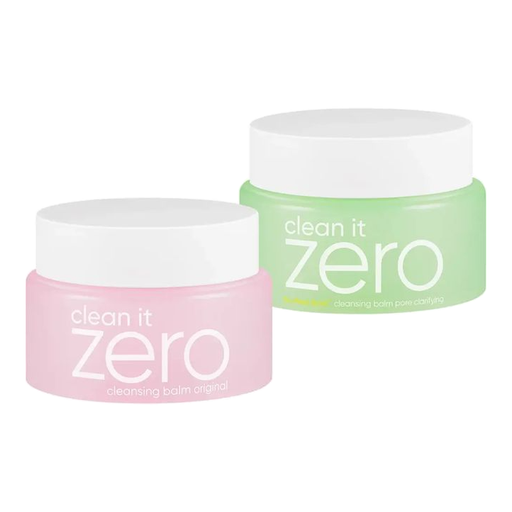
Why this product suits this profile: The set of two 7-ml pots lets you compare Original and Pore Purifying before buying a larger pack, or take them with you when travelling.
The small size limits the risk of buying a large jar only to find that the texture or fragrance doesn’t suit you.
Travel-friendly size, two versions and a balm-to-oil texture that emulsifies with water.
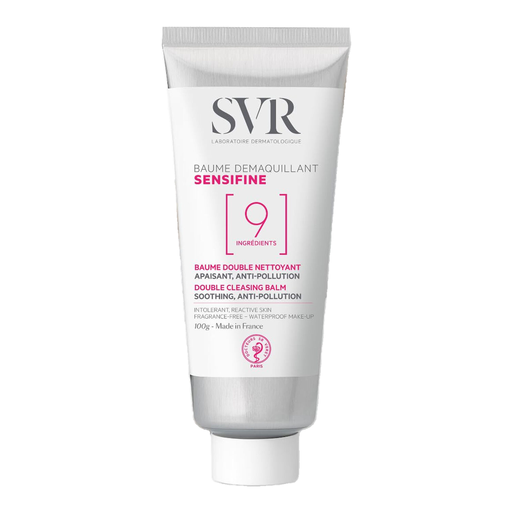
Why this product suits this profile: The stated formula contains nine ingredients, is fragrance-free and comes in a 100-ml size, making it a good fit for those who prefer a minimalist formula.
The stated absence of fragrance helps you avoid one common extra consideration when choosing products for sensitive skin.
Balm-to-oil texture, forms a milky emulsion with water, and is described by the supplier as suitable for sensitive, reactive skin.
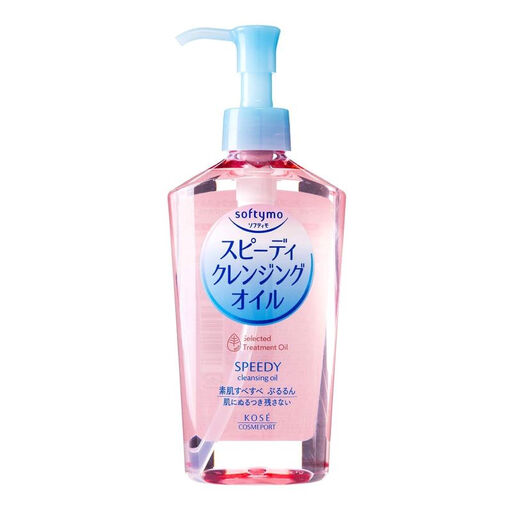
Why this product suits this profile: The generous 240-ml bottle is suitable for regular use. According to the product description, the oil can be used on damp skin with damp hands.
The stated suitability for use with damp hands means you don’t have to rely on having completely dry hands and skin.
240 ml, pump dispenser and, according to the supplier, free from alcohol, fragrance, colourants and parabens.
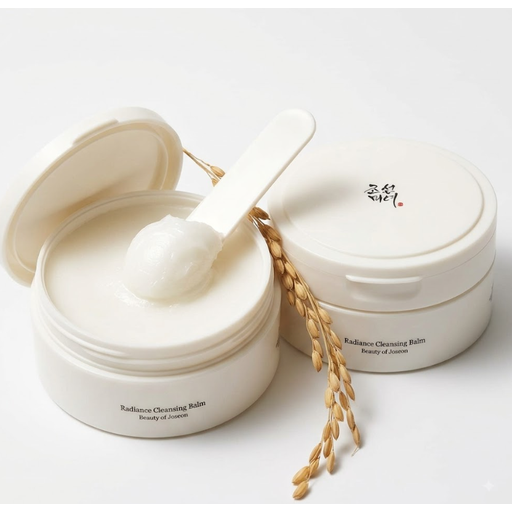
Why this product suits this profile: Rice Bran Oil and Rice Seed Water are listed as ingredients in the product description. The 100-ml size is a good fit for a regular evening routine.
The clear description of its balm-to-oil-to-milk texture explains the required step and helps you rinse the product off thoroughly.
100 ml, an oil-based first cleansing step and emulsification with water afterwards.
We’ve put together a complete, regularly updated list of products that meet these strict selection criteria and fully comply with the safety regulations in force in the EU.
If you have sensitive or blemish-prone skin, it’s a good idea to test the product on a small area of skin before using it all over your face for the first time. Stop using it if you experience stinging, itching, redness or a rash.
It depends on the individual formula and how well your skin tolerates it. Oil-based textures may feel less stripping during cleansing than some foaming products. Even so, you should consider the INCI list, fragrance and how your skin feels after rinsing.
Many products are designed for this, according to their manufacturers. It’s particularly important to use enough product, massage gently and emulsify it with water afterwards. Don’t rub when removing eye make-up. If any residue remains, a suitable eye make-up remover may be helpful.
There’s no set answer. It depends on how often you use it, how much make-up you apply and how much product you use each time. If you only remove light make-up, you’ll usually need less than when removing waterproof make-up or several layers of sun protection. Good hygiene also depends on using a clean spatula, keeping the jar tightly closed and following the packaging’s shelf-life guidance.