
Lieferung heute & morgen

Qualitätsgarantie

Willkommens-Angebote freischalten: KOSTENLOSE Lieferung | Bis zu 80 % RABATT | Kostenlose 30-Tage-JoyPlus-Testphase
App herunterladen
A facial cleansing balm can dissolve make-up, waterproof mascara, sun protection and excess sebum without the need for vigorous rubbing. However, not every balm suits every skin type or skincare routine. Texture, ingredients, how it’s used and pack size matter more than attention-grabbing marketing claims.
The phrase “for all skin types” describes a broad target audience, but it doesn’t guarantee that a product will suit your skin. Fragrances, essential oils, citrus ingredients and certain plant extracts may not be ideal for sensitive or reactive skin. If you’re prone to redness, check the full INCI list and try the balm on a small patch of skin first.
A balm can dissolve oil- and fat-soluble residue on your face. This may make your pores feel temporarily cleaner, but it doesn’t mean they’ll look smaller or your complexion will stay clear long term. Take particular care with products containing salicylic acid, LHA or other acids, especially if your skin is already sensitive.
Cleansing balms are often sold in jars. With daily use, you may get through a product faster than expected. Sizes such as 7 ml, 50 ml or 100 ml are handy for travel or trying a product for the first time. It’s also important to use a clean spatula or a hygienic pump mechanism to keep water and dirt out of the jar.
A balm-to-oil cleanser is applied to dry skin, where it melts with the warmth of your skin. Then you add a little water. The balm should turn into a milky emulsion that rinses off with lukewarm water. If it leaves a noticeable greasy film, you may want to follow it with a second cleanser.
For reliable results, follow these three steps:
If you have sensitive skin, shorter, simpler formulas may be easier to assess. For example, the SVR SENSIFINE Cleansing Balm is described as containing nine ingredients, being fragrance-free and hypoallergenic. These are product claims, but they don’t replace checking how your skin responds.
Oils, shea butter or squalane may affect how your skin feels after cleansing if it’s dry. If your skin is prone to blemishes or clogged pores, look out for rich ingredients and potential fragrances. Cosmetic cleansing is not the same as medical treatment.
50 ml is suitable for occasional use or a compact skincare routine. For daily facial cleansing, 100 to 125 ml is more practical. A spatula helps with jars, while a twist mechanism or pump can make dispensing easier. Check the packaging for the manufacturer’s guidance on shelf life, batch number and Period After Opening.
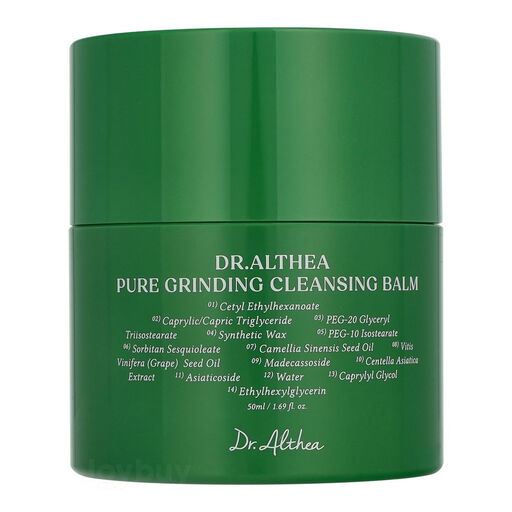
Why this product suits this profile: The 50 ml size is manageable, and the twist mechanism lets you dispense just the amount you need. According to the product description, the balm is vegan and contains 14 ingredients.
Twist dispensing helps prevent you from taking out more product than you need. The balm is designed to be thoroughly emulsified when removing waterproof make-up and sun protection.
50 ml, vegan according to the supplier, and free from parabens, synthetic fragrances and synthetic colourants.
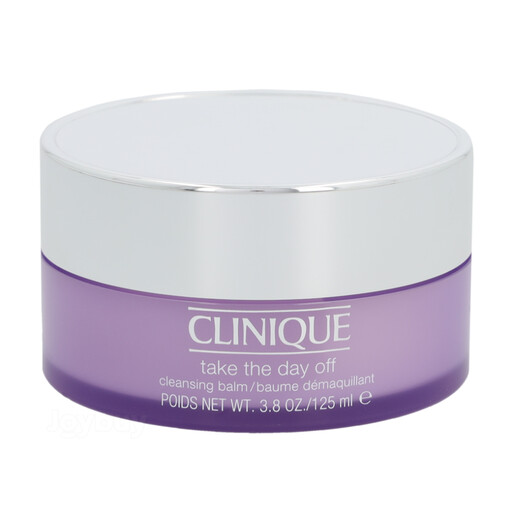
Why this product suits this profile: The 125 ml size is designed for regular use. According to the product description, the formula is intended for the face and eye make-up.
Using the balm and then emulsifying it helps you avoid rubbing hard to remove make-up.
125 ml, suitable for all skin types according to the supplier, and designed to dissolve make-up and sun protection.
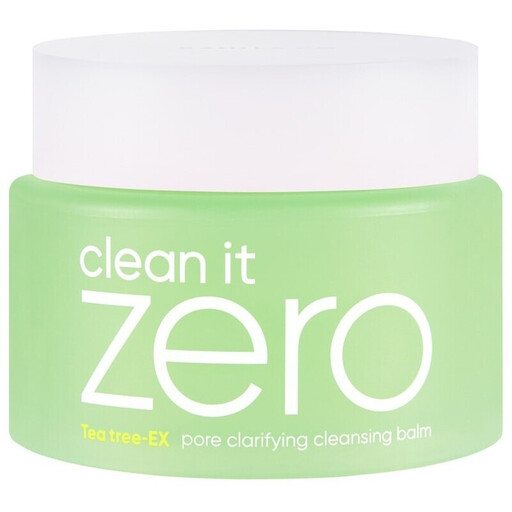
Why this product suits this profile: The 180 ml size is aimed at people who regularly remove make-up, sun protection and oil-based residue, and prefer a larger supply.
The product variant clearly states that it is designed for pore care. If your skin is sensitive, take particular care when assessing the salicylic acid and capryloyl salicylic acid it contains.
180 ml, balm-to-oil texture, designed for make-up and sun protection, and suitable as the first step in a double-cleansing routine.
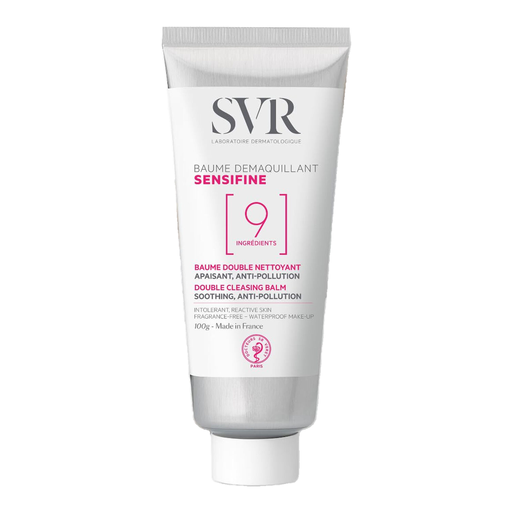
Why this product suits this profile: Its stated short, fragrance-free formula may appeal if you’re looking to keep the number of ingredients to a minimum.
The product description states that the formula is fragrance-free. Still, check the current packaging before first use.
100 ml, fragrance-free according to the supplier, and described as a balm-to-oil cleanser for make-up and waterproof products.
We’ve put together a complete, regularly updated list of products that meet these strict selection criteria and fully comply with the safety regulations in force in the EU.
A cleansing balm is usually used as the first step in a double-cleansing routine. After rinsing it off thoroughly, you can follow with a water-based cleanser. This is particularly useful if you’ve been wearing a lot of make-up, waterproof sun protection or long-wear primer.
If your skin is dry, keep the application time short and avoid massaging with too much pressure. Lukewarm water is usually more comfortable than very hot water if your skin is sensitive. Rinse thoroughly if the product gets in your eyes. Stop using it if you experience redness, stinging or any other reaction.
Many products are designed for daily use. Whether that’s right for you depends on your skin type, make-up and sun protection, as well as how your skin feels. If your skin is dry or sensitive, you may find that using it less often is enough.
A cleansing balm for waterproof make-up can dissolve oily and stubborn residue. For best results, use enough product on dry skin, massage gently and emulsify it fully with water. If you’re wearing very long-lasting eye make-up, a separate make-up remover may be more practical.
Follow the period-after-opening symbol, the best-before date and the instructions on the packaging. Close jars securely and keep them dry, away from heat and direct sunlight. Using a spatula reduces direct contact with the product.