
Lieferung heute & morgen

Qualitätsgarantie

Willkommens-Angebote freischalten: KOSTENLOSE Lieferung | Bis zu 80 % RABATT | Kostenlose 30-Tage-JoyPlus-Testphase
App herunterladen
The right facial cleanser should remove dirt, excess sebum, sun cream and make-up without putting unnecessary strain on your skin. However, the wide choice of facial cleansers, cleansing foams, micellar waters and cleansing oils can quickly lead to unsuitable purchases. As a Joybuy Product Recommendation Officer, I assess the key buying criteria objectively and explain which product types may suit different requirements.
A squeaky-clean or tight feeling after washing is not a reliable indicator of quality. It may suggest that the cleanser has a highly degreasing formula or has been left on for too long. Particularly if you have dry, dehydrated or sensitive skin, it is worth looking for gentle surfactants, humectants such as glycerin or a clearly stated low-pH formula.
A facial cleanser for blemish-prone skin or a salicylic acid facial cleanser may focus on a specific skincare concern. However, concentration, directions for use and individual tolerance remain important. Salicylic acid is included in several of the products featured here. It should not be used on irritated or damaged skin without consulting a professional. Cosmetic products are also not a substitute for dermatological treatment.
Micellar water can be practical in the morning or when you are out and about, while a cleansing oil or cleansing balm can dissolve waterproof make-up. A cleansing foam is easy for many people to use, but may feel different on very dry skin compared with a creamy or non-foaming facial cleanser. Product type and skin needs should therefore be considered together.
A pH level of around 5.5 is described as skin-friendly by several Korean facial cleansers. This is a verifiable product parameter, but is not by itself proof of individual tolerance. The combination of surfactants used is equally important. Depending on the formula, amino acid surfactants, betaine surfactants or other gentle cleansing ingredients may be used.
Micellar water is typically applied to a cotton pad and used without rinsing. If you want to avoid residue or find that a product causes a reaction, you can rinse your face with water afterwards. Cleansing oil and cleansing balm are generally spread over dry skin, emulsified with water and then rinsed off. A small amount is sufficient for foaming cleansers; prolonged rubbing is not necessary.
Also check the fill quantity, PAO symbol, best-before date and batch information on the packaging. The actual INCI list may change between individual batches and should be checked on the product before use.
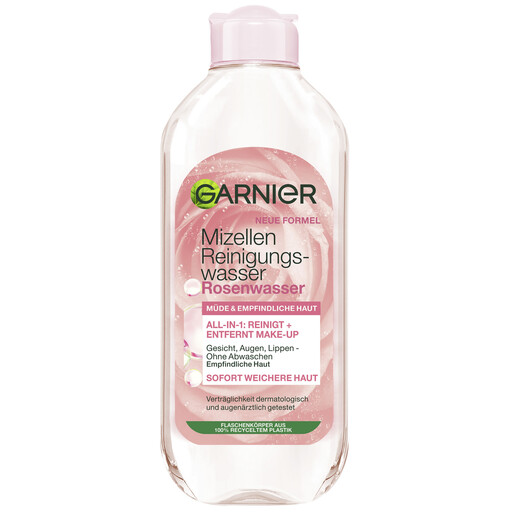
Why this product suits the profile: This micellar water is described as a straightforward option for the face, eyes and lips, making it suitable for quick everyday cleansing.
The instructions are clear: apply to a cotton pad and gently sweep over the skin. This means vigorous rubbing is not treated as a necessary part of the cleansing process.
400 ml contents, micellar technology and glycerin in the listed formula.
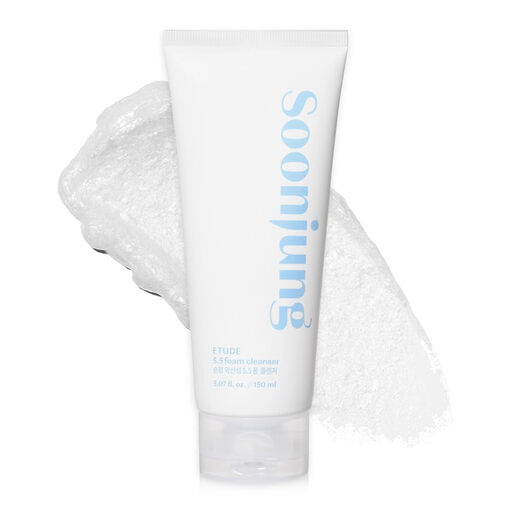
Why this product suits the profile: The stated pH level of 5.5, panthenol and madecassoside appeal to buyers who pay close attention to formulation details when choosing a daily cleansing foam.
The specific pH level is easier to verify than a general claim such as “particularly kind to the skin”. The product description also states that it contains no fragrances or synthetic colourings.
Low-pH formula, 150 ml contents, plus panthenol and madecassoside in the stated INCI list.
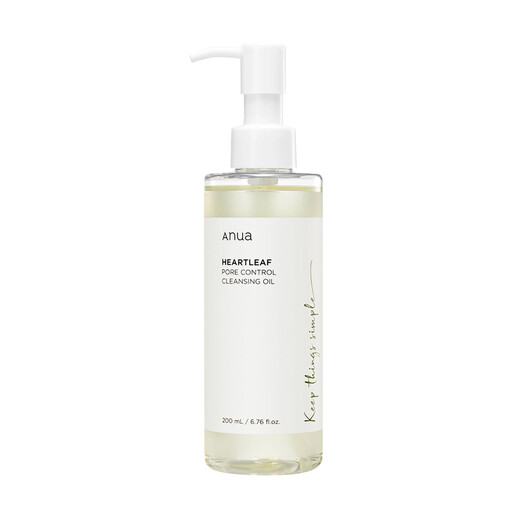
Why this product suits the profile: This cleansing oil is designed to remove make-up, sun cream and excess skin oil, and can be emulsified with water.
The instructions specifically describe emulsifying the product with water. This reduces the risk of simply wiping off the oil superficially and leaving residue on the skin.
200 ml contents, water-emulsifying application and heartleaf extract in the product description. The formula contains fragrances.
We have put together a complete, regularly updated list of products that fully meet these strict selection criteria and the safety regulations applicable in the EU.
For many people, cleansing once in the morning and once in the evening is sufficient. If your skin is dry or sensitive, water alone may be enough in the morning, while make-up, sun cream and environmental particles should be removed in the evening. The key is a short application time, lukewarm water and as little rubbing as possible.
It depends on how you intend to use it. Micellar water is practical for light make-up, when you are out and about or when you need a quick cleanse. A rinse-off facial cleanser may be suitable if you want to remove residue from sun cream, perspiration or skincare products thoroughly. For waterproof make-up, a cleansing oil or cleansing balm is often more effective.
Check the PAO symbol on the packaging; for example, 12M indicates twelve months after opening. A change in smell, colour, consistency or the way your skin feels is also a reason to stop using the product. You will find the specific shelf life and batch information on the relevant packaging.