
Lieferung heute & morgen

Qualitätsgarantie

Willkommens-Angebote freischalten: KOSTENLOSE Lieferung | Bis zu 80 % RABATT | Kostenlose 30-Tage-JoyPlus-Testphase
App herunterladen
A facial cleansing cream should remove make-up, sun cream, sebum and environmental particles without leaving your skin feeling tight after rinsing. But the choice can be confusing: cleansing creams, facial cleansing balms, cleansing butters and cleansing balms can differ considerably in how you use them, their ingredients and how they feel on your skin.
A rich lather or a squeaky-clean feeling doesn’t automatically mean your skin is cleaner. Very stripping surfactants or frequent rubbing can feel uncomfortable, especially on dry or sensitive skin. What matters is whether the texture suits the residue you want to remove and your skin type.
Oils, plant extracts, fragrances and essential oils can make a product pleasant to use, but they won’t suit everyone. If you have any known allergies, check the full INCI list. Potential allergens include peanut oil, almond oil and fragrances, as well as fragrance allergens that must be declared, such as limonene and linalool.
A balm or cleansing butter will often dissolve foundation, sun cream and waterproof eye make-up as a first step. Whether you need a second cleanse depends on the product, how your skin feels and what you’ve been removing. With the double cleansing routine, you first use an oil- or balm-based cleanser, followed by a water-based cleanser.
Always follow the manufacturer’s instructions. A product designed for dry skin isn’t necessarily suitable for removing eye make-up.
When choosing facial cleansing products for sensitive skin, pay particular attention to fragrances, alcohol and potential allergens. A short INCI list isn’t automatically better; what matters more is whether it contains anything you know your skin doesn’t tolerate.
Moisturising ingredients such as glycerin, panthenol or certain oils can affect how your skin feels after cleansing. However, this doesn’t mean they have a medical effect. Don’t use a cleansing product on irritated, broken or inflamed skin.
For a waterproof make-up remover, the key things to consider are whether it should be used on dry skin, how long to leave it on or massage it for, and how to emulsify it afterwards. Avoid rubbing your eyes hard. If the product gets into your eyes, rinse thoroughly with plenty of water.
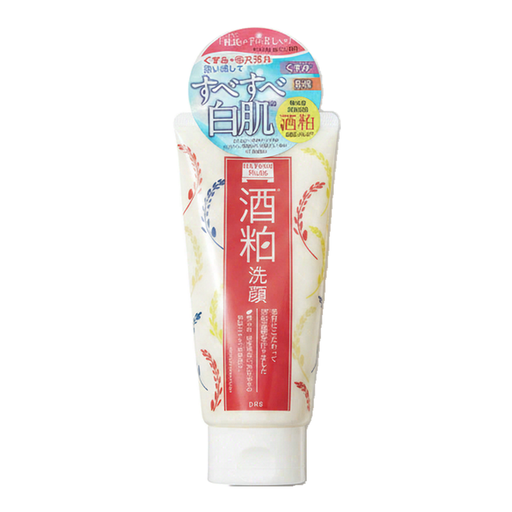
Why it suits this profile: The creamy texture is a good option if you’re looking for a classic facial cleanser in a larger size to remove make-up and everyday residue.
The instructions recommend applying it with dry hands and rinsing it off afterwards. This can help you avoid unnecessary rubbing when removing make-up.
170 g size; according to the product details, formulated with sake kasu extract, glycerin and rice ferment.
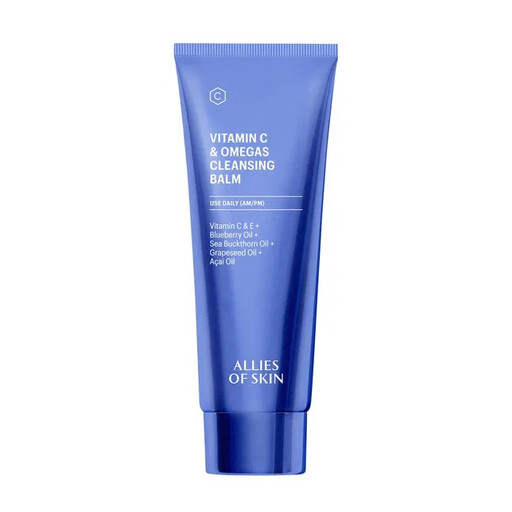
Why it suits this profile: A good choice if you’re looking for a clearly explained balm-to-oil texture and a first cleansing step that suits different skin types.
The product details state that it removes waterproof make-up and can be used with water or a cloth afterwards. Even so, check whether it suits your skin personally.
100 ml size; according to the product details, formulated with vitamin C, vitamin E and a complex of eight oils.
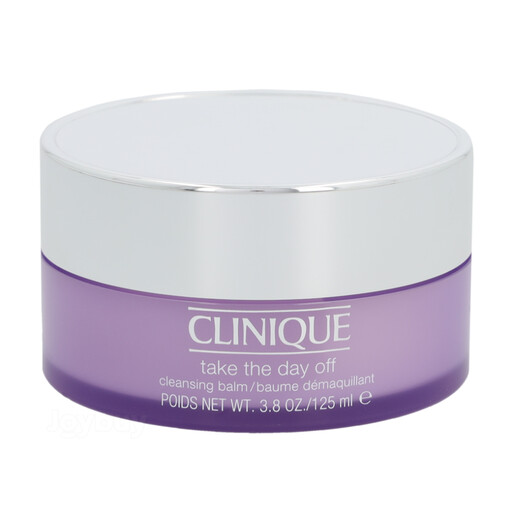
Why it suits this profile: A practical option if you regularly remove sun cream, face and eye make-up, and prefer to use a separate first cleansing step.
The instructions recommend applying it to dry skin and rinsing thoroughly, helping to avoid the common mistake of using balm products on wet skin.
125 ml size; according to the product details, the balm transforms into an oil during use and removes make-up and sun cream.
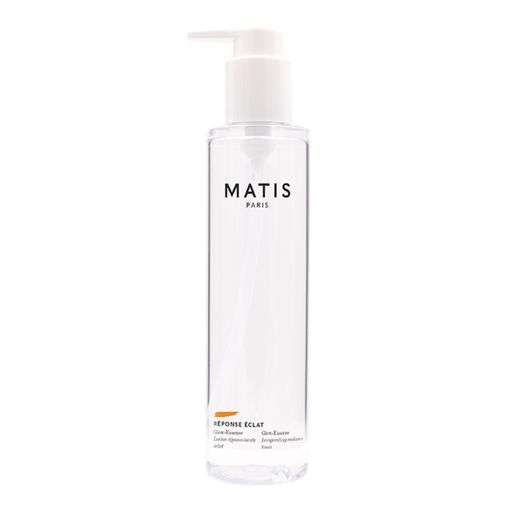
Why it suits this profile: Its creamy texture and stated suitability for sensitive skin make it a good fit for a gentle massage as part of your evening routine.
The instructions recommend a gentle massage and removing the product with a cotton pad. If you have sensitive skin, try a small patch test first.
200 ml size; according to the product details, formulated with illipe butter and saffron flower extract.
Don’t try to clean your pores by squeezing, brushing or rubbing your skin for too long. Stop using the product if you experience burning, redness or itching. The period after opening and the best-before date are shown on the packaging.
We’ve put together a complete, regularly updated list of products that meet these strict selection criteria and fully comply with the safety regulations in force in the EU.
Cleansing cream usually stays creamy or lathers slightly. A cleansing balm starts off firmer and often turns oily on the skin. Both textures can dissolve make-up; the specific formula and instructions for use are what matter.
No. Double cleansing can be useful if you’re wearing lots of make-up, waterproof sun protection or long-wearing products. On days when you have less residue to remove, one cleansing step may be enough, depending on your skin type and the product.
It depends on the size of the product, how much you use and how often you use it. Larger sizes such as 170 or 200 ml may last longer with daily use than small 50 or 100 ml jars. You should also check the period after opening stated on the packaging.