
Lieferung heute & morgen

Qualitätsgarantie

Willkommens-Angebote freischalten: KOSTENLOSE Lieferung | Bis zu 80 % RABATT | Kostenlose 30-Tage-JoyPlus-Testphase
App herunterladen
A facial cleansing foam should remove dirt, excess sebum and sun cream without leaving your skin feeling tight or dry after rinsing. However, the choice can be confusing: terms such as “extra deep cleansing”, “brightening” or “pore-refining” may sound convincing, but on their own they reveal little about whether a product is actually suitable for your skin.
1. Rich lather is mistaken for thorough cleansing
A large amount of foam is not a reliable indication of better cleansing performance. The surfactants used, the contact time and skin tolerance are what matter. Strongly degreasing formulations can contribute to a tight feeling on dry or sensitive skin.
2. “For sensitive skin” does not replace checking the ingredients
Even a cleanser marketed as gentle may contain fragrance, essential oils or fragrance allergens that must be declared. If your skin is reactive, check the full INCI list and the information on the packaging. The formulation may change from one product batch to another.
3. Acids and active ingredients are interpreted too generously
A facial cleanser for blemish-prone skin containing salicylic acid may be worth considering for specific skin needs. As the product only stays on the skin briefly before being rinsed off, it should not be treated as equivalent to a leave-on exfoliant or medical treatment. If skin problems persist, seeking dermatological advice is advisable.
Amino-acid-based surfactants, glucosides and mild amphoteric surfactants are often used in skin-friendly formulations. Examples include Sodium Cocoyl Glutamate, Potassium Cocoyl Glycinate, Coco-Glucoside and Coco-Betaine. Even so, the term “mild cleansing foam” should be assessed based on the formulation as a whole.
For daily facial cleansing, a small amount is usually enough. Work the foam over damp hands and move it across your face without applying pressure for around 20 to 30 seconds. Lukewarm water is generally more comfortable than very hot water.
A pH-balanced facial cleanser will not automatically be equally well tolerated by everyone. The skin’s natural acid mantle is typically slightly acidic. Products such as the Etude SoonJung Foam Cleanser and the AXIS-Y Sunday Morning Refreshing Cleansing Foam are described as having a pH of 5.5.
A low pH can be a useful selection criterion, but it does not replace a tolerance test. After cleansing, there should be no persistent stinging, severe redness or pronounced tightness.
For dry or dehydrated skin, ingredients such as glycerin, betaine, panthenol, ceramides and hyaluronic acid may be worth considering. A moisturising facial cleanser can improve how your skin feels after washing, but it does not replace follow-up skincare.
For sensitive skin, it is also worth checking for perfume, essential oils and fragrance allergens such as limonene. If you are prone to blemishes, you can specifically look for salicylic acid or Zinc PCA. Your individual tolerance is more important than any single marketing claim.
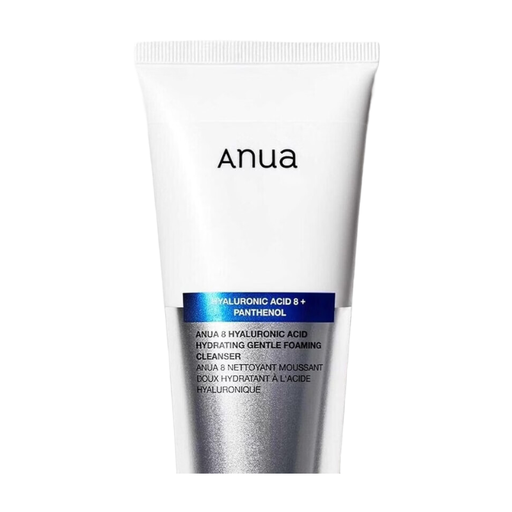
Why this product suits the profile: The 150 ml tube combines an everyday foaming texture with glycerin, betaine, panthenol and several forms of hyaluronic acid. This makes it appealing to shoppers looking for a straightforward cleanser for dry or dehydrated skin.
The product description highlights mild amino-acid- and plant-based surfactants rather than focusing solely on producing a rich lather.
150 ml content, panthenol and betaine; Zinc PCA is also listed in the INCI list.
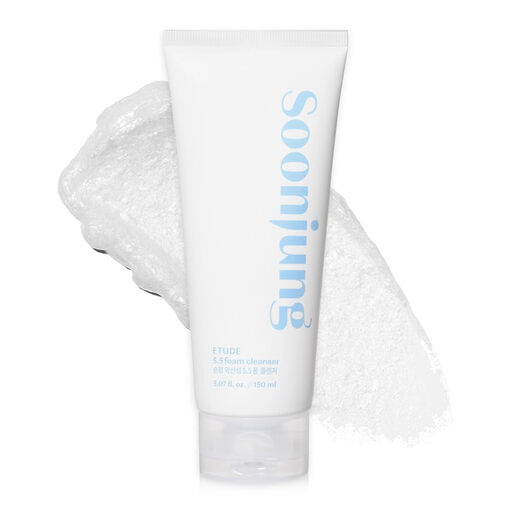
Why this product suits the profile: This Korean cleansing foam is aimed at shoppers who prefer a clearly stated pH value and a streamlined formulation.
Its stated pH of 5.5 and the absence of fragrance, parabens and synthetic colourants make the choice easier to assess.
Panthenol and madecassoside; 150 ml content and a creamy foaming texture.
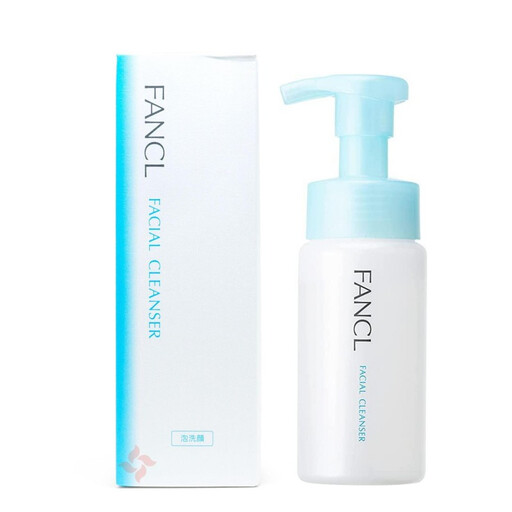
Why this product suits the profile: This Japanese cleansing foam comes in a pump bottle and dispenses ready-made foam. That makes it practical for a daily morning and evening routine.
The recommended dosage of around three to four pumps helps ensure consistent use and reduces unnecessarily large amounts of product.
Amino-acid-based cleansing, glycerin, two ceramides and 150 ml content.
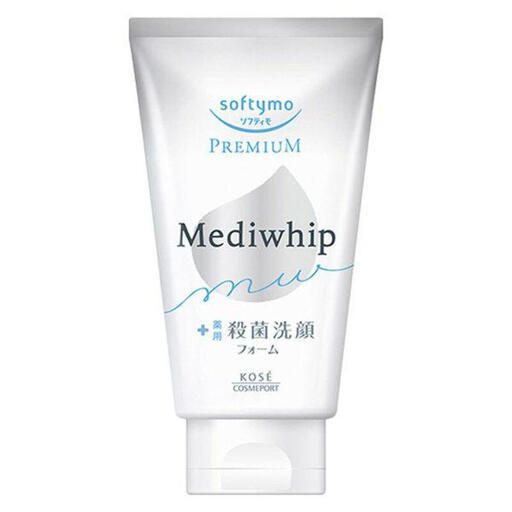
Why this product suits the profile: This Japanese cleanser may appeal to shoppers specifically looking for a product containing salicylic acid and who are prepared to follow the usage instructions.
The active ingredients salicylic acid and Dipotassium Glycyrrhizinate are explicitly listed. This makes it easier to distinguish the product from general “pore care” claims.
130 g content, creamy lather and clearly stated active ingredients; not intended for damaged or irritated skin.
We have compiled a complete, regularly updated list of products that fully meet these strict selection criteria and the safety regulations applicable in the EU.
Yes, provided the formulation is gentle and does not leave a persistent tight feeling after use. Glycerin, panthenol, betaine and ceramides may be considered when choosing a product. Follow up with a suitable moisturiser.
For many people, using it in the morning and evening is practical. If your skin is very dry or sensitive, cleansing less frequently may feel more comfortable. Your skin’s individual response is the deciding factor.
A product containing a stated active ingredient such as salicylic acid may be particularly interesting for blemish-prone skin. However, a cosmetic cleanser is not a substitute for dermatological treatment. If you experience recurring or inflammatory problems, consult a dermatologist.