
Lieferung heute & morgen

Qualitätsgarantie

Willkommens-Angebote freischalten: KOSTENLOSE Lieferung | Bis zu 80 % RABATT | Kostenlose 30-Tage-JoyPlus-Testphase
App herunterladen
A good cleansing foam is the foundation of any skincare routine, especially for oily, combination, or blemish-prone skin. However, the market is saturated, and many products don't deliver on their promises. As your Joybuy Product Recommendation Officer, I'm here to help you understand the key criteria and avoid common purchasing pitfalls, so you can make an informed decision for your skin.
Many users invest in products that worsen their skin problems rather than improve them. This is often due to clever marketing claims that distract from the product's actual properties. Watch out for these three pitfalls:
To find the right cleansing foam for your face, you should focus on objective features rather than marketing messages.
Surfactants are responsible for the cleansing action. Your choice determines whether your skin barrier is strengthened or weakened.
A good cleanser does more than just clean. It can specifically address skin problems with active ingredients.
The skin's surface has a slightly acidic pH of about 4.7 to 5.75. A cleansing product should be as close to this value as possible to keep the skin barrier intact. Products with a high (alkaline) pH can make the skin more prone to dryness and bacteria. Look for formulas labeled as pH-neutral or pH-balanced.
Based on the criteria above, we have identified some products that are well-suited for different user profiles.
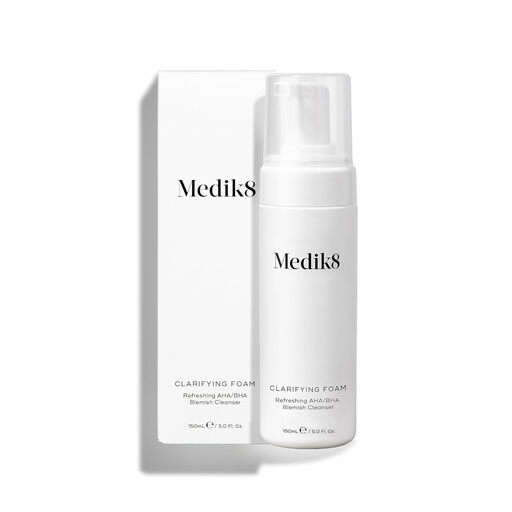
Why This Fits Their Persona: Ideal for those seeking an effective solution for blemishes without irritating the skin. The combination of exfoliating acids and soothing ingredients is perfect for the daily fight against pimples and clogged pores.
Instead of harsh surfactants, this foam uses a pH-balanced formula with mandelic acid (AHA) and salicylic acid (BHA) that provides targeted exfoliation without destroying the skin barrier.
Contains niacinamide to soothe and tea tree oil for its clarifying properties. The formula is designed to clear the skin while reducing redness.
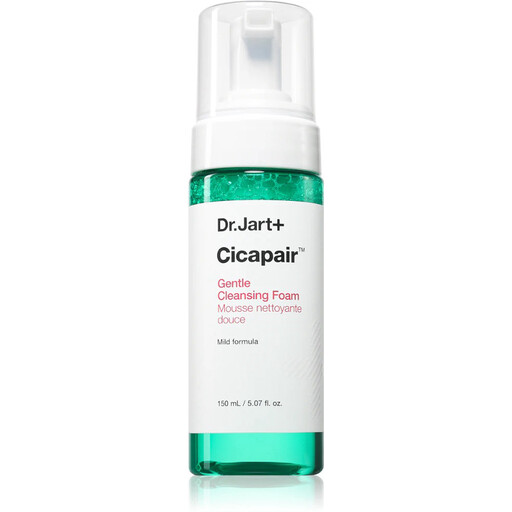
Why This Fits Their Persona: Perfect for users whose skin is prone to redness and irritation. This cleanser focuses on soothing and hydrating rather than aggressive cleansing.
This product avoids the "squeaky clean" trap by using a creamy texture and mild surfactants. It cleanses without stripping the skin, leaving no feeling of tightness.
The formula contains Centella Asiatica leaf extract to soothe the skin and a high concentration of glycerin (23%) to lock in moisture during cleansing. Dermatologically tested and fragrance-free.
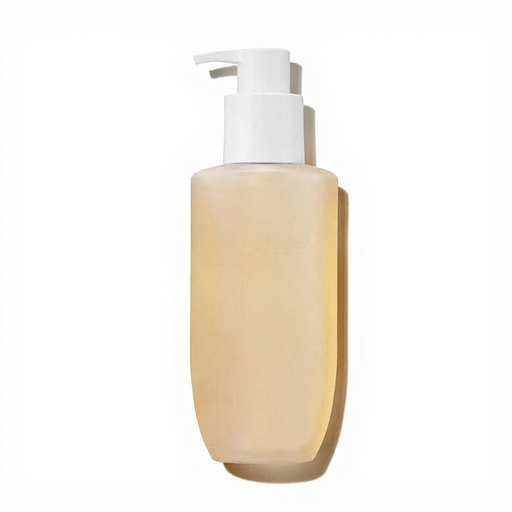
Why This Fits Their Persona: For users who view their cleansing routine as a self-care ritual and value high-quality, traditional ingredients. This foam offers a luxurious experience and intensive hydration.
Debunking the myth of lather, this product creates a dense yet gentle foam. The focus is on nourishing herbal extracts, not just foam production.
The formula is rich in Korean herbal extracts like Japanese Apricot and Houttuynia Cordata, which provide deep moisture and soothe the skin while cleansing thoroughly.
We've compiled a complete, up-to-date list of products that fully meet these strict selection criteria and all applicable safety regulations.
For most skin types, especially oily and combination skin, using it twice daily—morning and evening—is recommended. The morning cleanse removes sebum and sweat produced overnight. The evening cleanse is essential to remove makeup, sunscreen, dirt, and pollutants from the day, preparing the skin for the rest of your routine.
A cleansing foam can remove light makeup. However, for stubborn or waterproof makeup and heavy-duty sunscreen, a two-step routine (Double Cleansing) is recommended. First, use an oil-based cleanser or micellar water to dissolve the makeup, followed by the cleansing foam for a deep pore cleanse.
A feeling of tightness is a clear sign that your cleanser is too harsh for your skin type and is compromising your natural skin barrier. The product is stripping too much oil and moisture from your skin. Switch to a gentle cleansing foam with milder surfactants and a skin-friendly pH. Also, look for hydrating ingredients like glycerin or hyaluronic acid in the formula.