
Lieferung heute & morgen

Qualitätsgarantie

Willkommens-Angebote freischalten: KOSTENLOSE Lieferung | Bis zu 80 % RABATT | Kostenlose 30-Tage-JoyPlus-Testphase
App herunterladen
A good cleansing foam is the foundation of any skincare routine. But the market is flooded with products that promise quick fixes. As a Joybuy Product Recommendation Officer, I see every day how easy it is to be swayed by clever marketing, only to end up with a product that does more harm than good. Before you make a decision, it's crucial to know the most common pitfalls.
Many products don't deliver on their promises. Watch out for these three typical issues to avoid disappointment:
To find the right cleansing foam, you should focus on objective criteria rather than marketing claims. Here are the three most important factors to check.
A pH-balanced cleanser or a slightly acidic one with a pH of around 5.5 is fundamental to keeping the skin's acid mantle intact. This is especially critical for cleansing foam for sensitive skin. A stable pH value helps to retain moisture and makes the skin more resilient to external aggressors. Products from Korean skincare (K-Beauty) often place great emphasis on this aspect.
Surfactants are the cleansing agents that dissolve dirt and oil. Their type and concentration determine how gentle or aggressive a cleanser is.
Once the base (pH value and surfactants) is right, specific active ingredients can unfold their full potential.
Here are some recommendations tailored to different skin profiles and requirements.
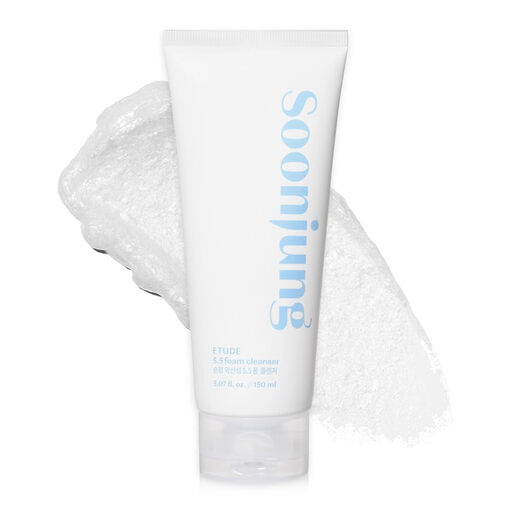
Why This Fits Their Persona: Ideal for users who prefer a minimalist, low-irritant routine. The formula focuses on protecting the skin barrier and is free from many potential irritants like fragrance.
It directly addresses the pH value trap with its slightly acidic formulation (pH 5.5) and bypasses the "squeaky-clean" effect by using mild surfactants and soothing ingredients.
Contains Panthenol and Madecassoside (from Centella Asiatica) to soothe and strengthen the skin barrier. Hypoallergenic formulation.
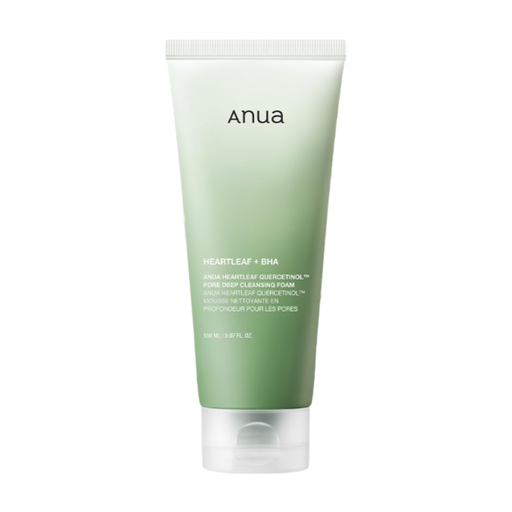
Why This Fits Their Persona: Perfect for those seeking effective pore cleansing without irritating their skin. The combination of clarifying and soothing ingredients is ideal for combination or oily yet sensitive skin.
Instead of aggressively stripping the skin, this foam uses salicylic acid (BHA) for targeted pore cleansing and Heartleaf extract to calm redness and irritation.
Contains 33% Heartleaf extract for soothing and salicylic acid (BHA) to combat blemishes and refine pores.
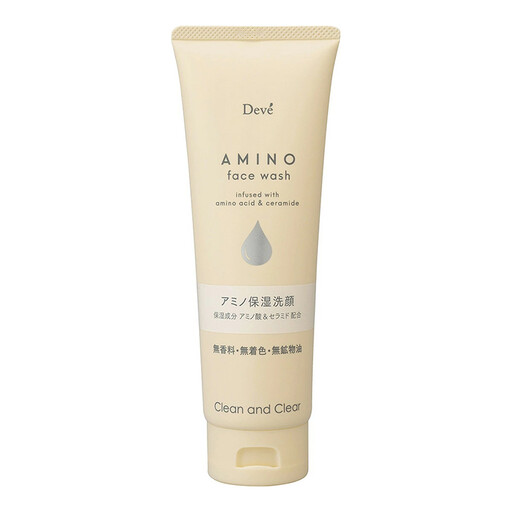
Why This Fits Their Persona: This Japanese cleansing foam is designed for users whose main concern is moisture retention. It cleanses thoroughly without leaving the tight feeling typical for dry skin.
It relies on mild amino acid surfactants, known for their gentle cleansing action. Instead of drying out the skin, it provides moisture during the cleansing process.
Formulated with hyaluronic acid and glycerin to intensely hydrate the skin and keep it supple.
We have compiled a complete, up-to-date list of products that fully meet these strict selection criteria and comply with German regulations.
Generally, using it twice a day, morning and evening, is recommended. However, listen to your skin. For very dry or sensitive skin, a single use in the evening may be sufficient to avoid over-stressing the skin. In the morning, plain water is often enough.
Yes, a cleansing foam is the ideal second step in the double cleansing routine, which is particularly popular in K-Beauty and J-Beauty. In the first step, an oil-based cleanser (e.g., a cleansing oil or balm) dissolves makeup, sunscreen, and sebum. The cleansing foam, in the second step, removes water-based residues like sweat and dirt.
The main difference is the texture. A cleansing foam is often lighter and airier, either directly from a pump dispenser or by lathering up a cream. A cleansing gel has a denser, gel-like consistency. The choice is often a matter of personal preference. However, the key to effectiveness is not the texture, but the formulation—especially the type of surfactants and the pH value.