
Lieferung heute & morgen

Qualitätsgarantie

Willkommens-Angebote freischalten: KOSTENLOSE Lieferung | Bis zu 80 % RABATT | Kostenlose 30-Tage-JoyPlus-Testphase
App herunterladen
A facial cleansing foam can simplify your daily skincare routine. Its texture is easy to spread, helps reduce friction when washing and removes sweat, excess sebum and environmental residue. However, not every facial cleanser suits every skin type. Reading the product description carefully and checking the INCI list can help you avoid buying the wrong product.
Terms such as pore cleanser, ‘Deep Cleansing’ or ‘Blackhead Removal’ usually describe how well a product cleans away sebum and surface build-up. They do not permanently reduce the size of your pores. Products containing clay, activated charcoal, BHA or physical exfoliating particles may suit certain routines, but they are not automatically suitable for sensitive or irritated skin.
A rich, foamy texture alone tells you little about how well a product will suit your skin. Factors such as the surfactants used, fragrance content, pH value and replenishing or moisturising ingredients all play a part. When choosing a cleansing foam for sensitive skin, look for a formula with a straightforward ingredient list. Fragrances, essential oils or alcohol may be a concern if you are sensitive to them.
A facial cleanser for blemish-prone skin is not a substitute for dermatological treatment. If a product contains salicylic acid or other exfoliating ingredients, follow the directions and heed any warnings. If skin changes persist or you experience severe redness or discomfort, seek advice from a dermatologist.
For daily cleansing, mild surfactant systems are often more comfortable than formulas that strip away too much oil. If you have dry skin, ingredients such as glycerin, betaine, hyaluronic acid or certain amino acids can help your skin feel more comfortable after washing. This does not mean a cleanser provides lasting hydration: it is rinsed off and does not replace a moisturiser.
A low or skin-friendly pH value may be worth considering if you have sensitive skin. For example, the Korean facial cleanser Etude House SoonJung pH 5.5 Foam Cleanser has a stated pH value of 5.5. According to the product information, its formula contains panthenol and madecassoside, and is free from fragrance and synthetic colourants.
Pump bottles containing ready-foamed cleanser save time and make it easy to dispense the right amount. Tubes usually require a little water and rubbing between your hands to create a lather. Aerosol cans, such as a Foaming Whip, come with additional storage instructions: they must not be heated or damaged, or stored near naked flames.
Whatever the packaging, the basic steps are the same: wet your face and hands, use an appropriate amount, massage gently without pressing and rinse thoroughly with lukewarm water. Very hot water and vigorous rubbing can put unnecessary stress on your skin.
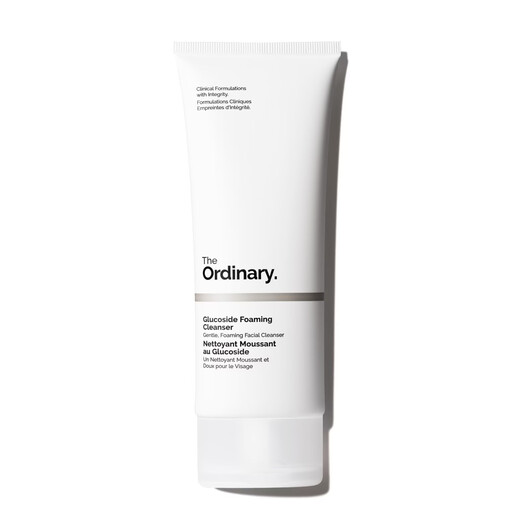
Why this product suits this profile: The gel texture, with decyl and coco-glucoside, is a straightforward choice for daily cleansing. The 150 ml tube is easy to use and convenient to take with you.
The product information focuses on cleansing and helping to maintain the skin barrier, without making claims about treating specific skin concerns.
Clear INCI list featuring glucosides; 150 ml tube.
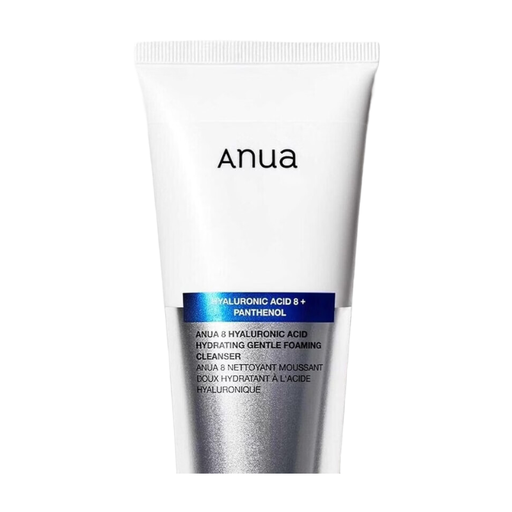
Why this product suits this profile: This Korean formula combines mild surfactants with several forms of hyaluronic acid, panthenol, betaine and Zinc PCA.
The ingredients are listed transparently. The moisturising claims are supported by specific ingredients, making them easier to assess than vague marketing terms alone.
Mild surfactants, panthenol, betaine and eight listed hyaluronic acid components.
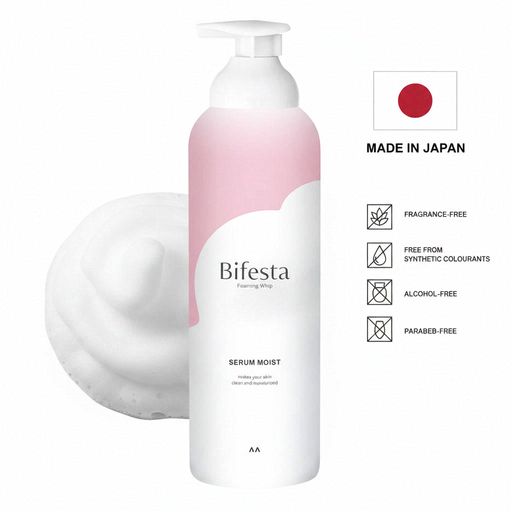
Why this product suits this profile: This Japanese facial cleanser dispenses as a ready-made foam from a can and is described as suitable for normal to dry skin.
The dense foam texture can help reduce friction during application. The pressurised container instructions make the storage requirements clear.
200 g; hyaluronic acid and soluble collagen are listed in the product description.
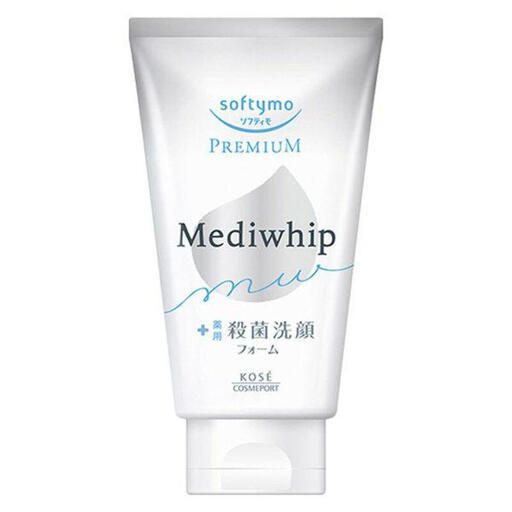
Why this product suits this profile: The Japanese formula, described as ‘medicated’, lists salicylic acid and dipotassium glycyrrhizinate as active ingredients. It may appeal if you are looking for these ingredients.
The active ingredients are named specifically. According to the warnings, do not use the product on sensitive, damaged or irritated skin.
130 g; salicylic acid and dipotassium glycyrrhizinate are listed as active ingredients in the product description.
We’ve put together a complete, regularly updated list of products that meet these strict selection criteria and fully comply with the safety regulations in force in the EU.
Cleansing foam is usually used in the morning and evening, or as needed. If you have dry or sensitive skin, washing once a day may be enough. Frequent use of products containing exfoliating ingredients is not automatically beneficial. Always follow the instructions on the packaging.
Shelf life depends on the packaging, storage and how the product is used. Keeping the lid closed, storing the product in a dry place and protecting it from direct sunlight and high temperatures can help maintain its quality. The specific best-before date, batch number and, where applicable, period after opening are shown on the packaging. If the product changes colour, smell or consistency, stop using it.
Yes, provided the formula does not strip away too much oil or leave your skin feeling uncomfortably tight. Glycerin, amino acids, betaine or hyaluronic acid can help your skin feel more comfortable after cleansing. Follow up with a suitable moisturiser.
For many people, using it once in the evening is enough; you can also cleanse in the morning if needed. The right frequency depends on your skin type, daily routine and the specific formula. Stinging, severe dryness or redness are signs that you may need to use it less often or stop using it.
A cosmetic acne facial cleanser can remove excess sebum and residue from your skin. However, this does not mean it has a medical effect. If you have inflamed or persistent blemishes, discuss your choice of cleanser with a dermatologist.