
Lieferung heute & morgen

Qualitätsgarantie

Willkommens-Angebote freischalten: KOSTENLOSE Lieferung | Bis zu 80 % RABATT | Kostenlose 30-Tage-JoyPlus-Testphase
App herunterladen
A facial cleansing foam can simplify your daily skincare routine: the foamy texture spreads easily and removes dirt, excess sebum and traces of sunscreen. However, not every facial foam suits every skin type. If you focus only on a particularly large amount of foam, a luxurious packaging design or well-known active ingredient names, you may end up buying a product that leaves your skin feeling tight or doesn’t fit into your daily routine.
This buying guide from the Joybuy Product Recommendation Officer shows you which details really matter and which product features you should check before purchasing a cleansing foam for the face.
A rich, creamy texture can feel pleasant to use. However, the amount of foam alone says little about the cleansing power or how well the product suits your skin. What really counts are the surfactants used, the contact time and how your skin feels after rinsing.
Products designed for oily or blemish-prone skin often contain stronger degreasing cleansing systems. For dry or sensitive skin, daily use can lead to a feeling of tightness. Even a facial cleanser for spots is no substitute for dermatological advice and shouldn’t automatically be used twice a day.
Names like hyaluronic acid, panthenol, salicylic acid or plant extracts sound impressive. For your buying decision, you should also check whether fragrances, essential oils or potentially irritating ingredients are included. Formulations can change; the ingredient list on the packaging is what counts.
A pH-balanced facial cleanser doesn’t have to be exactly pH 7. The skin’s surface is slightly acidic. A product with a mildly acidic pH, for example pH 5.5, can therefore be better suited for daily cleansing than a strongly alkaline soap base.
Also look out for mild surfactants such as amino acid surfactants, coco-betaines, glucosides or sodium cocoyl isethionate. The INCI list provides clues, but doesn’t replace an individual tolerance test.
Tubes, pump dispensers and aerosol cans differ in how they dispense the product. A pump dispenser is convenient for your morning and evening routine. With an aerosol can, you also need to follow the instructions for pressurised containers. The quantity in millilitres or grams helps you assess the price per use more realistically.
For application, a small amount is usually enough. Distribute the cleansing foam with water in your hands, rub it over your face without applying too much pressure, and then rinse thoroughly with lukewarm water.
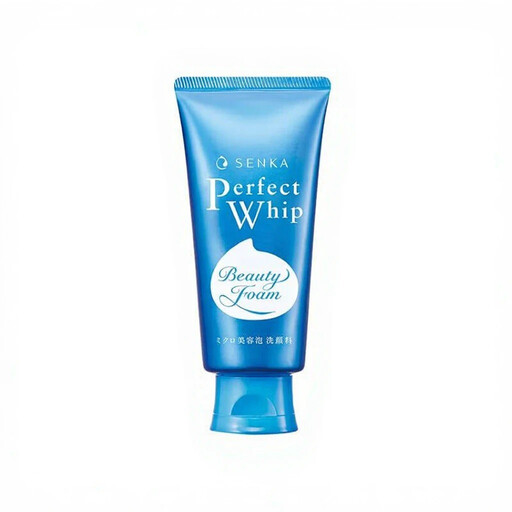
Why this product fits the profile: The 120g tube is a straightforward option for beginners looking for a Japanese facial cleanser with a creamy foam.
The instructions recommend a small amount, which is foamed up with water. This helps avoid over-dosing.
According to the product description, the formula contains glycerin, sodium hyaluronate and silk protein among other ingredients; the product quantity is 120g.
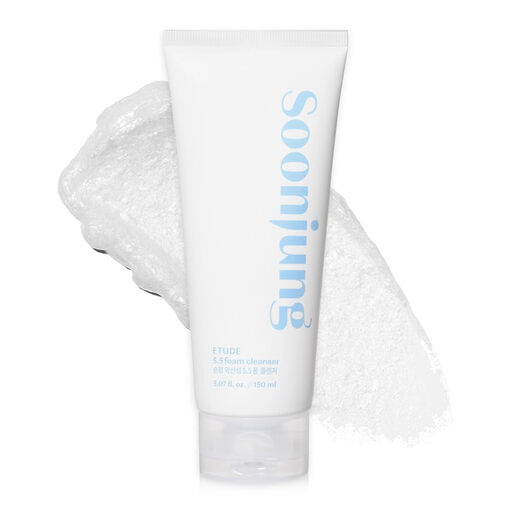
Why this product fits the profile: For buyers who value a stated pH level and a clear formulation in a Korean facial cleanser.
The stated pH of 5.5 provides a concrete point of comparison. According to the product description, the formula is made without fragrances and synthetic colourants.
150ml content, plus panthenol and madecassoside according to the stated product formulation.
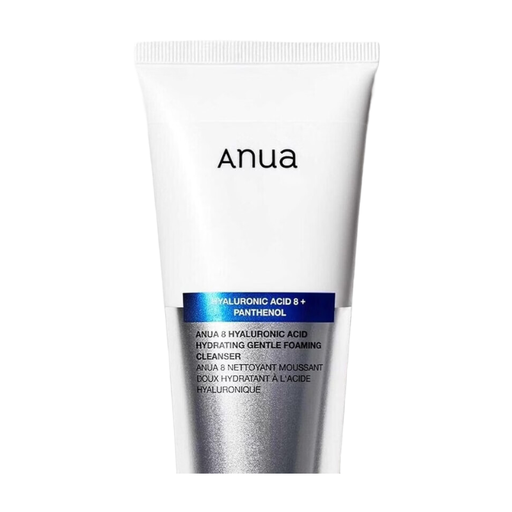
Why this product fits the profile: The light foam texture and the stated combination of glycerin, panthenol and hyaluronic acid are aimed at those who prefer a less drying skin feel.
The product details mention mild surfactants and several moisturising components. Nevertheless, fragrances and plant ingredients should be checked individually for sensitive skin.
150ml content, eight listed hyaluronic acid complexes and zinc PCA according to the product description.
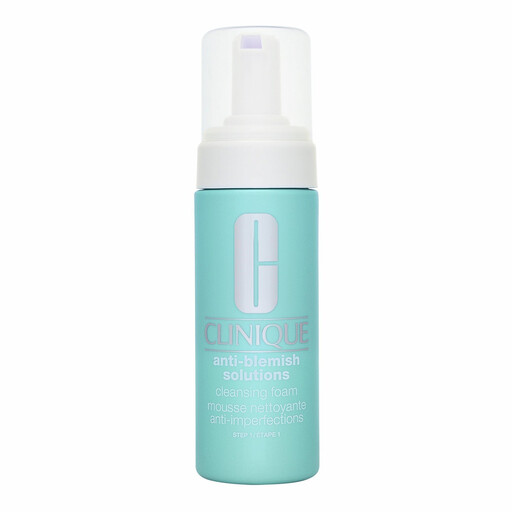
Why this product fits the profile: For people with oily or blemish-prone skin who are specifically looking for a cleansing foam with salicylic acid.
The stated target audience includes oily, combination and blemish-prone skin. If stinging or redness occurs, use should be discontinued.
125ml content, pump dispenser and salicylic acid as a listed ingredient.
We’ve put together a full, regularly updated list of products that fully meet these strict selection criteria and the safety regulations in force in the EU.
Use lukewarm rather than hot water and massage the foam in without applying too much pressure. For very dry skin, it can make sense to cleanse in the morning with just water or a mild product and use a facial cleanser in the evening. New products should first be tested on a small area of skin.
If you experience persistent redness, itching, stinging or a worsening of your skin condition, stop using the product and seek dermatological advice if necessary. Cosmetic cleansing can support your skincare routine, but it doesn’t replace medical treatment.
That depends on your skin type, the product formula and the rest of your skincare routine. Many products are intended for morning and evening use. For dry or sensitive skin, using it once a day may be sufficient. Always follow the instructions on the packaging.
Refer to the use-by date or the symbol for shelf life after opening on the packaging. Store the facial cleanser in a dry, cool place away from direct sunlight. Changes in smell, colour or consistency are signs that you should stop using the product.
A product for facial cleansing for oily skin can remove excess sebum. If it contains salicylic acid, you should pay particular attention to the manufacturer’s usage instructions. For inflammatory or recurring skin changes, it’s advisable to get a dermatological assessment.