
Lieferung heute & morgen

Qualitätsgarantie

Willkommens-Angebote freischalten: KOSTENLOSE Lieferung | Bis zu 80 % RABATT | Kostenlose 30-Tage-JoyPlus-Testphase
App herunterladen
A facial cleansing foam should remove dirt, excess sebum, make-up residue and environmental impurities without putting unnecessary strain on your skin. But choosing one for sensitive, oily or blemish-prone skin involves more than simply picking a foam. The formula, cleansing strength, fragrance, pH level and your daily routine all matter.
A generous amount of foam says little about how well a product will suit your skin or how effectively it will cleanse. Depending on the surfactants and your individual skin, products that foam heavily can leave your skin feeling tight. A gentle facial cleanser can have a fine, creamy lather without producing a large volume of foam.
A cleanser cannot permanently shrink pores. Products described as offering deep pore cleansing usually remove sebum and residue from the skin’s surface or from the openings of the pores. If you have blemish-prone skin, the right facial cleanser can complement your daily skincare routine, but it is not a substitute for dermatological treatment.
Labels such as “sensitive”, “clean” or “hypoallergenic” should not be the only factors you consider. Check the INCI list for fragrance, essential oils, alcohol and exfoliating acids. Plant extracts can also cause reactions in some people. Always check the product packaging for the formula, as ingredients may change.
If you have oily skin, a cleanser for oily skin with suitable surfactants and, where appropriate, salicylic acid may be worth considering. For dry or sensitive skin, glycerin, panthenol and other moisture-binding ingredients are often a better choice. Cleansing very thoroughly twice a day can make some skin types feel dry.
If you wear make-up or water-resistant sun protection, you may need to use a separate make-up remover or cleansing oil first. A facial cleansing foam will not necessarily remove every type of make-up.
Check the full INCI labelling. Mild surfactants such as Decyl Glucoside, Sodium Cocoyl Isethionate and Sodium Lauroyl Glutamate are often used in gentle formulas. However, their presence alone does not guarantee that a product will suit your skin.
For facial cleansing if you have sensitive skin, fragrance-free formulas can be a sensible choice. With Korean or Japanese products, check the details on the packaging you actually receive. For example, the ingredients listed for Anua Heartleaf Quercetinol Pore Deep Cleansing Foam include fragrance, despite some parts of the product description referring to a fragrance-free formula.
For daily use, 150 ml is usually more practical than a small travel size. A 20 or 25 ml pack, on the other hand, is handy for trying a product or taking it away with you. Check:
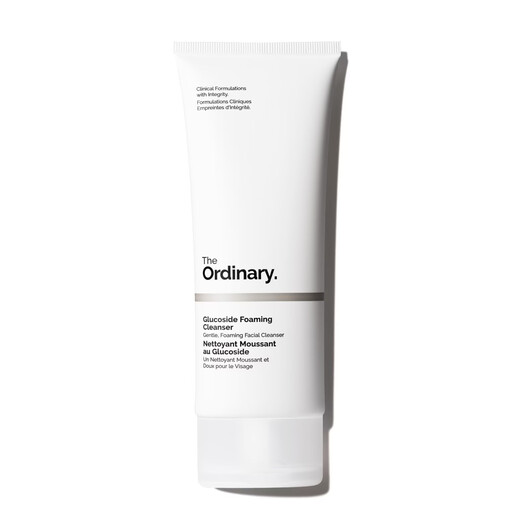
Why it suits this profile: Its gel-like texture, 150 ml tube and short ingredients list make it a straightforward introduction to daily facial cleansing.
The product description clearly explains its cleansing action and formula without promising to shrink pores permanently.
Decyl Glucoside and Coco Glucoside; 150 ml; tube for everyday use or travel.
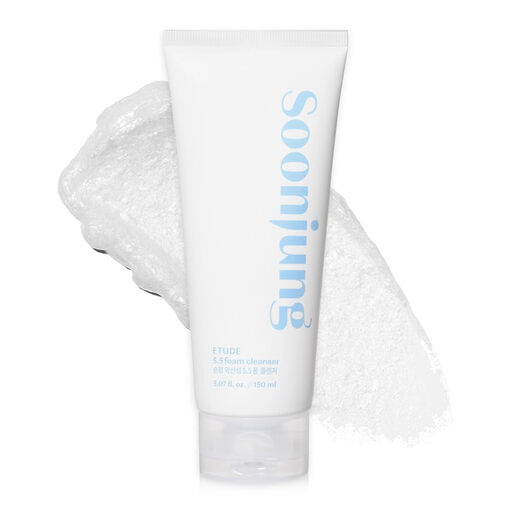
Why it suits this profile: Its stated pH of 5.5, along with panthenol and madecassoside, may appeal to shoppers who pay close attention to how a Korean facial cleanser feels on the skin and to the details of its formula.
The formula is described with specific details, including “fragrance-free” and a stated pH level. It is still worth checking the current information on the packaging.
150 ml; pH 5.5 according to the product information; panthenol and madecassoside in the INCI list.
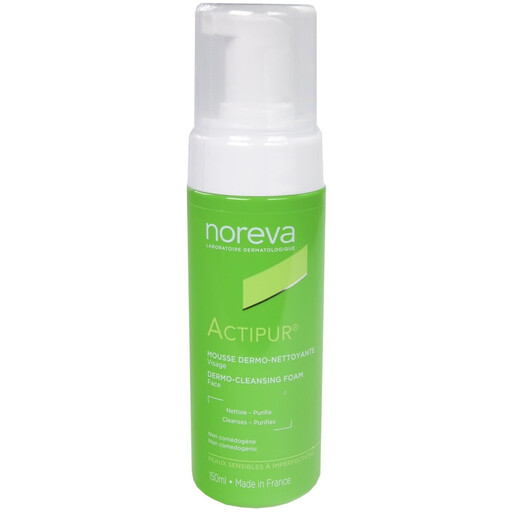
Why it suits this profile: Its mousse texture may appeal if you are looking for a facial cleanser for blemish-prone skin and prefer a foaming application.
The product details clearly state that it is a soap-free mousse, give the 150 ml pack size and explain how to use it on damp skin. If you have sensitive skin, a patch test is still a good idea.
Pump mousse; zinc gluconate in the ingredients list; stated to be free from fragrance and parabens.
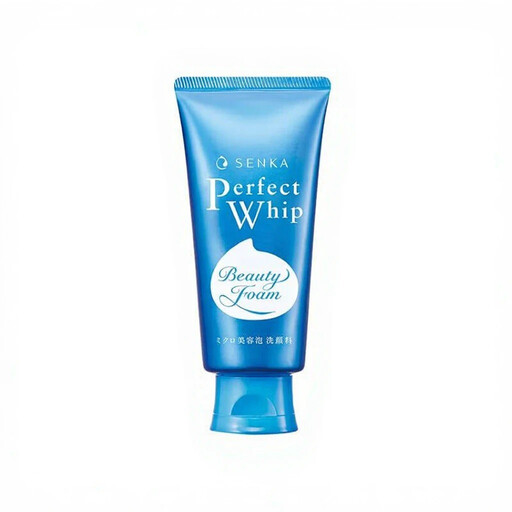
Why it suits this profile: The 120 g tube and creamy lather may suit anyone looking to make Japanese skincare part of their regular routine.
Using a small amount and lathering it in your hands helps reduce friction when applying it. If you have dry skin, remember to follow with skincare.
120 g; glycerin and Sodium Hyaluronate according to the product description; designed for use on damp skin.
We’ve put together a complete, regularly updated list of products that meet these strict selection criteria and fully comply with the safety regulations in force in the EU.
If your skin feels tight, becomes red or itchy, or starts to sting, stop using the product. You can test a new formula on a small patch of skin first. If symptoms persist, seek advice from a dermatologist.
It depends on your skin and the formula. Fragrance-free products with mild surfactants can be a suitable option. Still, check the full INCI list and see how your skin responds after use.
Many people use a cleanser once in the evening and, if needed, in the morning. If you have dry or reactive skin, rinsing with water in the morning may be enough. Let your skin’s feel, the formula and the amount of dirt, sebum or make-up you need to remove guide you.
It depends on how much you use, the pack size and how often you cleanse. With a small amount each time, a 150 ml tube will usually last longer than a travel-size pack. You do not need a large amount of foam; a small portion is generally enough for your face and neck.