
Lieferung heute & morgen

Qualitätsgarantie

Willkommens-Angebote freischalten: KOSTENLOSE Lieferung | Bis zu 80 % RABATT | Kostenlose 30-Tage-JoyPlus-Testphase
App herunterladen
A facial cleansing foam may seem straightforward at first: apply, spread and rinse. However, products can vary considerably in their surfactants, fragrances, pH, skincare ingredients and packaging. If you choose one based solely on its especially rich foam or claims such as “deep cleansing”, you could end up with a facial cleanser that doesn’t suit your skin.
Three common buying mistakes are:
A classic facial cleansing foam that thoroughly removes excess oil and everyday dirt may suit normal or slightly oily skin. Dry and sensitive skin often benefits from a mild formula containing glycerine, panthenol, hyaluronic acid or other ingredients that help retain moisture.
For facial cleansing for blemish-prone skin, products containing salicylic acid or zinc gluconate may be worth considering. However, these ingredients don’t automatically make a product suitable for everyone. Salicylic acid may feel uncomfortable on sensitive or already irritated skin. The concentration, how often you use it and the rest of your skincare routine all matter.
The ingredients list gives you more concrete information than claims such as “gentle”, “clarifying” or “barrier-friendly”. In particular, look out for:
A long ingredients list is neither automatically good nor bad. Choose a product that suits your skin type and existing routine.
A pump dispenser makes it easy to use a consistent amount and reduces direct contact with the product. Creamy cleansing foams often need water added first, while pre-foamed products are ready to use straight away.
For everyday use, one or two pumps—or a small amount as recommended by the manufacturer—is usually enough. Wet your face with lukewarm water, then spread the foam gently without applying too much pressure and rinse thoroughly. Hot water and prolonged rubbing can put extra strain on your skin.
The selection below groups products by their formula, ingredients and intended use. Information about product features and skin types is based on details provided by the relevant manufacturers or sellers.
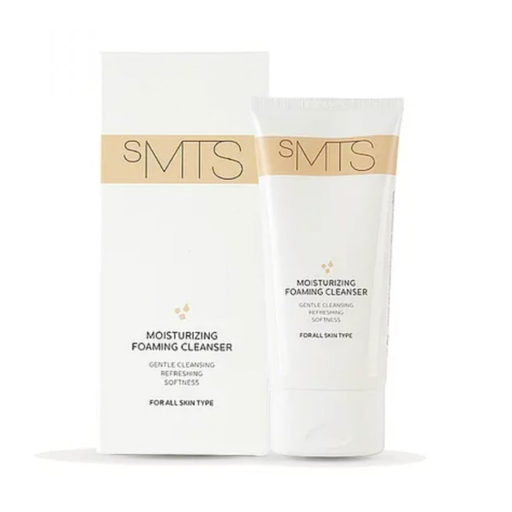
Why it suits this profile: According to the product description, the formula combines cleansing with glycerin, Sodium Hyaluronate and panthenol. It may appeal to anyone looking for a moisturising facial cleanser for their daily routine.
The product description focuses on helping to retain moisture rather than cleansing alone. Check the current INCI list on the packaging.
150 ml; according to the product description, contains hyaluronic acid, vitamin B5 and vitamin E.
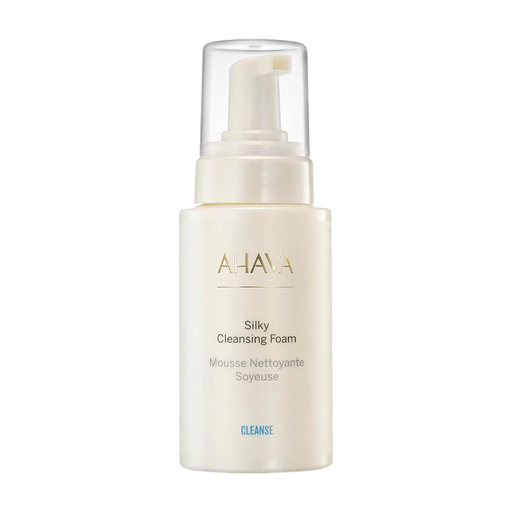
Why it suits this profile: According to the product description, this water-based foam contains glycerin, lactic acid, bisabolol, allantoin and plant extracts. It may appeal to shoppers who value a light, creamy texture and added skincare ingredients.
The product details list specific ingredients and recommend using one or two pumps. Fragrance is also listed, so bear this in mind if you’re sensitive to it.
230 ml; pump format; according to the seller, contains Osmoter, the brand’s mineral blend.
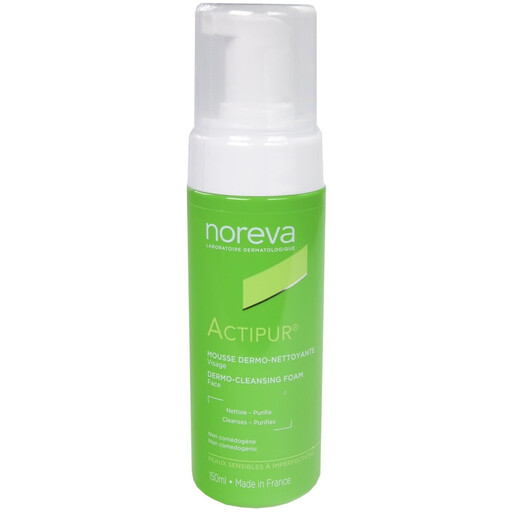
Why it suits this profile: According to the seller, this product is designed for sensitive skin with blemishes. Its foamy texture also makes it suitable for use as a shaving aid on facial hair.
The product information describes a soap-free, fragrance-free formula without AHAs. Even so, test it on a small area of skin first to check how your skin responds.
150 ml; pump dispenser; according to the seller, contains zinc gluconate and no synthetic fragrances.
We’ve put together a complete, regularly updated list of products that meet these strict selection criteria and fully comply with the safety regulations in force in the EU.
Wash your face with a facial cleansing foam morning and evening only if that frequency feels comfortable for your skin. If your skin is dry, cleansing once in the evening may be enough. Depending on the product, make-up or water-resistant sun protection may need to be removed beforehand or separately.
When trying a new skincare product, it’s best to start cautiously:
It depends on your skin type and the rest of your skincare routine. Many people find it useful to use in the evening; some also use it in the morning. If your skin is dry or sensitive, using it less often may feel more comfortable. Let your skin’s response, the product instructions and its suitability for you guide your routine.
A facial cleanser for sensitive skin should ideally contain as few known irritants as possible. Look for a clear INCI list, mild surfactants and, if appropriate, a fragrance-free formula. Even a cleanser described as mild may not suit everyone.
You’ll find the best-before date or the period after opening on the packaging or product. Close the dispenser or tube after each use and store the product somewhere dry, away from direct heat. Stop using it if its smell, appearance or the way your skin feels after use changes.