
Lieferung heute & morgen

Qualitätsgarantie

Willkommens-Angebote freischalten: KOSTENLOSE Lieferung | Bis zu 80 % RABATT | Kostenlose 30-Tage-JoyPlus-Testphase
App herunterladen
Facial cleansing foam can remove dirt, excess oil, traces of sun protection and light make-up residue. However, not every foaming formula suits every skin type. A strong feeling of tightness after washing is not a reliable sign that your face has been cleansed especially thoroughly; it may indicate that the cleanser is too harsh.
Terms such as “deep pore cleansing” or “Deep Cleansing” are primarily marketing descriptions of a product. On their own, they don’t tell you how well a facial cleansing foam will suit your skin. Harsh surfactants, frequent use or prolonged rubbing can leave your skin feeling uncomfortably dry.
A thorough cleansing formula may be suitable for oily or blemish-prone skin. For dry or sensitive skin, however, tolerability should be the priority. A cleanser cannot permanently “shrink” pores.
A formula may contain hyaluronic acid, panthenol, glycerin or plant extracts. However, since cleansing foam is rinsed off after a short time, you shouldn’t base your choice on a single ingredient alone. What matters is how the surfactants, fragrance, pH and feel of your skin after rinsing work together.
Even a moisturising facial cleanser may be too harsh for very dry skin if its cleansing base isn’t suitable.
Cleansing foam can lift light foundation or sun protection residue. However, it may not completely remove waterproof make-up, long-wearing products or several layers of sun protection. For your evening routine, it may be useful to start with a suitable make-up remover or cleansing oil, followed by a gentle facial cleanser.
Check the full ingredients list on the packaging. Terms such as “mild”, “hypoallergenic” or “for all skin types” don’t guarantee that a product will suit you personally. Fragrance and essential oils may be irritating for some people. If you have known allergies, check the INCI list particularly carefully.
A low pH may be useful for some skincare routines. However, the manufacturer should state the actual pH; you can’t reliably work it out from how the product foams.
Common sizes range from around 100 to 190 ml or grams. When comparing prices, consider not just the pack price but also how much you need per use and how often you plan to use it. A 20 or 30 ml product is better suited to travel or trying something new, while 150 ml or more may be more practical for a regular morning and evening routine.
Wet your face and hands, work the product into a lather in your palms, then massage the foam in without applying too much pressure. Rinse with lukewarm water and pat your skin dry. Stop using the product if irritation occurs. Cosmetics are for external use only.
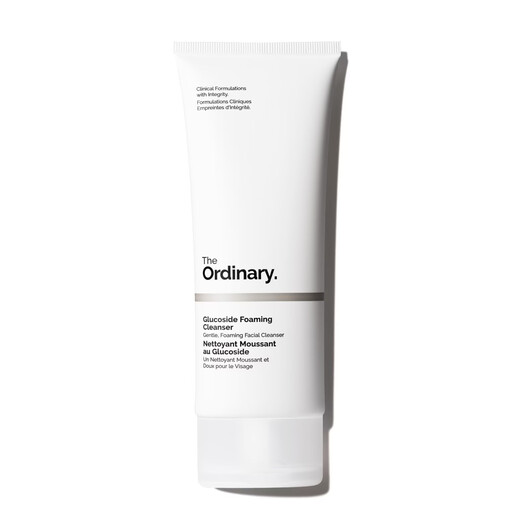
Why it suits this profile: The gel texture, 150 ml size and concise ingredients list make it a good choice if you want to keep your daily facial cleansing routine simple.
The product description mentions foaming cleansing and support for the moisture barrier, without making any therapeutic claims.
Decyl Glucoside and Coco Glucoside are included in the stated INCI list; the tube is convenient for everyday use and travel.
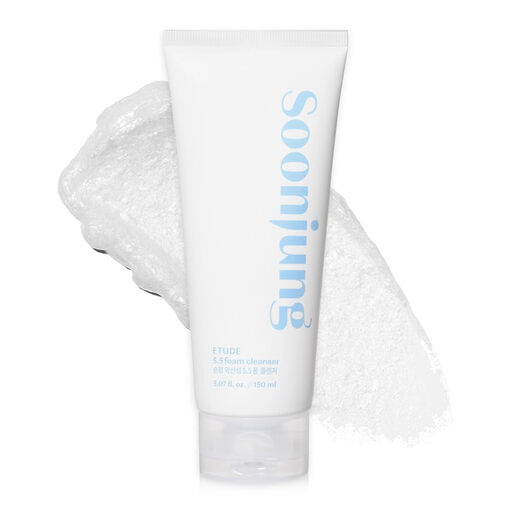
Why it suits this profile: If you look for a stated pH, a pared-back formula and a clear focus on sensitive skin, this product offers straightforward criteria to help you choose.
The stated formula is described as free from fragrance, parabens and colourants. Always check the current packaging for confirmation.
The formula is listed as pH 5.5 and contains panthenol and madecassoside.
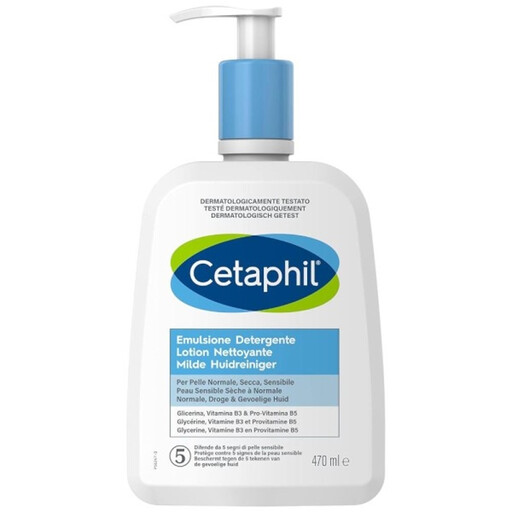
Why it suits this profile: The large 470 ml bottle is ideal for households, families or anyone who wants to cleanse regularly without having to replenish their supply too often.
The description recommends using it morning and evening, and notes that you can either rinse it off or remove it with a soft cloth.
470 ml size, with glycerin, panthenol and niacinamide listed in the stated ingredients.
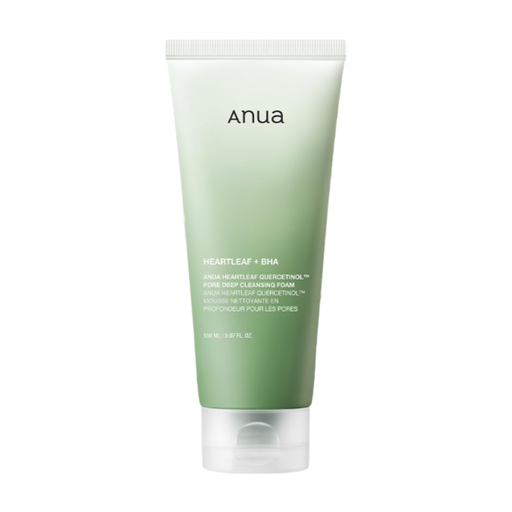
Why it suits this profile: The product description is aimed at oily, sensitive and blemish-prone skin, and mentions a foaming cleanser with salicylic acid.
The INCI list and product details make it clear that salicylic acid is included. If you have sensitive skin, introduce it gradually and check how your skin tolerates it.
150 ml size; the stated ingredients include heartleaf extract, panthenol, several forms of hyaluronic acid and salicylic acid.
We’ve put together a complete, regularly updated list of products that meet these strict selection criteria and the safety regulations in force in the EU.
Start with a small amount and see how your skin feels after rinsing. A fresh feeling that lasts briefly is normal; persistent stinging, itching, marked redness or pronounced dryness are signs that you shouldn’t continue using the product. Avoid introducing new products at the same time as several other products containing active ingredients, so you can more easily identify any reactions.
If you have persistent skin problems or recurring irritation, it may be helpful to seek advice from a dermatologist. A cosmetic cleanser is not a substitute for medical treatment.
Many products are designed for use in the morning and evening. If you have dry or sensitive skin, using it once a day or cleansing only in the evening may feel more comfortable. The right approach depends on how your skin feels, the product formula and the rest of your skincare routine.
Depending on the formula, it may remove light make-up. Waterproof eye make-up and long-wearing products often need a separate make-up remover. Don’t rub harder to try to make the cleanser work better; use a two-step cleanse if needed.
Check the best-before date or open-jar symbol on the packaging, along with the batch number. Close the tube or pump dispenser after every use, and store the product somewhere cool and dry, away from direct sunlight.