
Lieferung heute & morgen

Qualitätsgarantie

Willkommens-Angebote freischalten: KOSTENLOSE Lieferung | Bis zu 80 % RABATT | Kostenlose 30-Tage-JoyPlus-Testphase
App herunterladen
Facial cleansing foam can make your daily skincare routine simpler. Its texture spreads easily with water and removes dirt, excess sebum and traces of skincare and sun protection products. However, not every facial cleansing foam is right for every skin type. Three common marketing traps can often lead to the wrong purchase.
Terms such as deep pore cleansing, “detox” or “anti-blackhead” may sound convincing, but they don’t automatically mean the formula is gentle on your skin. Clay, activated charcoal, acids and physical exfoliating particles may suit certain skin concerns. However, with daily use, a product that strips away too much oil can leave sensitive skin feeling tight.
What matters is the balance between cleansing power, frequency of use and how well your skin tolerates the product – not just the marketing claim on the front of the pack.
A rich foam can reduce direct friction between your hands and face. However, the amount of foam tells you little about the surfactants used or whether the product is suitable for dry skin. So check the full INCI list and follow the manufacturer’s directions for use.
A Korean or Japanese facial cleanser may contain fragrance, essential oils or numerous plant extracts. That’s not necessarily a problem, but it’s worth bearing in mind if your skin is sensitive or prone to reactions. When trying a new product, it’s a good idea to test it on a small area of skin first. Stop using it if redness, stinging or itching persists.
For a cleansing foam for sensitive skin, look for mild surfactants and use the product sparingly. Amino acid-based or amphoteric surfactants are often used in gentle formulas. For dry skin, ingredients such as glycerin, hyaluronic acid, ceramides and other humectants may also be worth considering. However, a hydrating facial cleanser is no substitute for moisturiser afterwards.
Clay, activated charcoal or salicylic acid may feature in products for oily or blackhead-prone skin. Don’t assume these ingredients automatically make a product more effective. Check how often it’s recommended for use and whether your skin feels particularly tight after rinsing.
Foam from a pump dispenser is ready to use. Creamy products in tubes usually need to be lathered with water first. Compare the pack sizes, as 100 g, 120 g, 150 ml and 230 ml are not directly comparable. A larger pack may be more economical if you use the product frequently; if you’re buying it for the first time, a smaller size makes it easier to see how well your skin tolerates it.
Use lukewarm rather than hot water, and massage the foam in without applying too much pressure. Rinse thoroughly to remove any residue. In areas with hard tap water, gently patting your face dry with a soft towel may feel more comfortable. Avoid rubbing your face dry.
If you wear make-up or waterproof sun protection, one facial cleanser may not be enough. You could try a two-step cleanse, using a suitable oil or balm cleanser first, followed by foam. This isn’t essential for every skin type or every occasion.
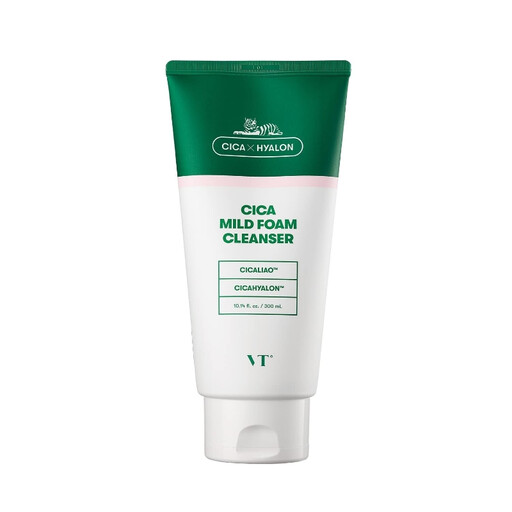
Why this product suits this profile: The 300 ml pack is a good choice if you use facial cleanser regularly and prefer a larger size. The product details list Centella asiatica extract and a creamy foam texture.
The choice is based on more than how much foam it produces: it also takes pack size, usage and the stated suitability for sensitive skin into account.
300 ml; Centella asiatica extract according to the product details; use with lukewarm water.
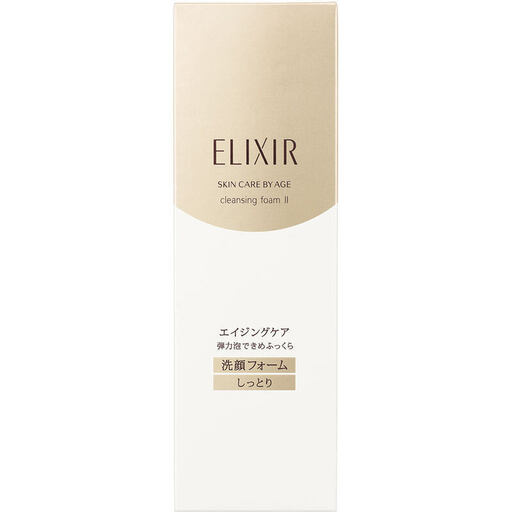
Why this product suits this profile: Its creamy, dense foam texture and the version labelled “Moist” may appeal if you’re looking for a facial cleanser for dry skin that leaves it feeling less dry after cleansing.
The product description highlights a moisturising formula without claiming to have a therapeutic effect or permanently change your skin.
140 g; collagen and elastin ingredients according to the INCI details; made in Japan according to the product description.
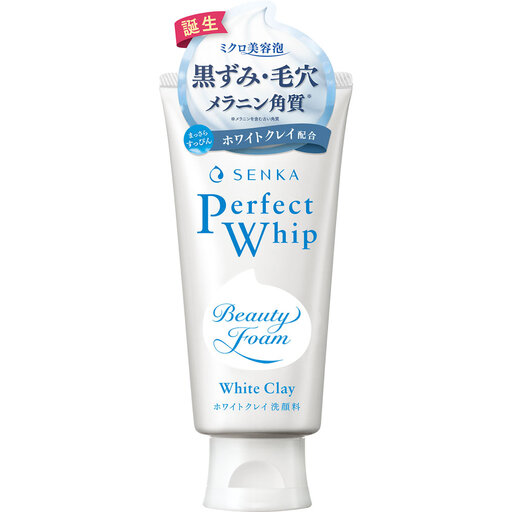
Why this product suits this profile: A formula with clay and activated charcoal may be worth considering if you have an oily T-zone or visible blemishes, provided your skin tolerates it.
The ingredients list identifies clay, activated charcoal, fragrance and humectants, helping you choose a product that’s better suited to your skin’s individual needs.
120 g; white clay and activated charcoal according to the INCI list; lather before use.
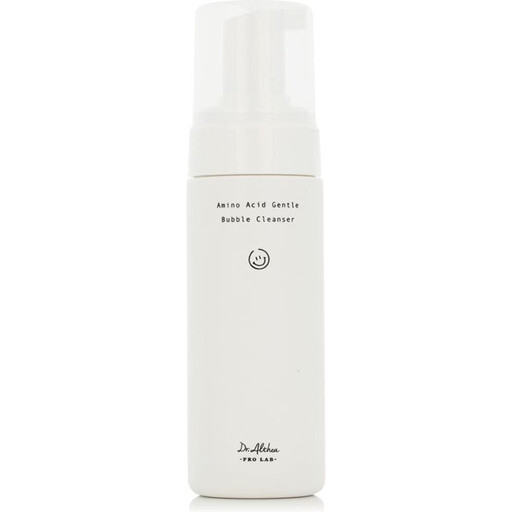
Why this product suits this profile: The product details list a water-based formula with 17 amino acids and humectants. It may therefore appeal if you look for gentle ingredients in your daily cleanser.
It’s still worth checking the INCI list before buying, as the product details say it may change and list citrus and fragrance ingredients.
140 ml; amino acids, glycerin and Ceramide NP according to the ingredients list; foam dispenser for daily use.
We’ve put together a comprehensive, regularly updated list of products that meet these strict selection criteria and fully comply with the safety regulations in force in the EU.
If you have dry skin, cleansing in the evening is often enough; in the morning, rinsing with plain water may do. Whether cleansing twice a day is right for you depends on your skin type, how much you sweat, and whether you wear sun protection or make-up.
Yes, as long as the formula is gentle and doesn’t leave your skin feeling tight for a prolonged period after washing. Look for humectants, and if your skin is very dry, avoid cleansing too often or massaging for too long.
A facial cleanser can remove sebum and surface residue. If you’re using a product with clay, activated charcoal or salicylic acid, follow the directions and check how well your skin tolerates it. A cleanser cannot guarantee that blackheads will be permanently eliminated.
Check the printed best-before or expiry date, as well as the guidance on how long the product will keep after opening. Close the pack, store it in a dry place and keep it out of direct sunlight. Stop using the product if its smell, appearance or feel on your skin changes.