
Lieferung heute & morgen

Qualitätsgarantie

Willkommens-Angebote freischalten: KOSTENLOSE Lieferung | Bis zu 80 % RABATT | Kostenlose 30-Tage-JoyPlus-Testphase
App herunterladen
A facial cleansing foam can simplify your daily skincare routine: wet your face, distribute the foam, rinse. However, not every product is suitable for every skin type. An especially abundant lather, for example, says little about how gentle a cleanser’s formula really is. Claims such as “deep pore cleansing” or “hydrating care” should also be assessed by reviewing the ingredient list and usage instructions.
The following selection by the Joybuy Product Recommendation Officer is therefore based on transparent criteria: surfactants, stated pH value, added fragrances or exfoliating ingredients, skin type, pack size, and manufacturer information.
A rich facial cleansing foam feels pleasant and can reduce friction during washing. However, the amount of foam depends on the surfactants used and how much water is added. What matters is whether the formula leaves the skin feeling tight or dry after rinsing. For sensitive or dry skin, a strongly degreasing facial cleanser may be unsuitable, even if it produces an especially creamy lather.
Pores cannot be permanently closed or removed with a facial cleanser. Products containing clay, BHA, or strongly degreasing surfactants can help dissolve surface residue and excess sebum. This may leave the skin looking cleaner in the short term. With daily use, however, exfoliating or intensely cleansing ingredients can cause dryness, particularly on sensitive skin.
A low-pH facial cleanser is often mildly acidic. Some products, for example, state a pH value of 5.5. This is an objective formulation parameter, but it does not replace a review of the complete INCI list. Fragrances, essential oils, BHA, or certain plant extracts may be problematic for some individuals regardless of the product’s pH.
The INCI list shows which cleansing agents are used. Examples found in the products provided include Sodium Cocoyl Isethionate, Sodium Cocoyl Glutamate, Coco-Betaine, and Decyl Glucoside. However, no single ingredient is enough to provide a complete assessment of skin compatibility.
Anyone who reacts to fragrance should look out for terms such as Parfum, essential oils, or fragrance allergens that must be declared. According to the product information, Dr. Althea Amino Acid Gentle Bubble Cleanser contains orange oil and the fragrance allergen Limonene. Kuramoto Bijin Hakukoji Cleansing Foam is described as containing citrus oils.
A stated pH value of 5.5 can be found, for example, with Low-pH Good Morning Cleanser and Etude House SoonJung Cleanser. When buying, you should also check:
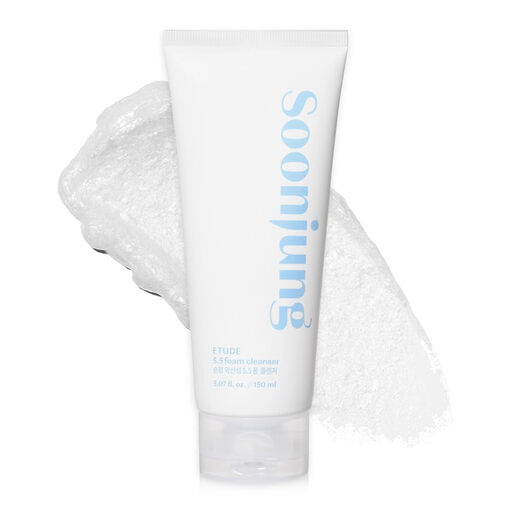
Why is it a good fit? Its stated pH of 5.5 and 150 ml size make it a straightforward option for daily facial cleansing.
The selection is not based solely on the amount of foam; it also takes the stated pH value and information about fragrance and colourants into account.
150 ml; pH 5.5 according to the product description; panthenol and madecassoside listed in the INCI.
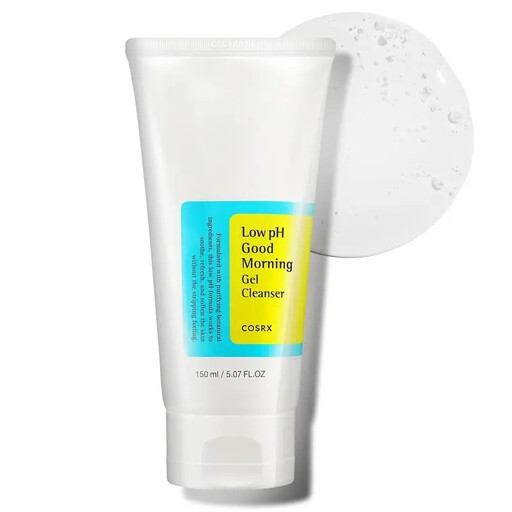
Why is it a good fit? This Korean facial cleanser combines a mildly acidic formula with a gel texture and foaming action. It appeals to users who choose their routine based on pH value and the INCI list.
Tea tree oil and betaine salicylate are clearly listed. This allows people with sensitive skin to check the formula against their own tolerance before buying.
150 ml; mildly acidic formula according to the product description; contains betaine salicylate and tea tree oil.
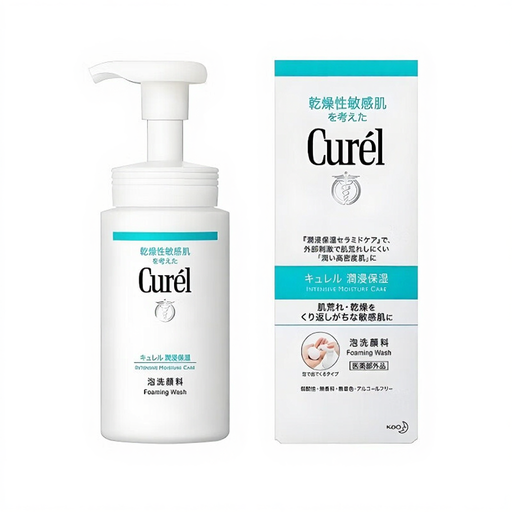
Why is it a good fit? The product description highlights a fine, dense foam, gentle cleansing, and a formula designed for sensitive skin.
The selection is based on the stated cleansing agents and humectants, rather than solely on marketing claims about a “deep pore cleansing” effect.
150 ml; glycerin and maltitol in the ingredient list; Sodium Cocoyl Glutamate and Sodium Lauroyl Aspartate as cleansing agents.
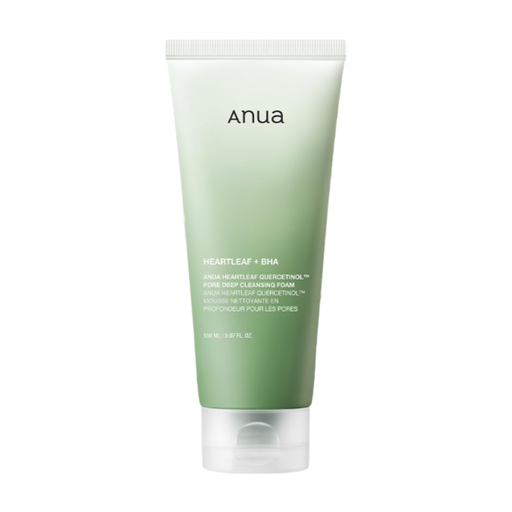
Why is it a good fit? For oily or blemish-prone skin, the stated combination of heartleaf extract, salicylic acid, and several forms of hyaluronic acid may be particularly appealing.
The exfoliating ingredients are clearly disclosed. Anyone already using other acid-based products can plan their total daily exposure more effectively.
150 ml; salicylic acid and capryloyl salicylic acid in the INCI list; several hyaluronic acid derivatives listed.
A small amount is usually sufficient. Wet the face with lukewarm water, work the facial cleanser into a lather between wet hands, and spread the foam without applying strong pressure. A brief cleanse is enough; massaging for longer does not automatically improve the result. Rinse thoroughly afterwards and pat the skin dry.
If a product contains BHA, salicylic acid, essential oils, or fragrance, first test it on a limited area of skin. Stop using it if redness, burning, itching, or other reactions occur. Do not use products on damaged or severely irritated skin, and avoid the eye area.
The full category features a regularly updated selection of facial cleansing foams for different skin types and skincare needs.
That depends on your individual skin response and the formulation. A gentle facial cleanser with a low-irritation surfactant system and no added fragrance may be a suitable option. Even so, new products should be introduced gradually.
When using a small amount per application, a 150 ml bottle may last for several weeks. The actual usage period depends on how often it is used, the amount dispensed, and the foam texture. Information on the period after opening can be found on the packaging.
Depending on the formula, it may remove light make-up residue. For waterproof make-up or sunscreen, an oil or balm cleanse beforehand may be useful. The facial cleansing foam can then be used without rubbing vigorously.