
Lieferung heute & morgen

Qualitätsgarantie

Willkommens-Angebote freischalten: KOSTENLOSE Lieferung | Bis zu 80 % RABATT | Kostenlose 30-Tage-JoyPlus-Testphase
App herunterladen
A facial cleansing foam should remove dirt, excess sebum and traces of your daily skincare routine without leaving your skin feeling uncomfortably tight. However, a low price or particularly dense foam does not automatically mean a cleanser is right for you. Your skin type, cleansing base, ingredients and intended use are what really matter.
This buying guide from the Joybuy Product Recommendation Officer explains what women and men in Germany should look for when choosing a facial cleanser and which products may suit different usage profiles.
A facial cleanser that foams heavily or leaves your skin feeling very dry may remove more than just sebum and dirt — it can also put stress on the skin’s surface. Particularly if you have dry or sensitive skin, cleansing too frequently or too intensively can feel uncomfortable.
Activated charcoal, clay, exfoliating particles and BHA are often associated with pore cleansing. Depending on the formulation, these ingredients may be worth considering for oily or blemish-prone skin. However, they are not a reason to scrub your skin vigorously or leave the product on for longer than instructed.
Oily skin does not necessarily need an aggressive facial cleanser. Similarly, a product designed for dry skin may feel too rich if your skin produces a lot of sebum. Pay attention to how your skin feels after washing and again a few hours later:
Product descriptions may use terms such as ‘gentle’, ‘deep-pore cleansing’ or ‘suitable for all skin types’. However, whether a product is suitable depends on the entire formulation. Ingredient lists can change. Before buying, always check the current INCI list on the product packaging and pay attention to information about origin, net contents, shelf life and use.
A mild, slightly acidic pH is often described as being close to the skin’s natural pH. According to the product description, AXIS-Y Sunday Morning Refreshing Cleansing Foam has a pH value of 5.5. It contains glycerine and various plant extracts, among other ingredients. This type of formulation may appeal to people who quickly notice tightness after washing.
However, pH alone does not determine how well a product is tolerated. Surfactants, fragrances, essential oils and how often you wash your face also play a role.
Surfactants dissolve dirt and sebum so they can be rinsed away with water. Mild surfactant combinations can be found in products containing Cocamidopropyl Betaine, Coco-Glucoside, Sodium Cocoyl Isethionate or amino acid surfactants. Glycerine, panthenol and hyaluronic acid are often used as moisture-binding ingredients.
A facial cleansing foam containing many nourishing ingredients does not replace your subsequent skincare routine. After patting your skin dry, applying a suitable moisturiser can help restore a comfortable skin feel.
Daily facial cleansing should be brief and carried out without applying strong pressure. In most cases, the following is sufficient:
Very hot water, brushes and vigorous rubbing can put additional stress on your skin. If you are wearing waterproof sun protection or make-up, you may need to use a suitable first cleansing step before applying the cleansing foam.
The following recommendations assign products to specific profiles. The selection is based on the stated product characteristics, not on a medical assessment.
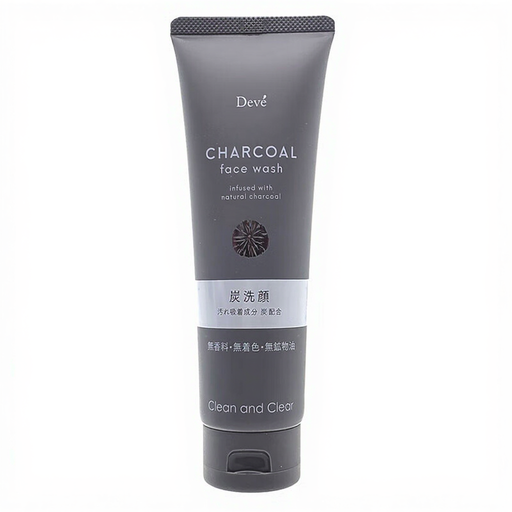
Why this product suits this profile: The 170-g size is suitable for users who want to try a classic activated-charcoal cleansing foam for their daily facial cleansing routine.
The product description mentions activated charcoal and glycerine. Nevertheless, pay attention to how your skin feels and reduce how often you use it if your skin feels tight after cleansing.
Generous quantity, rich foaming texture and activated charcoal as a stated ingredient.
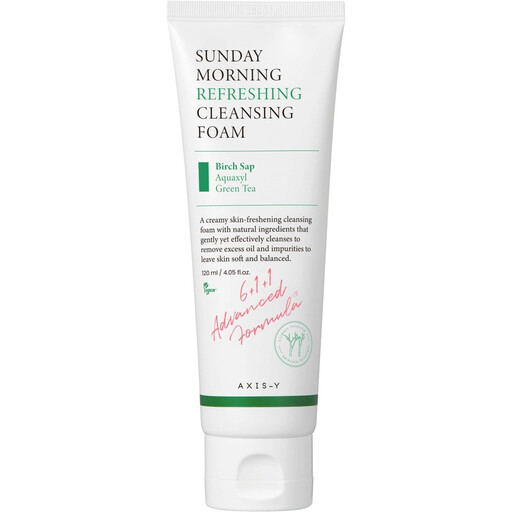
Why this product suits this profile: The stated pH value of 5.5 and creamy foam texture will appeal to buyers looking for gentle cleansing without a pronounced tight feeling.
According to the product description, the formulation is designed around a low pH and moisture retention. A patch test remains advisable for sensitive skin.
pH value of 5.5, glycerine, Sodium Hyaluronate and a foam texture designed for daily use.
We have put together a complete, regularly updated list of products that fully meet these strict selection criteria and the safety regulations applicable in the EU.
For many people, using a facial cleanser in the morning and evening is sufficient. If you have dry or sensitive skin, cleansing just once in the evening may feel more comfortable. Your skin’s condition, the product instructions and the rest of your skincare routine are the key factors.
The specific best-before date, batch number and, where applicable, the period after opening are stated on the packaging. Close the tube or pump bottle after every use and store it in a dry place away from direct sunlight. If the colour, smell or texture changes, stop using the product.
Not necessarily. Depending on the formulation, a facial cleansing gel may spread easily and suit normal, oily or combination skin. Facial cleansing foam is often preferred for its airy texture. The key considerations are the ingredients, your skin type and how your skin feels after rinsing. If you have persistent skin problems, a cosmetic facial cleanser is not a substitute for dermatological advice.