
Lieferung heute & morgen

Qualitätsgarantie

Willkommens-Angebote freischalten: KOSTENLOSE Lieferung | Bis zu 80 % RABATT | Kostenlose 30-Tage-JoyPlus-Testphase
App herunterladen
A facial cleansing gel should remove make-up, sun protection, sebum and dirt without leaving your skin feeling dry or tight afterwards. The choice ranges from Korean formulations and micellar gels to products for sensitive or blemish-prone skin. However, marketing claims such as “deep-cleansing”, “gentle” or “moisturising” do not always make it clear whether a facial cleansing gel is genuinely suitable for your individual needs in everyday use.
Even a mild cleansing gel may contain fragrances, essential oils or fragrance allergens that must be declared. If you are prone to sensitive skin, you should therefore check the full INCI list rather than relying solely on the front of the packaging. A product advertised as “natural” may still contain ingredients that do not suit you personally.
A facial cleanser only remains on the skin for a short time. Ingredients such as glycerine, betaine or hyaluronic acid can complement the formula, but they do not replace subsequent skincare. A moisturising cleansing gel may feel comfortable after rinsing; this does not imply a therapeutic or medical effect.
Light make-up and sun protection can be removed with many cleansing gels. Waterproof mascara, long-lasting lipstick or highly pigmented foundation, on the other hand, often require a special eye make-up remover or a first cleansing step. A product described as a make-up remover gel will not necessarily remove waterproof eye make-up completely.
Surfactants determine how a facial cleanser dissolves dirt and sebum. Amino-acid-based or particularly mild surfactant systems are often used in gentle formulations. For products containing AHAs, consider the type and concentration. For example, Haruharu Wonder Black Rice Triple AHA Gentle Cleansing Gel lists citric, tartaric and mandelic acids at 500 ppm each. This is a specific product detail, but not a promise of a particular change to the skin.
Fragrances such as parfum, limonene, linalool or essential oils may be relevant for some people. If you have sensitive skin or known intolerances, it is worth comparing the ingredients with the information on the current packaging.
A classic cleansing gel is usually spread over damp skin, lathered or massaged in, and rinsed off with water. Cleansing gels with a gel-to-milk texture, however, can be used on dry skin. Micellar gels and low-irritant lotions are sometimes designed for use without water.
The fill size also affects your choice:
Also check the instructions regarding the eye area, contact lenses, damaged skin and the best-before or batch information on the packaging.
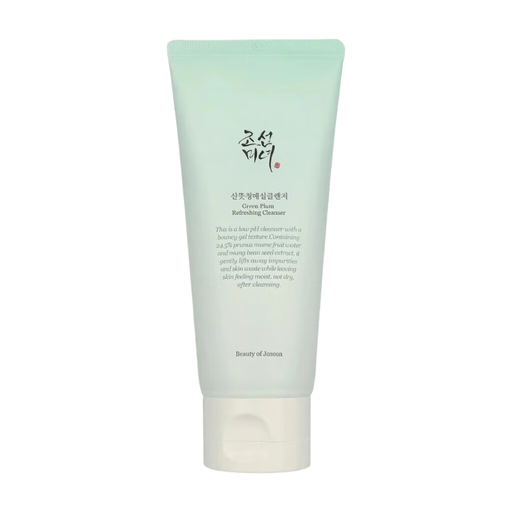
Why this product suits the profile: The 100 ml size and gel texture make it suitable for straightforward daily facial cleansing. The product description states that it contains 24% plum water and 3% mung bean extract.
The information specifies a mildly acidic formula and gives concrete ingredient details instead of relying solely on general marketing claims.
Mildly acidic formula; ingredient list containing glycerine and botanical extracts.
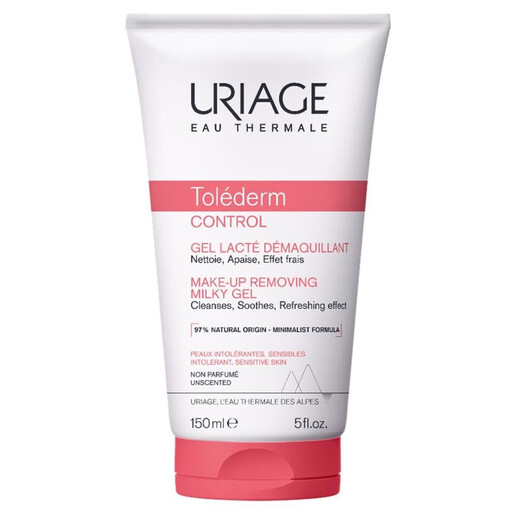
Why this product suits the profile: According to the product description, the fragrance-free gel-milk is intended for sensitive and intolerant skin and can be used without rinsing.
The product description explicitly states “fragrance-free” and says it can be used on the face and eyes; however, the current packaging should remain the decisive source of information.
150 ml contents; according to the supplier, 97% of the ingredients are of natural origin.
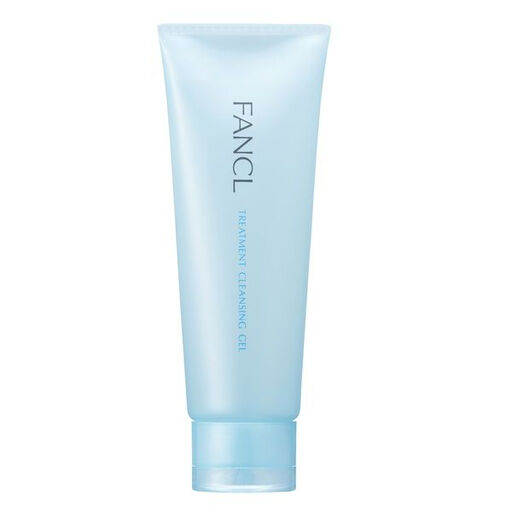
Why this product suits the profile: The product is described as a make-up remover gel for use with damp hands and in the shower. It contains ingredients including glycerine and sodium hyaluronate.
The usage instructions distinguish between normal and waterproof make-up and recommend a suitable cleansing routine for long-wearing products.
120 g contents; according to the product information, suitable for use on damp skin and with eyelash extensions fitted using standard adhesive.
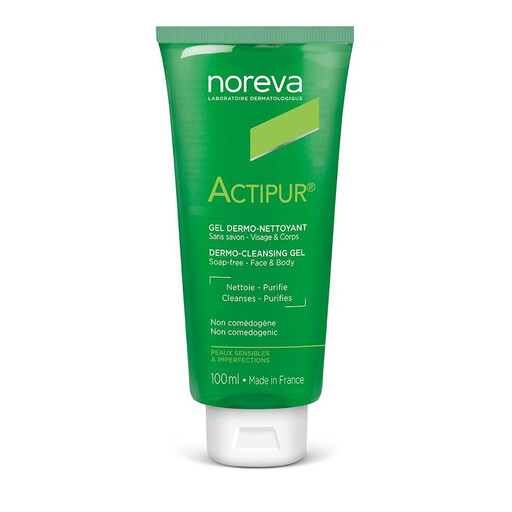
Why this product suits the profile: The product description is aimed at oily, blemish-prone skin and mentions a soap-free, AHA-free gel formula for the face and body.
Its suitability is described in terms of skin type, soap-free formulation and specific usage instructions, rather than a blanket claim that it suits every skin type.
100 ml contents; according to the product information, suitable for use on damp skin morning and evening.
We have put together a complete, regularly updated list of products that fully meet these strict selection criteria and the safety regulations applicable in the EU.
According to the manufacturer, many cleansing gel formulas are intended for daily use in the morning and evening. Whether this frequency suits you depends on your skin type, make-up, sun protection and how your skin feels. If you have dry or sensitive skin, cleansing less frequently may be more comfortable.
The relevant information is the printed expiry date, batch number and, where applicable, the symbol indicating the period after opening. Close the packaging after each use and store it in a cool, dry place away from direct sunlight. If the colour, smell or consistency changes, stop using the product.
That depends on the individual formula. Some products are intended for light make-up or UV products, while specialist eye and lip cleansers are also designed to tackle waterproof textures. Check the product description and avoid rubbing the delicate eye area.