
Lieferung heute & morgen

Qualitätsgarantie

Willkommens-Angebote freischalten: KOSTENLOSE Lieferung | Bis zu 80 % RABATT | Kostenlose 30-Tage-JoyPlus-Testphase
App herunterladen
A facial cleansing milk should dissolve make-up, sun protection, sebum and everyday residue without putting your skin under unnecessary strain. In practice, though, choosing the right one is not always straightforward. Creamy textures and claims such as ‘gentle’ or ‘plant-based’ don’t, on their own, tell you whether a product suits your needs.
A facial cleansing lotion can feel soft and comfortable while still containing fragrance or certain plant extracts that sensitive skin may not tolerate well. Strongly degreasing surfactants are not always the right choice for dry or mature skin, either. That’s why the full INCI list on the packaging is more important than claims on the front.
Many products dissolve light make-up and everyday impurities. However, waterproof mascara, long-wear lipstick or highly resistant sun protection may need a more intensive formula. If you regularly wear waterproof make-up, look specifically for a make-up remover for waterproof make-up and follow the directions for use around the eyes and lips.
A cleansing milk may be enough on its own if you’ve worn little make-up and no highly resistant sun protection. After a long day, or if you’ve applied several layers of skincare and make-up, double cleansing may be useful: first, a milky or oil-based cleanser dissolves oil-soluble residue; then a water-based cleanser removes any remaining particles. The second step shouldn’t be harsh or take longer than necessary.
For sensitive skin, short, easy-to-read INCI lists and as little fragrance as possible are practical things to look for. Glycerin, plant oils, panthenol and other nourishing ingredients may be worth considering if you have dry skin. However, this doesn’t automatically mean a formula will be better tolerated. Your skin’s individual response is what matters.
If you have combination or oily skin, the texture shouldn’t feel heavy on your skin for too long. A lighter cleanser with micellar technology may feel more comfortable. If you know your skin is sensitive, pay particular attention to ingredients such as parfum, fragrant essential oils and certain preservatives.
Check whether the product should be applied to dry or damp skin, whether it needs to be rinsed off and whether it’s suitable for the eyes and lips. A make-up remover with an emulsion or milky texture is usually massaged in gently, then removed with lukewarm water or a cotton pad.
When removing waterproof make-up, keep the application and massage time short. Rubbing the eye area hard can feel uncomfortable. If the manufacturer advises removing contact lenses before use, make sure you do so.
For daily facial cleansing, 150 to 250 ml is often a practical size. Larger bottles, such as 400 or 500 ml, may offer better value if you use the product frequently or want to cleanse both face and body. If you only use a product occasionally, a smaller pack makes sense so you can use it up within the recommended period after opening.
Also check the batch number, best-before date or PAO symbol, and the current ingredients list on the product packaging. Formulas can change.
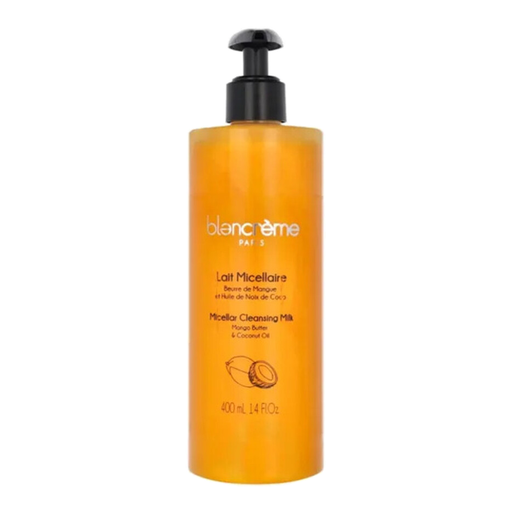
Why this product suits this profile: The large pack is a good fit if you want to use a facial cleansing lotion morning and evening. According to the product description, the formula is intended for combination to oily skin and combines micellar technology with cucumber and lemon extracts.
The product description clearly states who it’s intended for. Fragrance and colourants are listed in the INCI, so check these before buying if you have sensitive skin.
400 ml; apply to dry skin or use with a cotton pad; according to the description, it can be rinsed off with water.
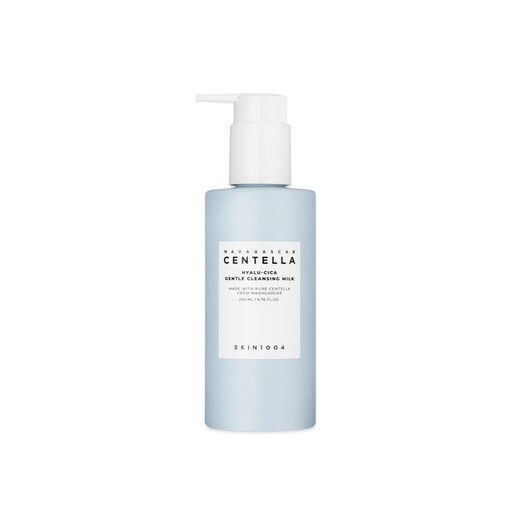
Why this product suits this profile: According to the product information, the formula is suitable for all skin types, including dry and sensitive skin. It removes make-up, SPF and everyday residue, and fits into a structured evening routine.
The product description explains what it’s for and which skin types it’s recommended for. Even so, check the INCI list against the current packaging.
200 ml; the stated ingredients list includes Centella Asiatica extract, glycerin, panthenol and Ceramide NP.
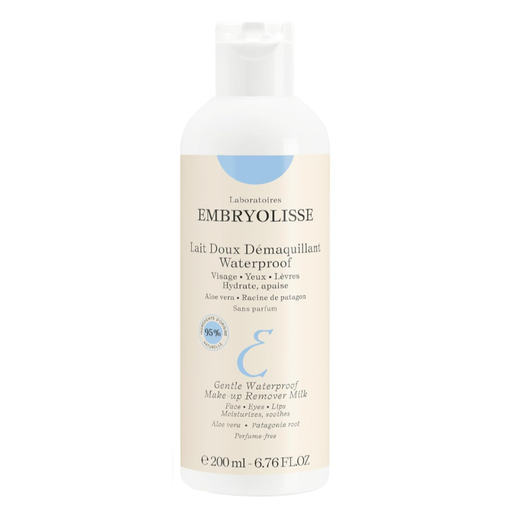
Why this product suits this profile: According to the description, this product is suitable for the face, eyes and lips, and is designed for waterproof make-up. It’s a good option if you regularly want to remove long-wear cosmetics.
The specific mention of waterproof make-up helps you avoid buying a general cleanser for a particular job. Even so, take care to clean the eye area without rubbing hard.
200 ml; the ingredients list includes shea butter, beeswax, jojoba esters and aloe vera extract.
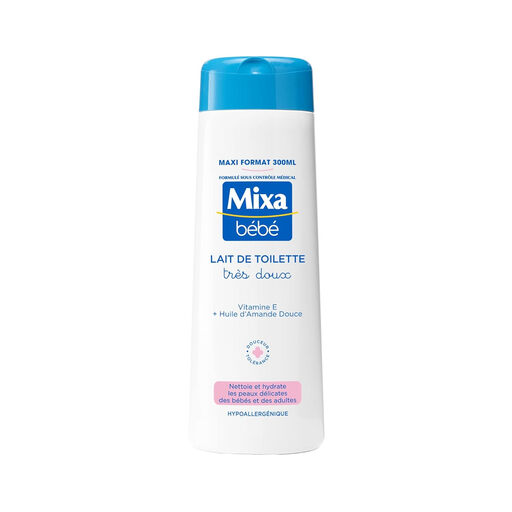
Why this product suits this profile: According to the product description, this cleanser is intended for babies from the stated age and for sensitive skin. Its no-rinse formula may be handy for daily care of the body, face or nappy area.
The product type and intended use are clearly stated. For babies, parents should carefully check the age recommendation, current ingredients list and directions for use.
300 ml; according to the description, it can be used without rinsing; the stated INCI list includes glycerin, sweet almond oil and vitamin E.
We’ve put together a complete, regularly updated list of products that meet these strict selection criteria and fully comply with the safety regulations in force in the EU.
A cleansing milk for dry skin may be a good option if the formula isn’t strongly degreasing and doesn’t leave your skin feeling noticeably tight after use. Look for nourishing ingredients such as glycerin or oils, and check carefully for fragrance if your skin is sensitive.
Depending on the product, cleansing milk can often remove light make-up and everyday sun protection. For waterproof make-up, choose a remover specifically designed for it. If you’re wearing several layers, you may need to follow with a second cleansing step.
Follow the PAO symbol and information on the packaging. This often gives the recommended period for using the product after opening. Store it as directed by the manufacturer, close it after each use and replace it if its smell, appearance or feel on your skin changes.