
Lieferung heute & morgen

Qualitätsgarantie

Willkommens-Angebote freischalten: KOSTENLOSE Lieferung | Bis zu 80 % RABATT | Kostenlose 30-Tage-JoyPlus-Testphase
App herunterladen
A facial cleansing milk should remove make-up, sunscreen, sebum and everyday dirt without leaving your skin feeling uncomfortably tight. But a creamy texture alone tells you little about whether a product is right for you. If you choose based only on fragrance, packaging or marketing claims, you may end up with a product that doesn’t suit your skin or your cleansing routine.
Many products are described as gentle or soothing. What matters, however, is the full INCI list. Fragrance and fragrance allergens that must be declared can also be found in cleansing milk for sensitive skin. These include limonene, linalool, geraniol and citronellal, for example.
If your skin is sensitive or prone to redness, it’s worth checking the ingredients. The list doesn’t necessarily have to be as short as possible, but you should take any ingredients you know you react to into account.
Facial cleansing milk will often remove light foundation and everyday dirt. However, waterproof eye make-up, long-wear sunscreen or tenacious cosmetics may call for a more thorough routine. Check whether the product information says it’s suitable for make-up or waterproof make-up.
Oils, butters and moisturising ingredients can affect how your skin feels. But if you have combination or oily skin, a rich cleansing milk may feel too heavy. Conversely, a cleanser that lathers heavily can leave dry skin feeling uncomfortably tight. Your skin type, the texture and how the product rinses off matter more than individual trend terms such as “Clean Beauty” or “Skinimalism”.
For dry or mature skin, milky, creamy textures containing glycerine, plant oils or nourishing lipids are often a good choice. If you have sensitive skin, check carefully for fragrance and any known allergens. If your skin is normal, you may have a wider choice.
A cleansing milk for dry skin shouldn’t leave your skin feeling very tight after use. With a cleansing milk for mature skin, a soft, non-drying feel may be a priority. These characteristics describe the cosmetic experience and are not a promise of medical efficacy.
Check whether the supplier says the product is suitable for:
Double cleansing starts with an oil- or milk-based cleanser. You can then follow with a water-based cleanser. This method isn’t necessary every day for everyone. If you use only a small amount of make-up and sunscreen, one suitable product may be all you need.
The size of the product affects the cost per use. The options in this selection typically range from 150 to 470 ml. A larger bottle isn’t automatically better value if the texture encourages you to use more, or to use it more often.
A pump dispenser can make it easier to control the amount you use and reduce contact with the product. Also read the instructions on the packaging. If the product gets into your eyes, or you experience irritation or redness, stop using it as directed by the manufacturer and rinse the affected area with water.
The recommendations below group products according to specific needs. Information about ingredients, use and skin type is based on the product details provided. Always refer to the current packaging for the definitive INCI list.
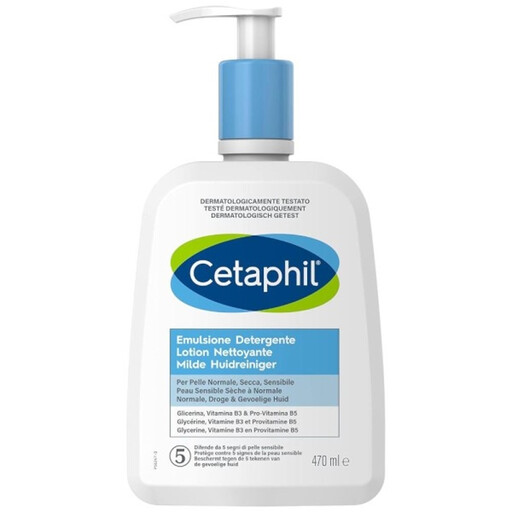
Why this product suits this profile: The 470 ml size is a good choice if you’re looking for a simple, gentle facial cleanser to use regularly in the morning and evening.
Its straightforward formulation and clear instructions mean you don’t have to rely on hard-to-interpret marketing claims.
470 ml; according to the product information, contains glycerine, panthenol and niacinamide.
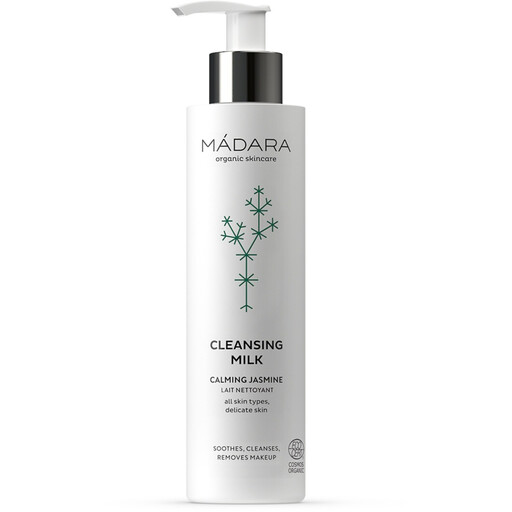
Why this product suits this profile: Its milky texture and focus on sensitive, dry and mature skin make it a good fit for a comfort-focused daily cleansing routine.
The product description specifically states that it’s suitable for make-up, including waterproof make-up, and for daily use.
200 ml; according to the product information, contains jasmine extract and natural oils; vegan and cruelty-free.
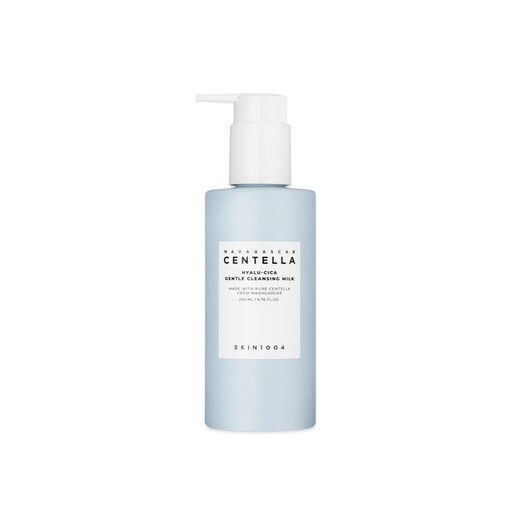
Why this product suits this profile: This product is designed to remove make-up, SPF and everyday residue, and can be used as the first step in a routine.
The instructions specifically say to apply it to dry or damp skin and rinse thoroughly with lukewarm water.
200 ml; according to the product information, contains Centella asiatica extract, panthenol, hyaluronic acid and ceramide NP.
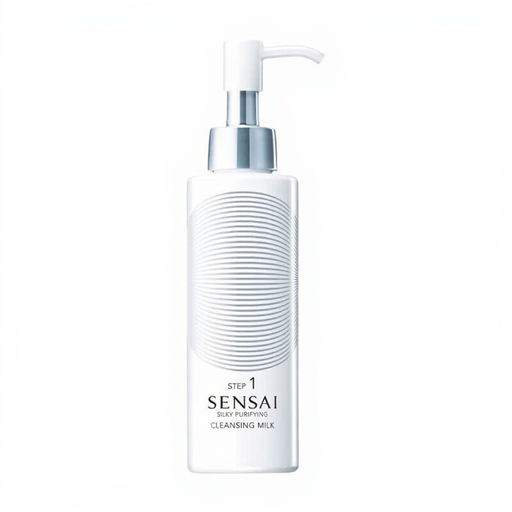
Why this product suits this profile: Its stated use as Step 1 makes it a good choice if you want to remove oil-based residue and make-up in the evening before using a second cleanser.
Its role as the first step in your cleansing routine is clearly stated, making it easier to understand how it fits into your routine.
150 ml; according to the product information, designed to remove oil-soluble residue such as make-up and excess sebum.
We’ve put together a complete, regularly updated list of products that meet these strict selection criteria and the safety regulations in force in the EU.
It depends on your skin and the formulation. Pay particular attention to fragrance and allergens that must be declared. If you know your skin is sensitive, it’s a good idea to test the product on a small area of skin first. Stop using it if irritation occurs.
Some products are designed to do this, according to their product information; others aren’t. For waterproof eye make-up, a make-up remover specifically designed for it may be a good choice. Don’t rub harder if any residue remains. Instead, consider adding a suitable cleansing step.
Check the printed best-before date or the symbol indicating how long the product lasts after opening. Keep the bottle closed and store it in a dry place, away from direct sunlight. If the smell, colour or consistency changes, stop using the product.